Springs · The Golden Mile
Garage Door Cable Replacement in The Golden Mile
The car bumper kissed the door on the way in.
In plain words
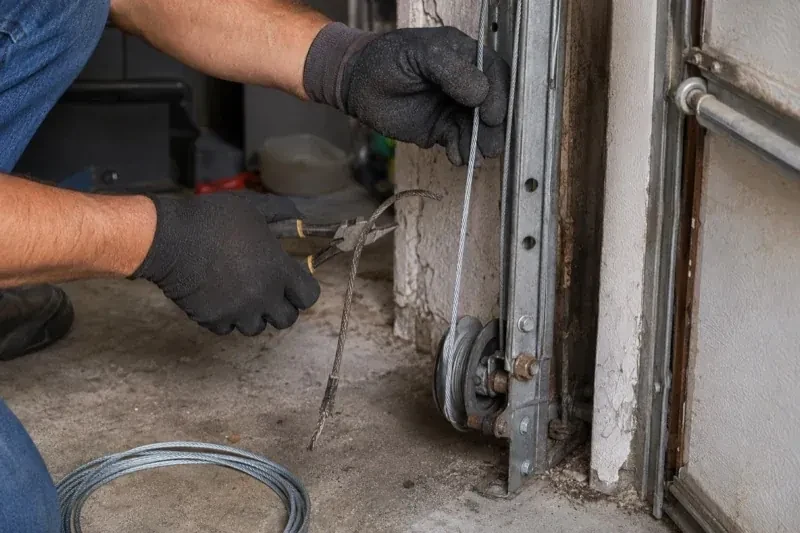
Cables are replaced as a pair, and there is a practical reason. Both went on the door together, have made the same number of trips and have sat in the same slush, so when one fails the other is close behind. A new cable beside a stretched one also pulls the door slightly out of level. Fitting two matched cables of the same length and construction lets the technician set the door dead level, tension both sides equally and leave a counterbalance that shares the work evenly for years. It also means one visit rather than two.
How the visit goesYour older door has springs along the tracks, and one cable has slipped off its pulley and dangles slack. The door lifts crooked and needs a shoulder to close, when it used to glide.
Garage Door Cable Replacement
How the visit goes
Springs and balance behind the cable
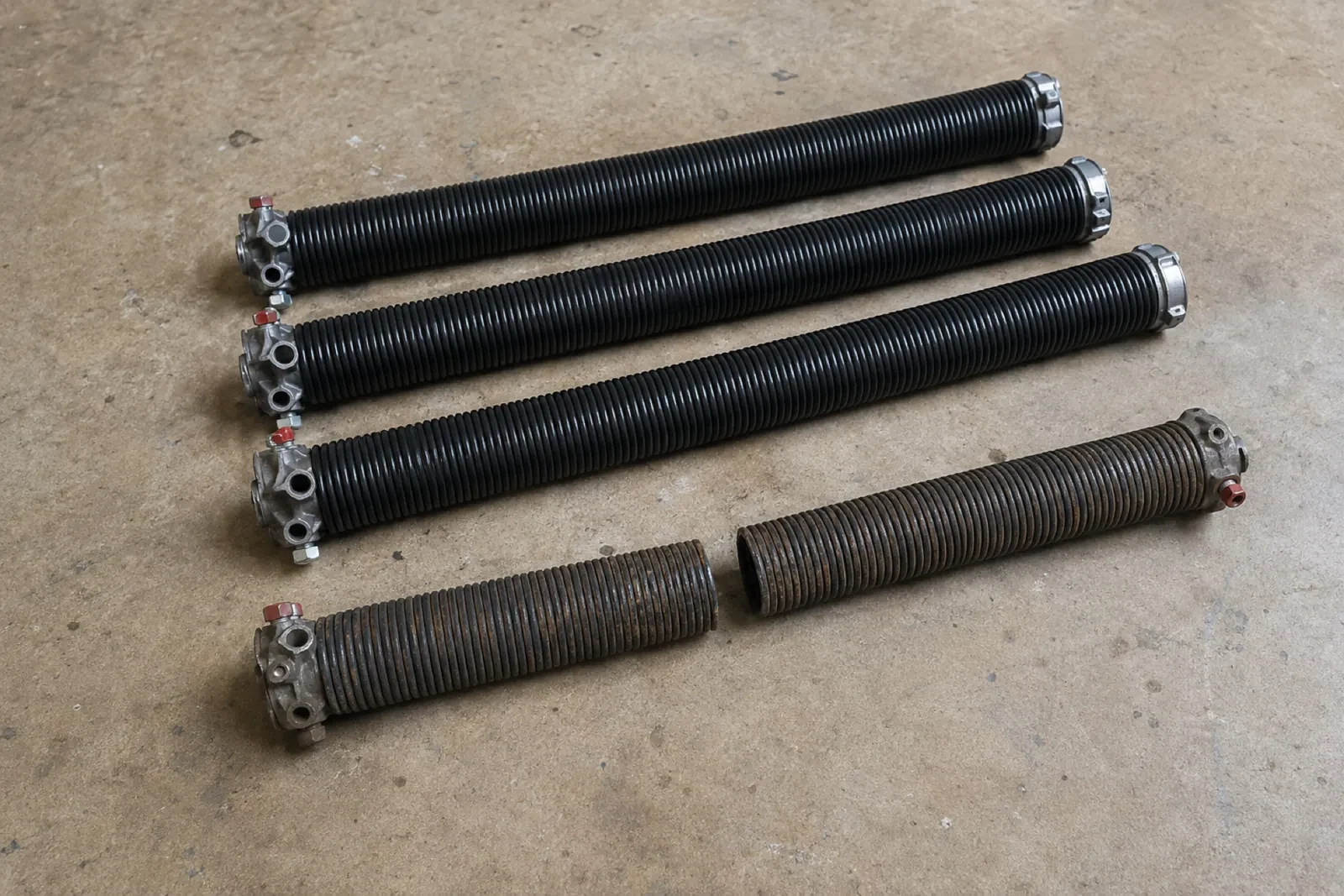
Cables only carry what the springs give them, so the springs are checked next. On a torsion system the technician looks for a gap in the coil that means a break, measures the wire and length to confirm the spring suits the door weight, and notes whether both springs on a double door match. On an extension door each spring is checked for stretch, a broken end or a missing containment cable through the middle. A weak or mismatched spring leaves one cable slack and the door heavy on one side, and if that is the story behind the cable, the spring work is explained and quoted alongside rather than left to surface later.
Setting the door level
Before any spring tension returns, both cables are brought to the same tension. The technician rotates each drum until the slack is gone and the cable is snug in its groove, then tightens the set screws onto the shaft, often onto a small flat so the drum cannot creep. A level on the top section confirms the door sits square in the opening, and the gap under the bottom seal is checked along its length. If one corner sits high, the drum on that side is eased and reset. This is the moment that decides whether the door will run straight for years, so it is not hurried.
Lubrication that helps, and where it does not belong
A few minutes with a can of garage-door lubricant twice a year keeps the whole system easy on the new cables. Spray the torsion spring lightly along its length, the hinge pins, the roller stems and bearings, and the bottom bracket pins, then run the door a few times to spread it. A light mist on the cables themselves slows rust; heavy grease is avoided because it holds grit and moisture. The tracks are left dry and simply wiped clean, since lubricant there collects dirt and lets rollers slide instead of roll. Silicone or a lithium spray made for doors is the right product.
Garage Door Cable Replacement
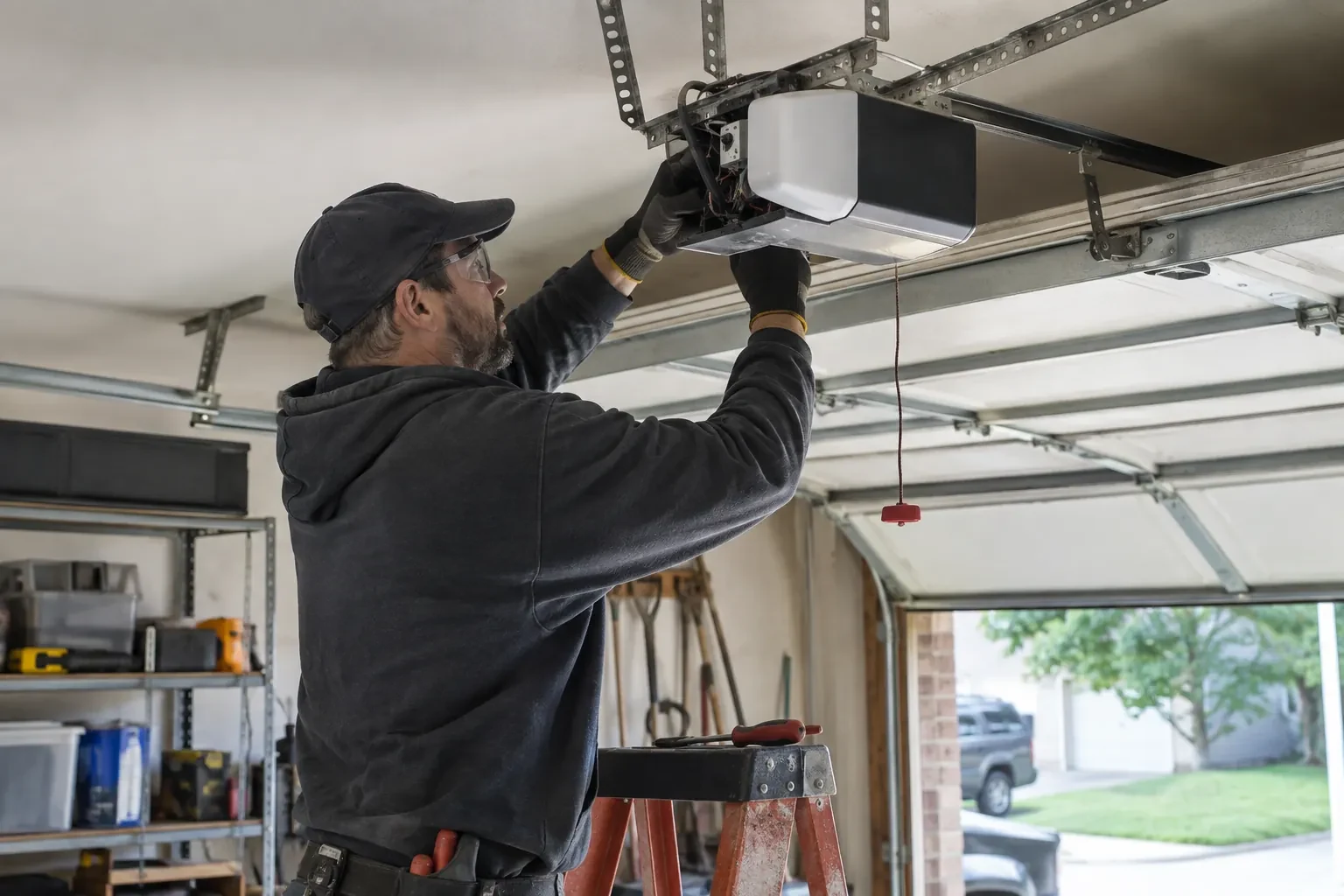
In the van
Silicone garage-door lubricant
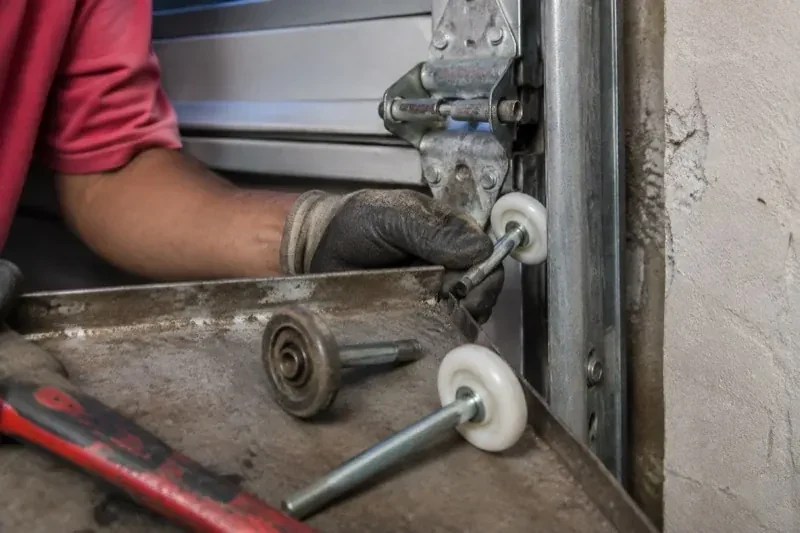
Bottom rollers and hinges
Galvanized aircraft-type lift cables
Bottom brackets with cable pin
Winding bars
Garage Door Cable Replacement
What affects the quote
Torsion or extension system
A torsion door with drums and an extension door with pulleys are different jobs with different parts, and the counterbalance type is the first thing that shapes the quote.
Condition of the bottom brackets
A bracket bent by a bumper or corroded by years of salt is replaced while the system is unloaded. New brackets, roller and fasteners are listed as their own line.
Springs found weak or broken
If the inspection shows a spring that is broken, stretched or wound short, replacing it is explained and priced separately from the cable work, and the two are done in one visit if you agree.
What to have ready
- Is there rust on the cables or brackets near the floor?
- Is the door closed, fully open, or stuck partway?
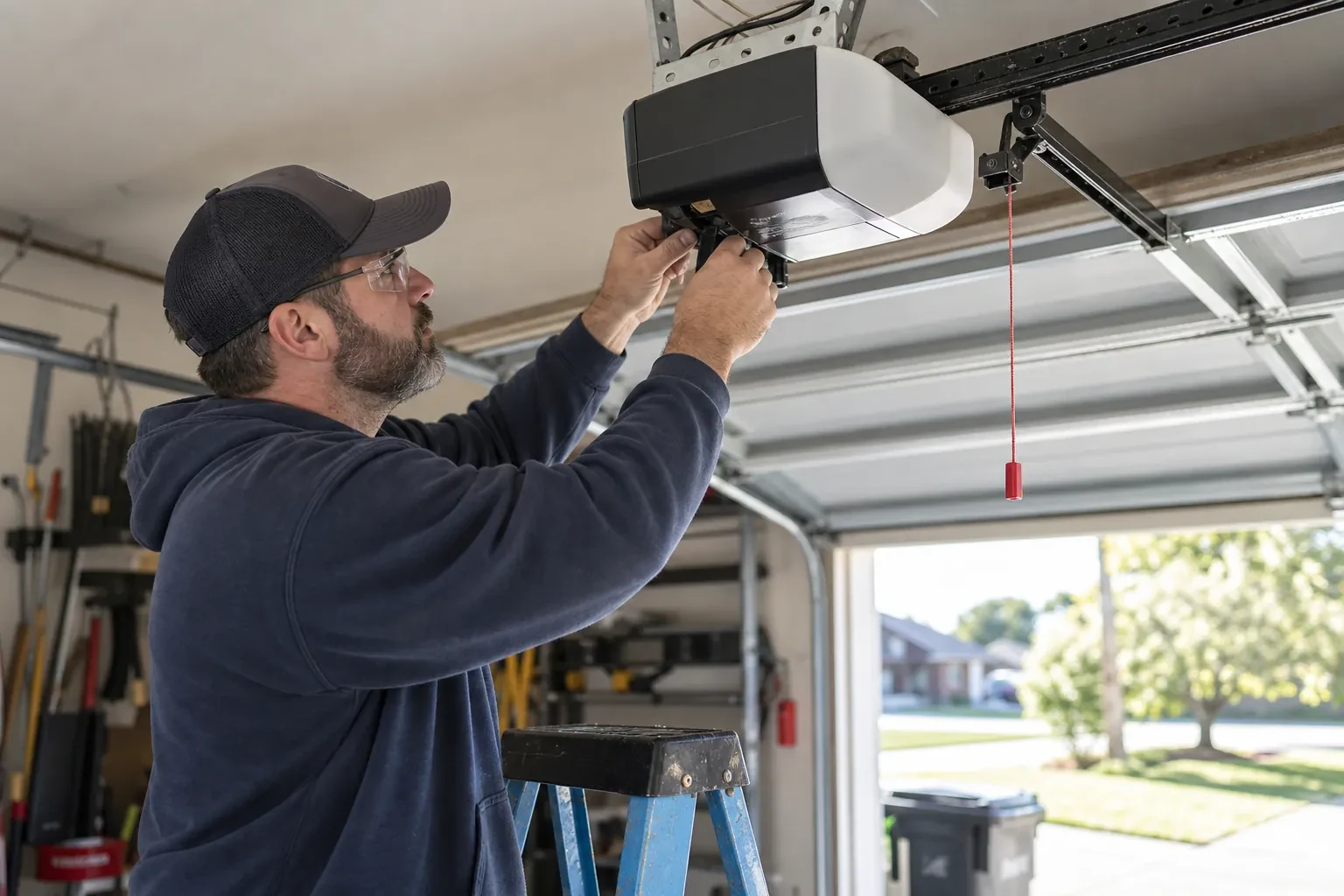
- Does the opener still run, and does it strain or reverse?
Garage Door Cable Replacement: questions
QuestionsCan I use the door as soon as the work is finished?
Yes. The visit ends with the door balanced by hand, run through full cycles and the opener reconnected and tested, so it is ready for normal use the moment the technician packs up. There is no settling period for cables. It is a good idea to watch the first few openings yourself to get a sense of how a level, balanced door sounds, so you notice any change later.
Why did the cable come off the drum?
A cable leaves its drum when it goes slack for a moment while the drum keeps turning. The usual reasons are the door closing onto an object or a ridge of ice so the bottom stops early, a spring that has lost tension or broken, or a drum whose set screws let it slip on the shaft. The technician finds which of these happened and corrects it so the new cable stays seated.
How long do lift cables usually last?
Cables tend to live about as long as the springs they work with, often ten years or more on a door used a few times a day, and less on a door that sees heavy use or a wet, salty floor every winter. Rather than a calendar, watch the condition: fraying, rust near the loop or a slack side are the signs the set is due.
Related services
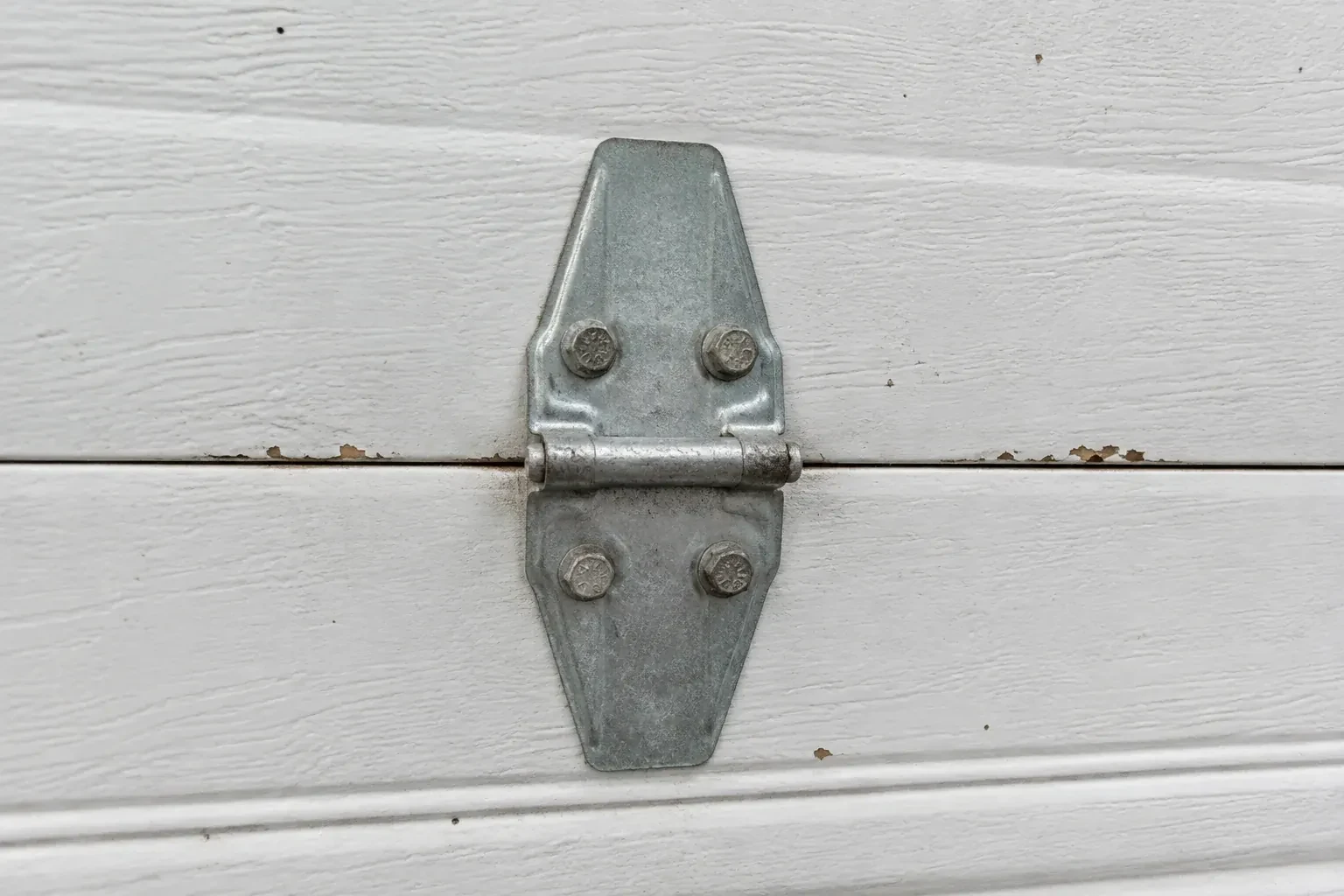
- Garage Door Hinge ReplacementAfter a cold night the bottom seal had frozen to the slab.
- Garage Door Track Repair or ReplacementYou bought the house with a door that sticks near the top of its travel.
- Torsion Spring ReplacementYou heard a sharp bang from the garage, and now the opener hums for a second and gives up.