Garage Doors in Woodbine Gardens, OntarioBalanced doorsspare the opener.
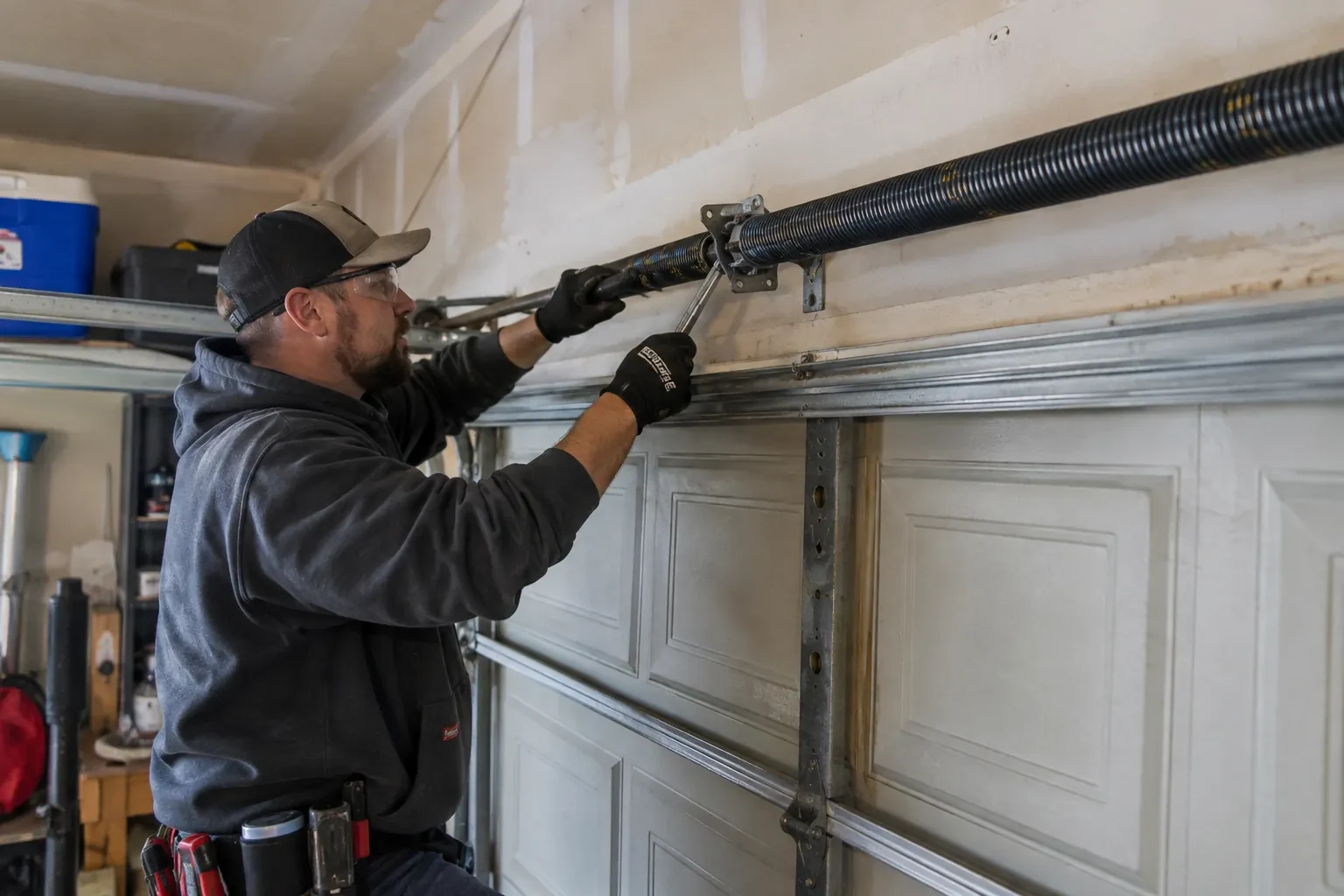
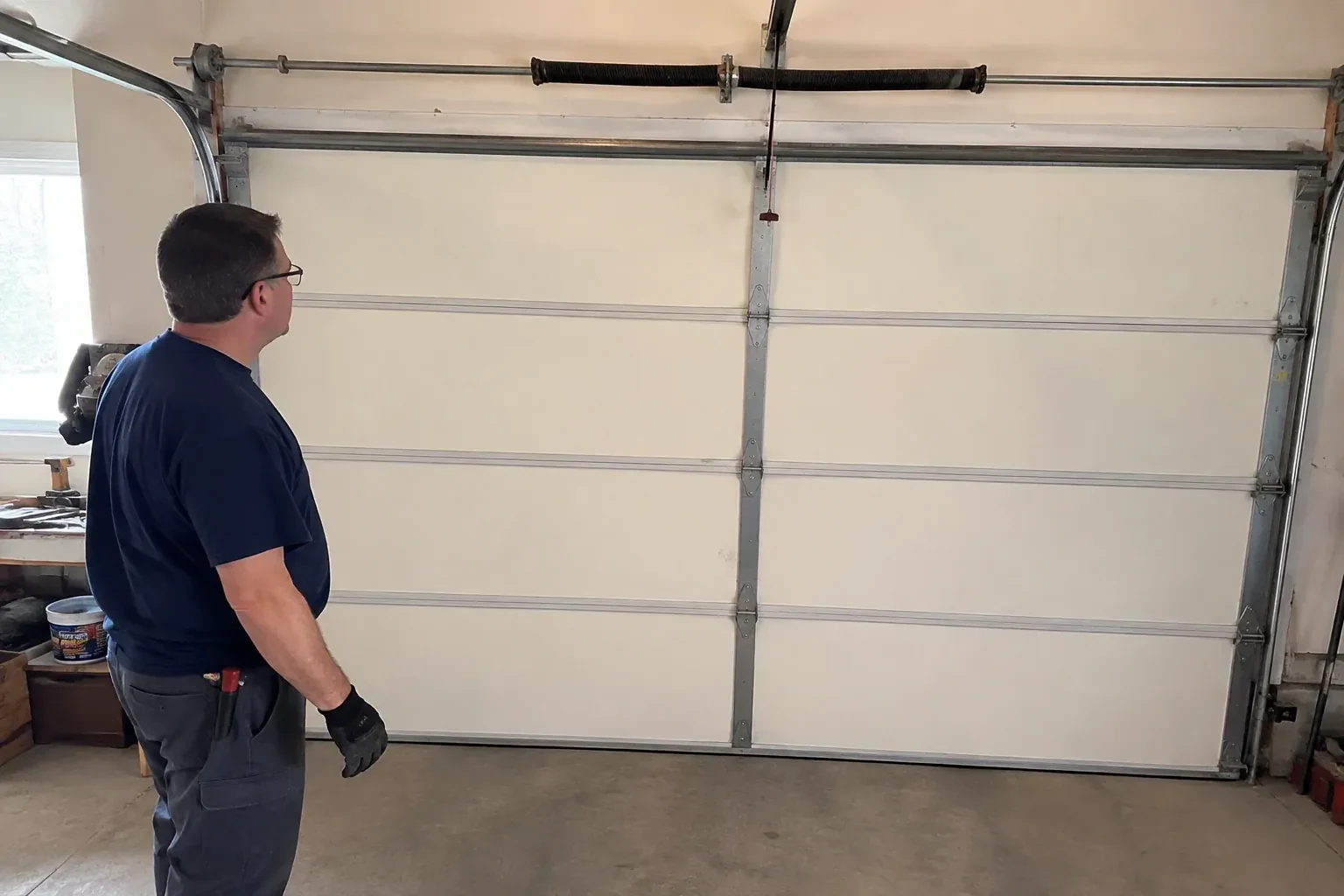
A door that drifts down or floats up when you pull the release is out of balance, and the opener has been lifting weight it was never designed for. We set the springs on doors in Woodbine Gardens so the door rests wherever you leave it, which spares the motor, the gear and the rail.
A door that drifts down or floats up when you pull the release is out of balance, and the opener has been lifting weight it was never designed for. We set the springs on doors in Woodbine Gardens so the door rests wherever you leave it, which spares the motor, the gear and the rail.
Small adjustments, long-lasting results.
A phone call to us from Woodbine Gardens gets a real conversation, not a script. We ask about the door, suggest what might be going on, and arrange a visit. What we hold back is the number: that comes after the technician has stood in front of the door and measured what it needs.
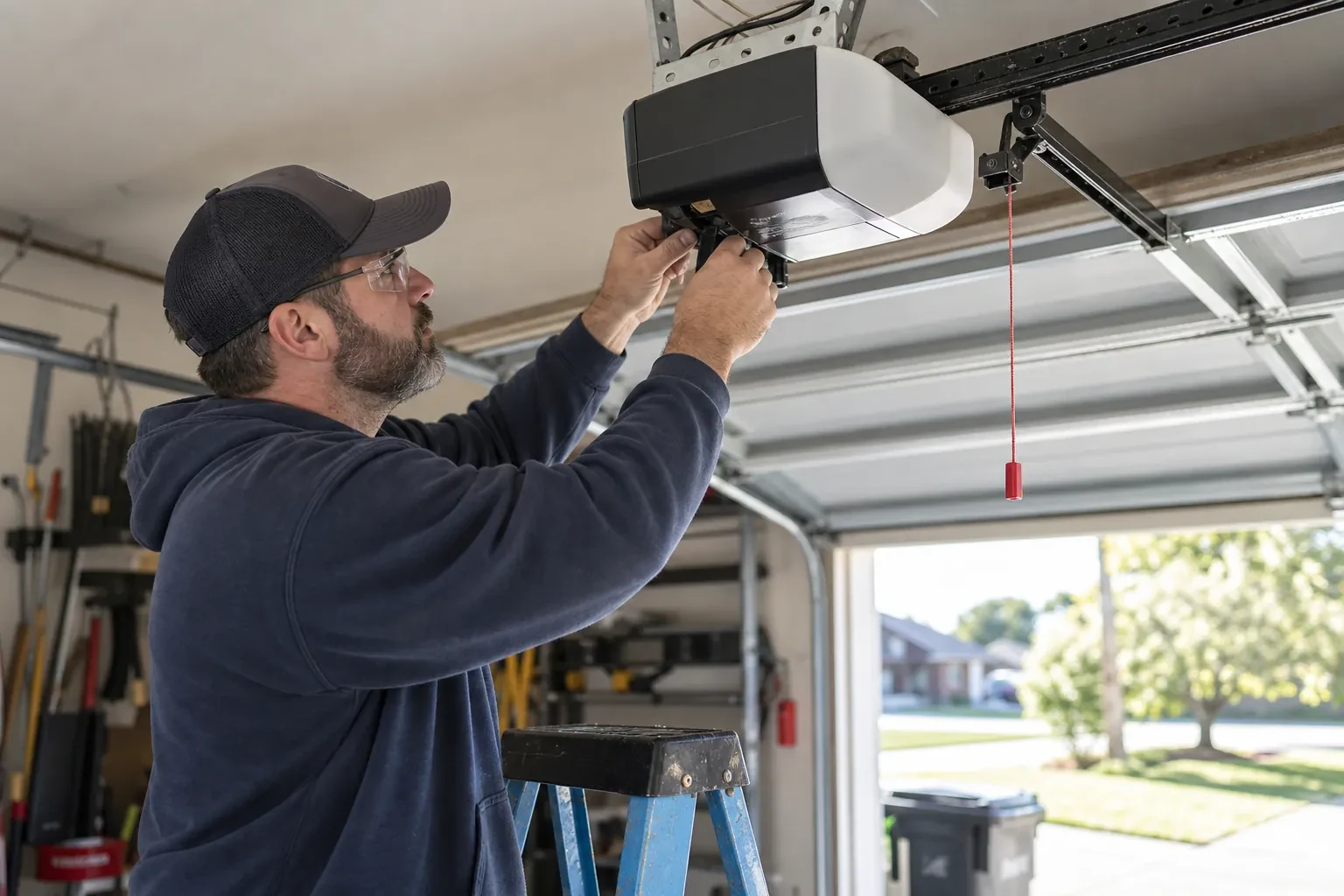
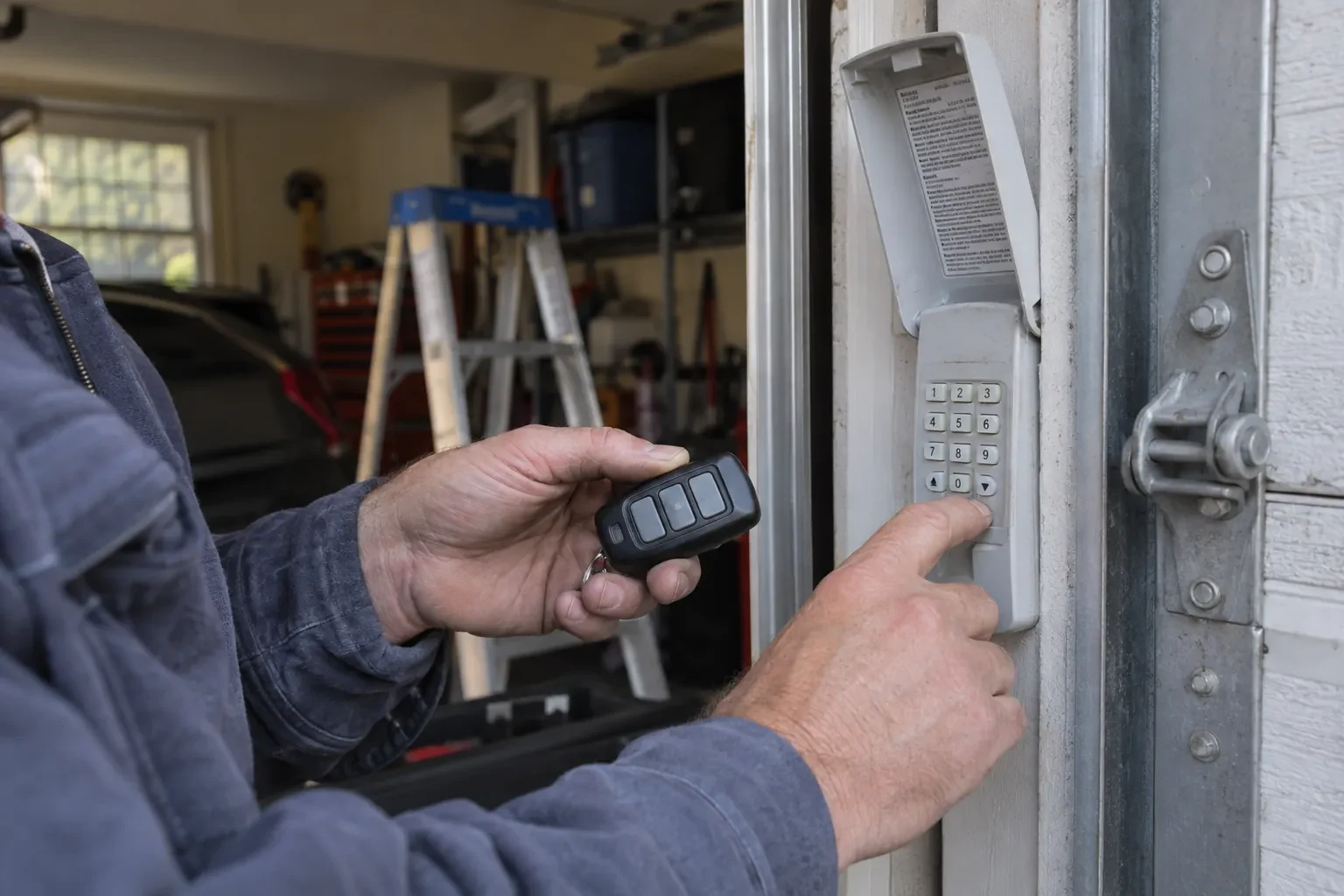
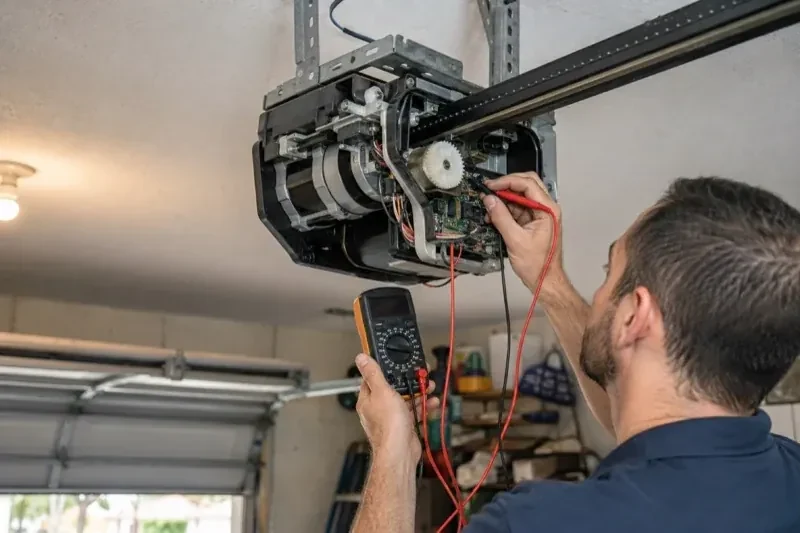
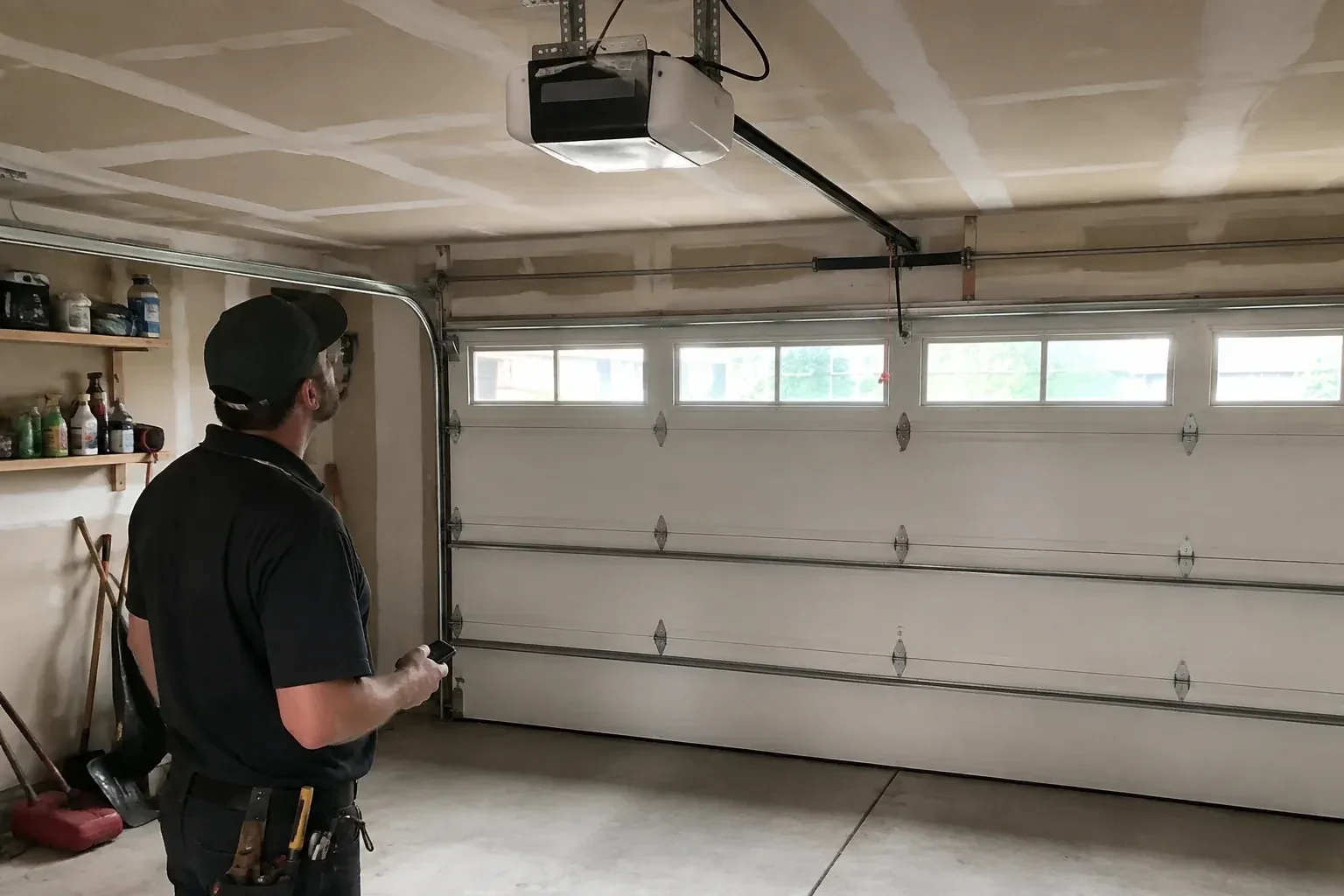
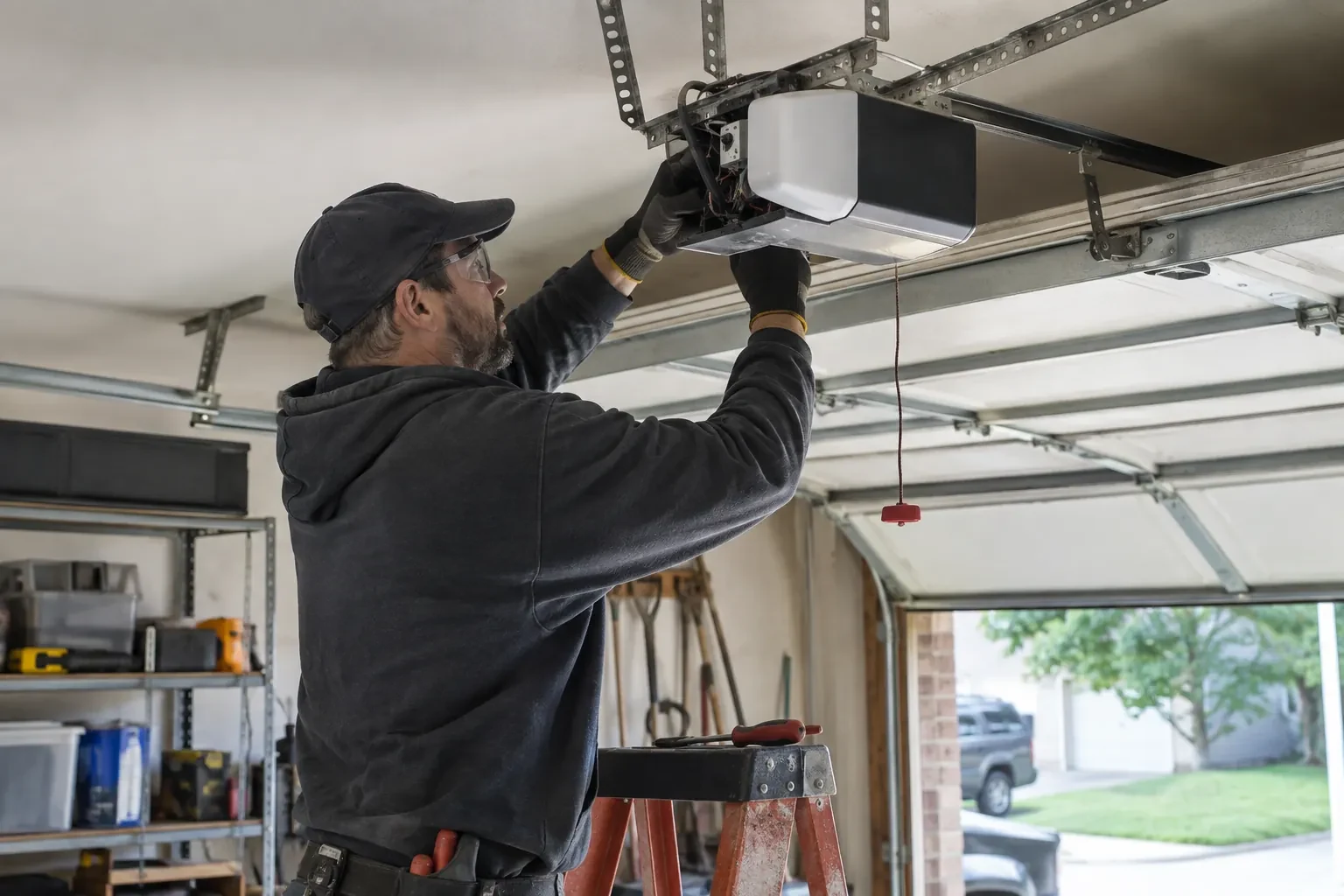
Garage door openers, remotes and keypads are as much a part of our work in Woodbine Gardens as springs and cables. A door that lifts by hand but ignores the button gets a calm, methodical check: power, board, travel limits, force settings, sensors and the remote itself. New openers are set up completely, including every remote, before the technician leaves your driveway.
17years in business
24/7open every day
The diagnosis first. No work begins until you have heard what we found and agreed on the plan. That is how we avoid surprises on both sides.
A clean finish. Grease wiped from the tracks, hardware tightened, tools packed, the space swept. Tidy work is part of doing the job well.
Options explained side by side. A modest repair, a lasting one, a full replacement: you see how they compare so the choice is yours to make.
Ask about a new garage door for your Woodbine Gardens home.
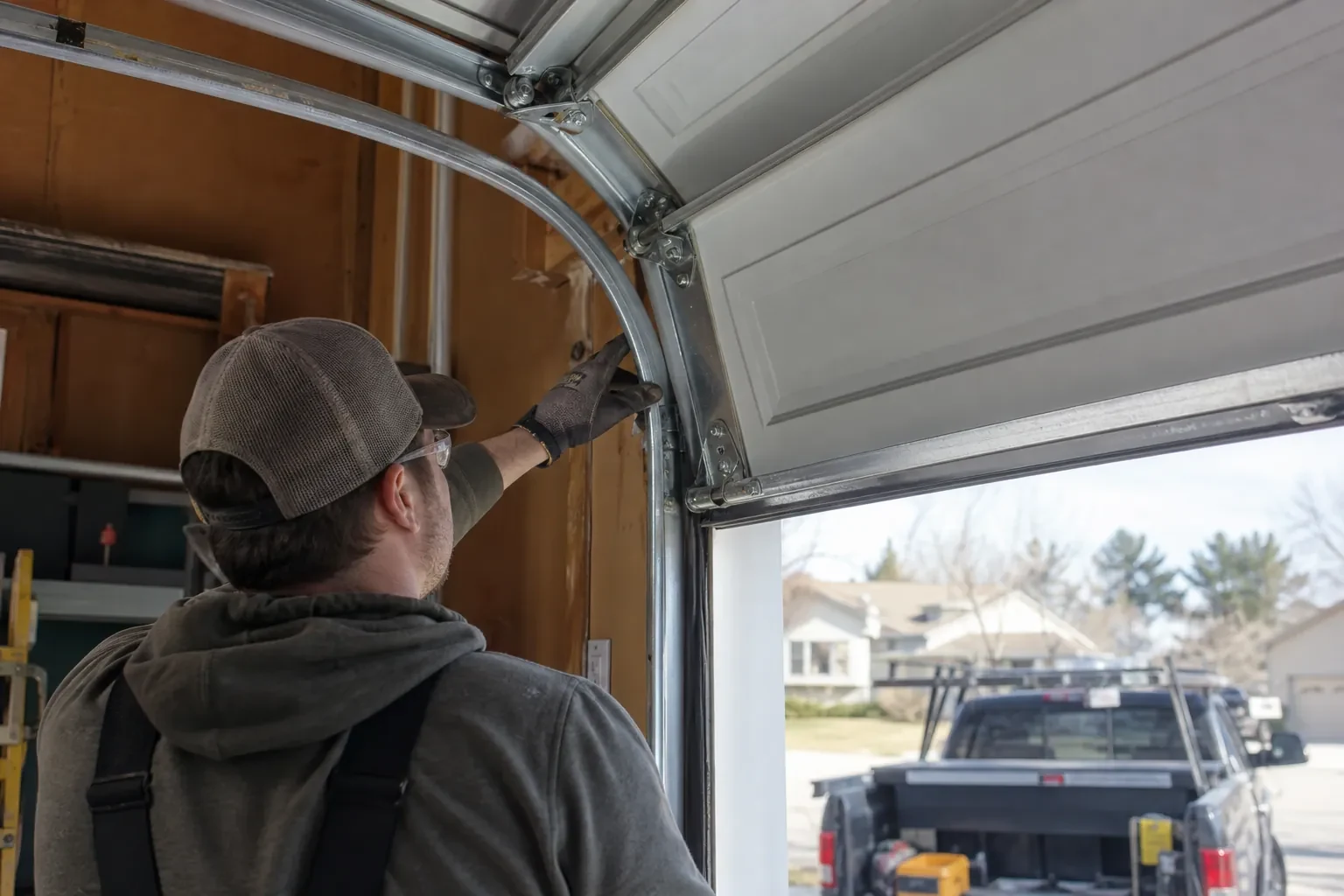
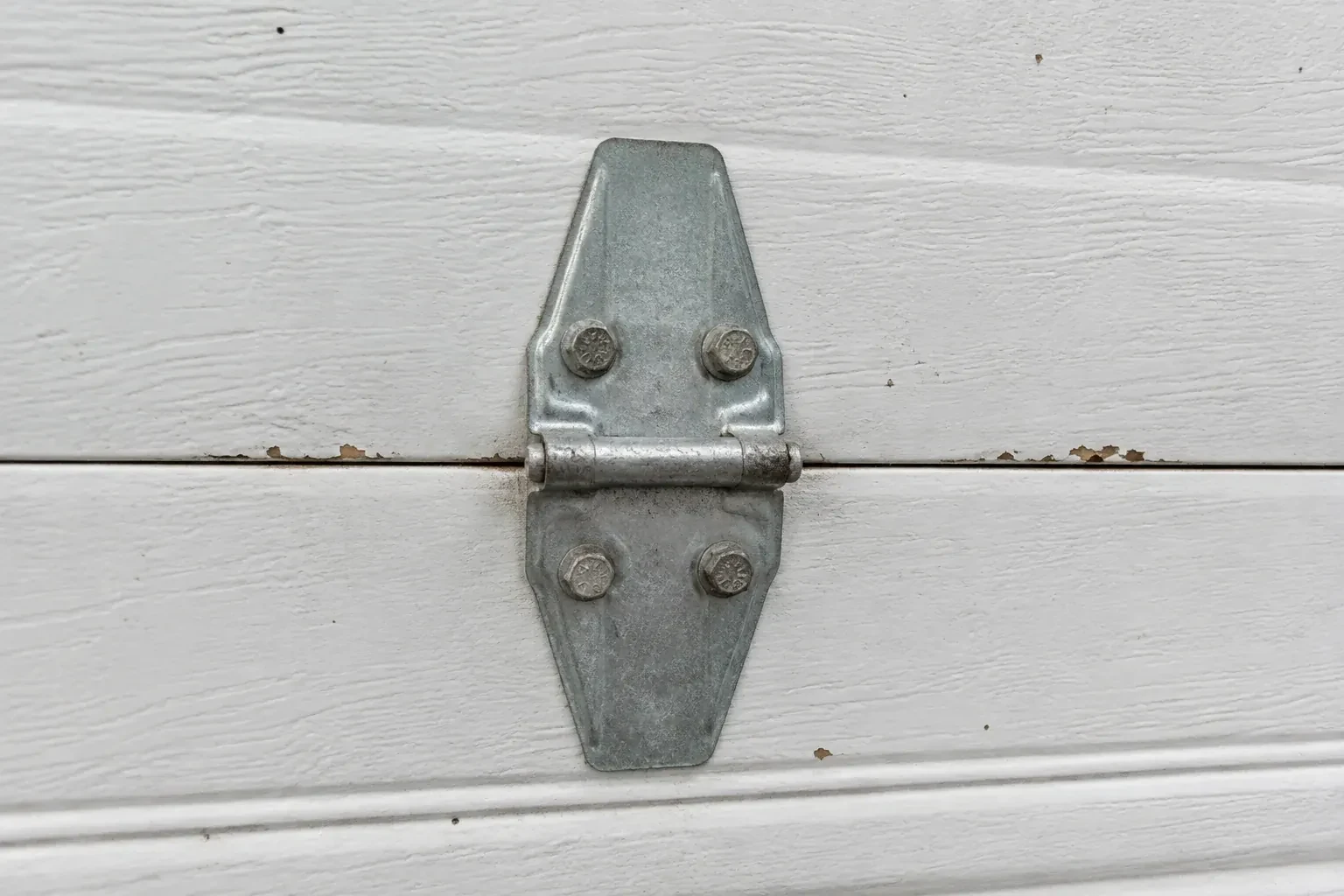
The garage door services we provide in Woodbine Gardens range from a single adjustment to a complete new installation. In between sit spring and cable replacement, opener repair, roller and hinge work, weather sealing and safety checks, each one done carefully and explained before it begins.
About 58% of homes in Toronto were built in 1980 or earlier, according to the 2021 Census.
Older homes
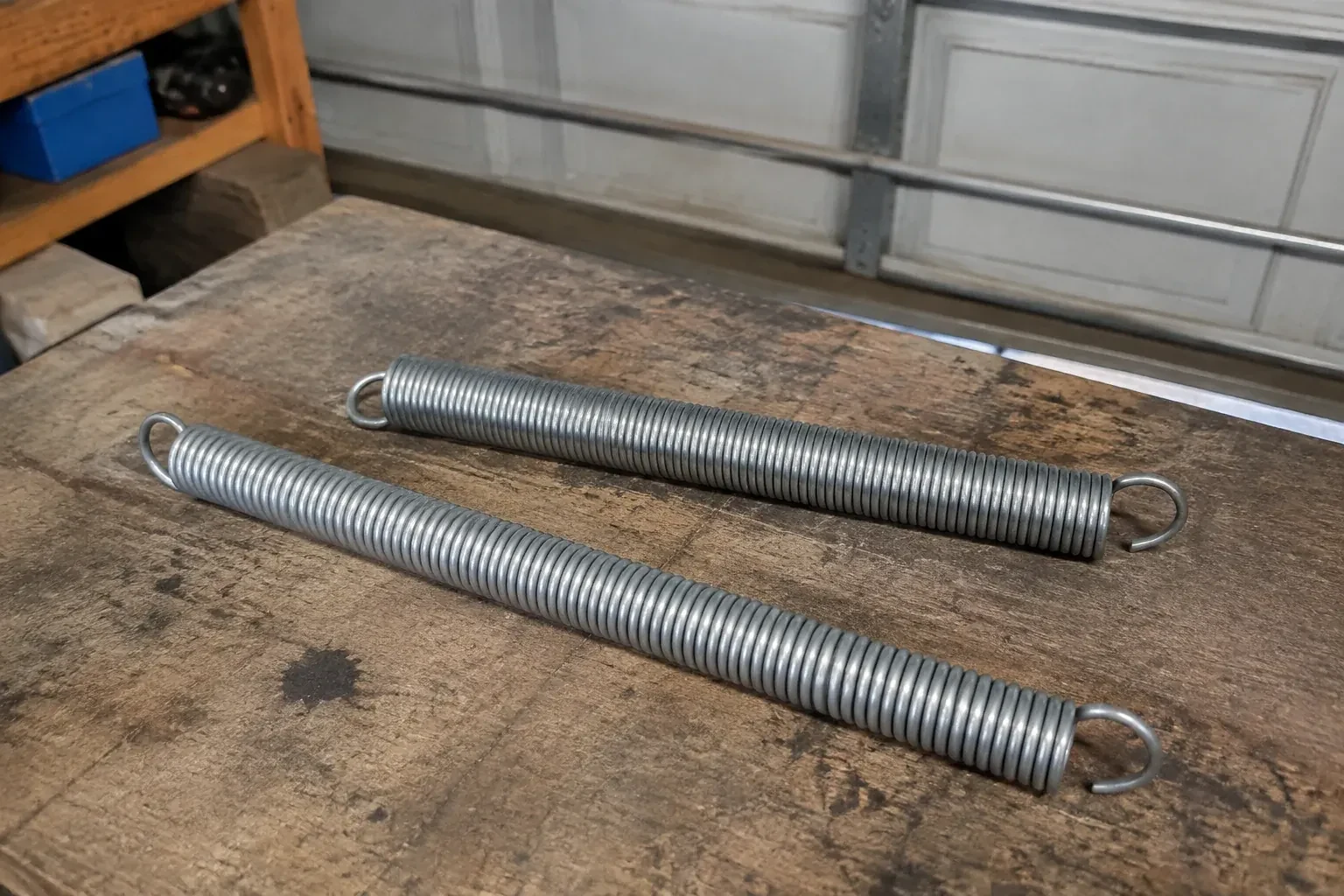
Extension springs are common on older doors, and they should carry a safety cable through the middle so a broken spring is held rather than flung. Adding those cables is a small job the technician checks for and offers on any older door he services.
Single-detached houses make up about 23% of homes in Toronto (2021 Census).
Townhouse rows generally have a narrow single door on each unit, with shared walls on both sides. Noise from a chain opener or dry rollers carries straight into the neighbour's home, so quiet belt-drive openers and nylon rollers are a popular and considerate choice here.
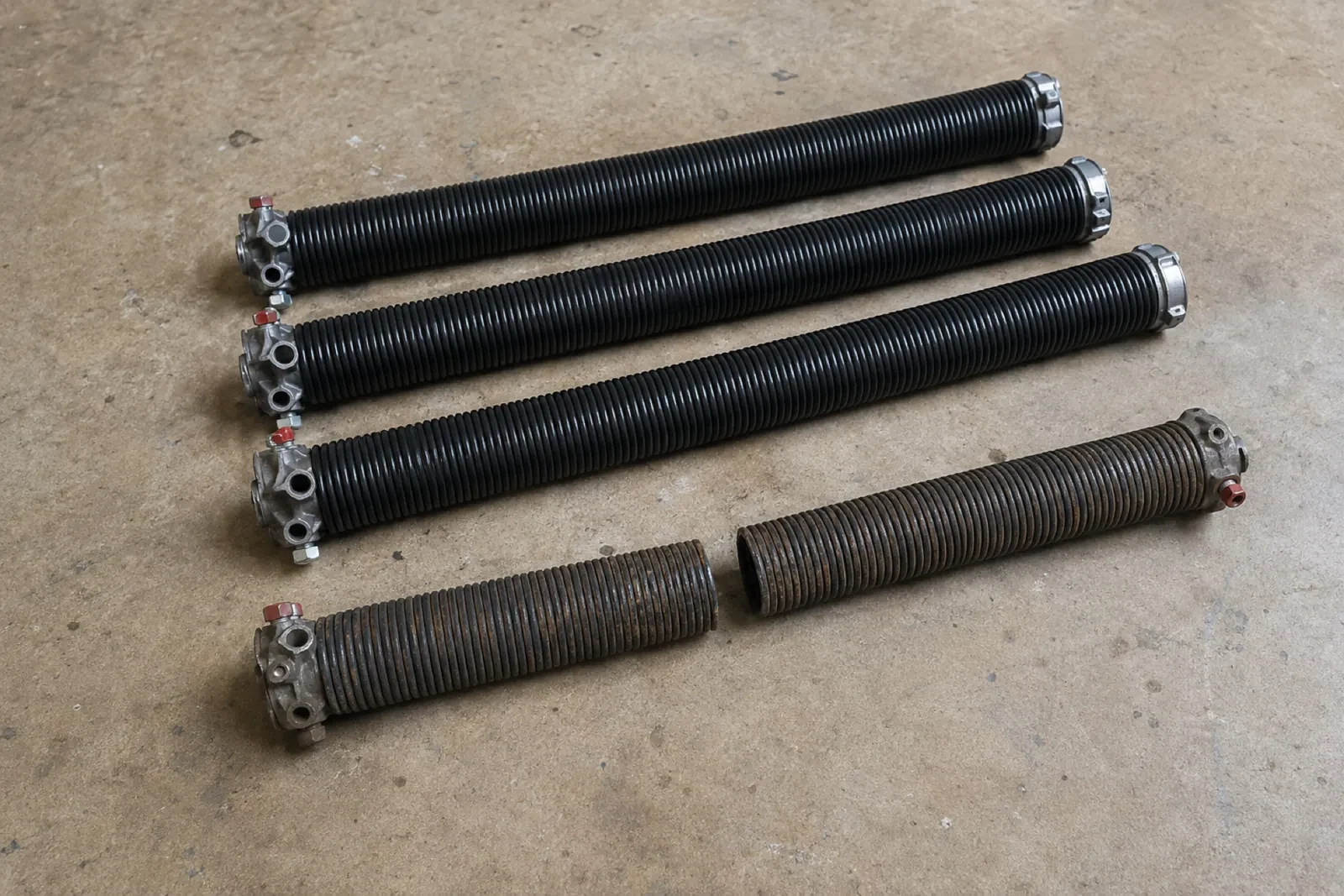
The lifting hardware takes the strain so the opener does not have to. We replace springs, cables and bearings before their wear passes down the line to more expensive parts.
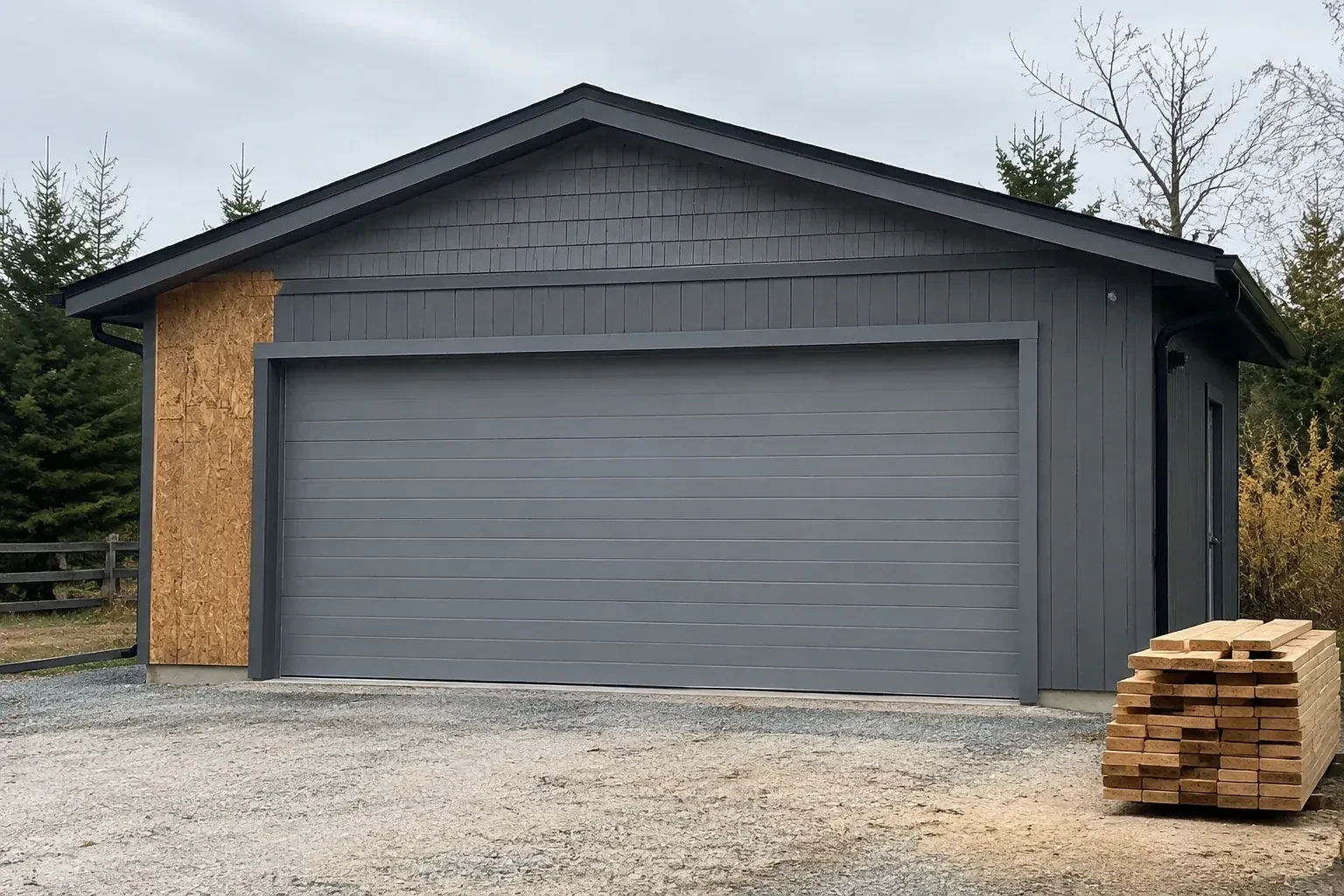
For builders and renovators, we fit doors into new openings and coordinate with the framing. For homeowners, we replace tired doors with ones chosen to suit the house and the climate.
Press the button and the opener hums for a second, then quits. The trolley is jammed hard against a bolt at the very end of the rail near the motor and will not budge in either direction.
Press the remote and the motor runs its full cycle, lights on, the usual whir, but the door does not move a centimetre. Up at the trolley, the belt is hanging loose where a small plastic clip used to hold it.
The remotes only work from the end of the driveway now, and one of them disappeared with a set of keys last month. Inside the remote are tiny switches instead of a learn button, so excluding the missing one means resetting the switch pattern on every remote and the receiver.
The new car has three buttons in the mirror for garage doors. You held the old remote up to it as the manual said, the light in the car changed, and yet the door ignores it completely.
The house came with a controller already screwed to the garage ceiling and a sensor on the door, but the app insists the device belongs to another account. The seller has moved provinces, the emails go unanswered, and every evening the door still reports to a stranger's phone.
A previous owner knotted the release cord around the rail and stacked storage shelves right beneath it. You only discovered this in the dark, with the power off, a flashlight in your teeth and a car that needed to be somewhere.
WhyFor a home you have just bought, or one you are about to sell, the inspection gives the door a starting point.
The bedroom over the garage is always the cold room, and standing in the garage you can feel why: a steady draft along the door edges that moves the cobwebs on the wall.
WhyA low ceiling, storage rack or beam does not automatically rule out an insulated sectional door, but it does make the track plan central to the job.
A beam, sloped ceiling or duct crosses the space above the new opening.
WhyWhen a door is stuck closed, the first goal is to understand what is holding it rather than adding force.
An entrance. Not an afterthought.
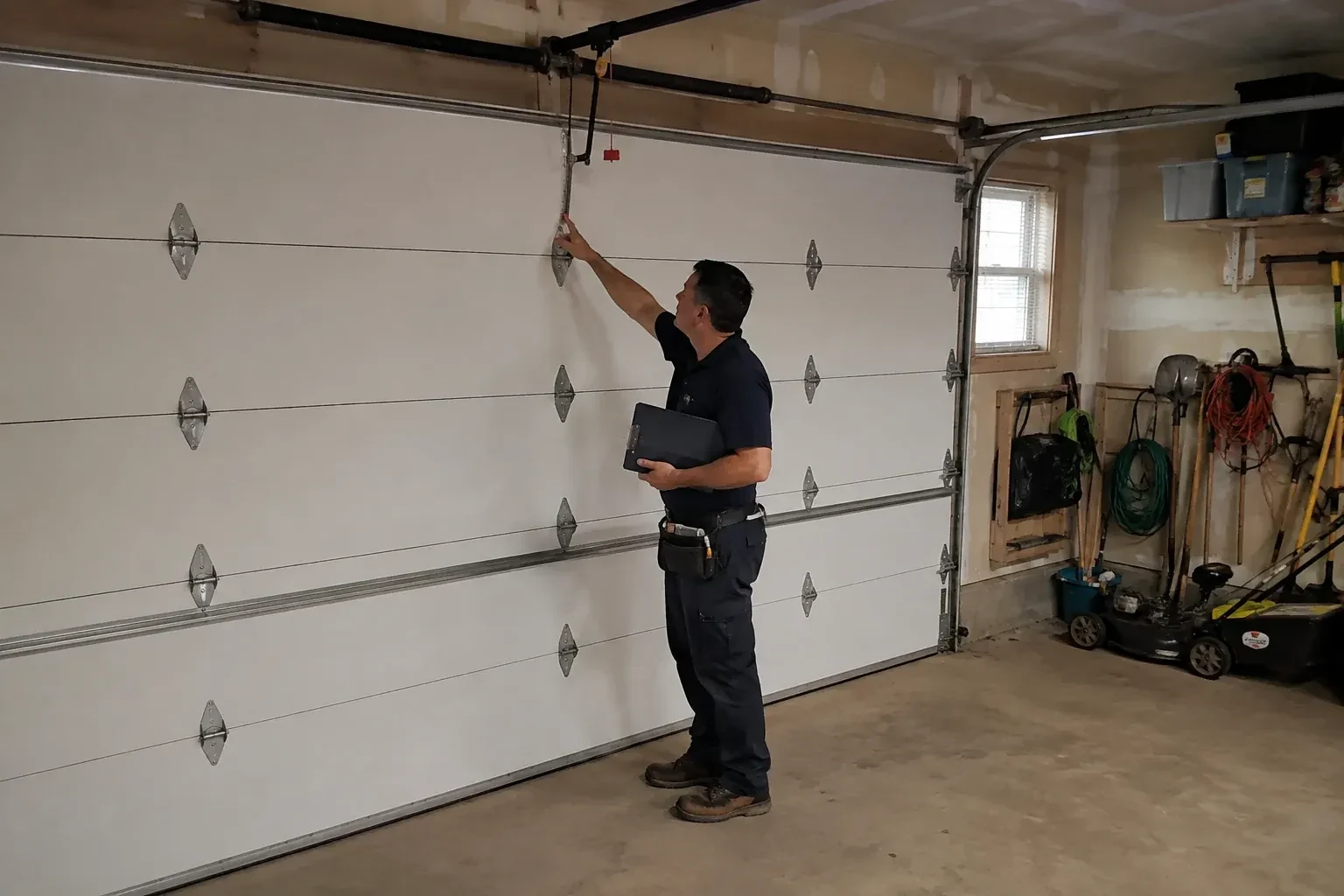
1/10Garage Door Safety Inspection
Your toddler has discovered the wall button. You want to know, from someone who checks these things for a living, that the door will stop and reverse if a small person is under it.
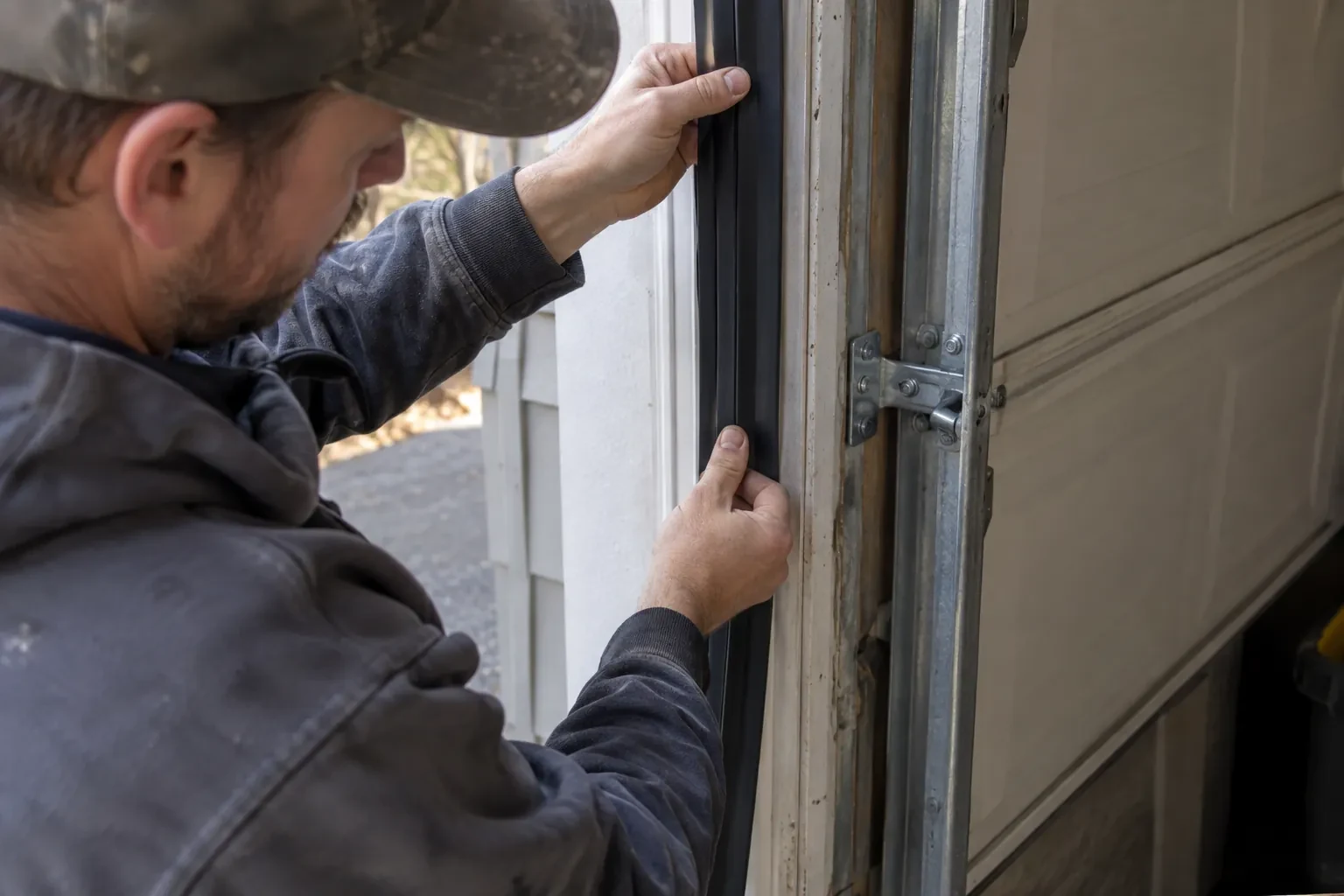
The bedroom over the garage is always the cold room, and standing in the garage you can feel why: a steady draft along the door edges that moves the cobwebs on the wall. The seal around the opening has flattened to nothing.
Halfway up, the door lurches and one roller rides onto the lip of the channel. Near the curve the track looks wider than the rest, and the door hesitates in the same place on the way down.
The door went up as usual this morning, then stopped a third of the way with one corner higher than the other. It is wedged at an angle in the opening, the opener is humming, and nothing you press will move it.
The door starts to rise, gets about the height of your knee, then shudders and reverses. The opener sounds strained, and the top section flexes as the trolley pulls on it, because the motor is doing work the spring used to do.
The door goes up perfectly. Coming down is the trouble: partway to the floor it stops, climbs back to the top, and the light on the opener blinks at you. The only way to close it is to stand inside holding the wall button the whole way down.
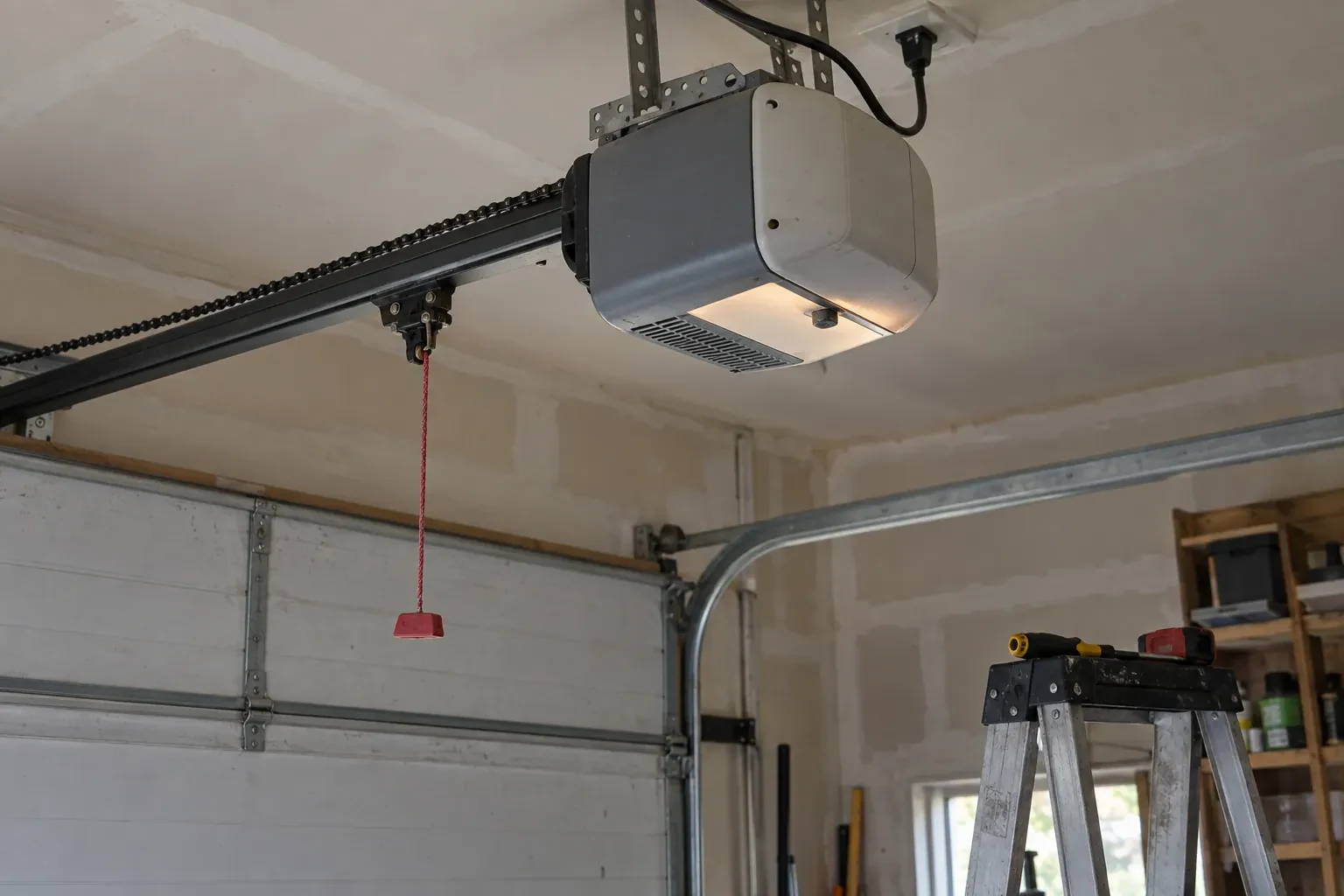
The opener in the ceiling is older than the car parked under it. It groans on the way up, the light fixture rattles, and there are no small sensors near the floor. The last technician mentioned that parts for that model stopped being made years ago.
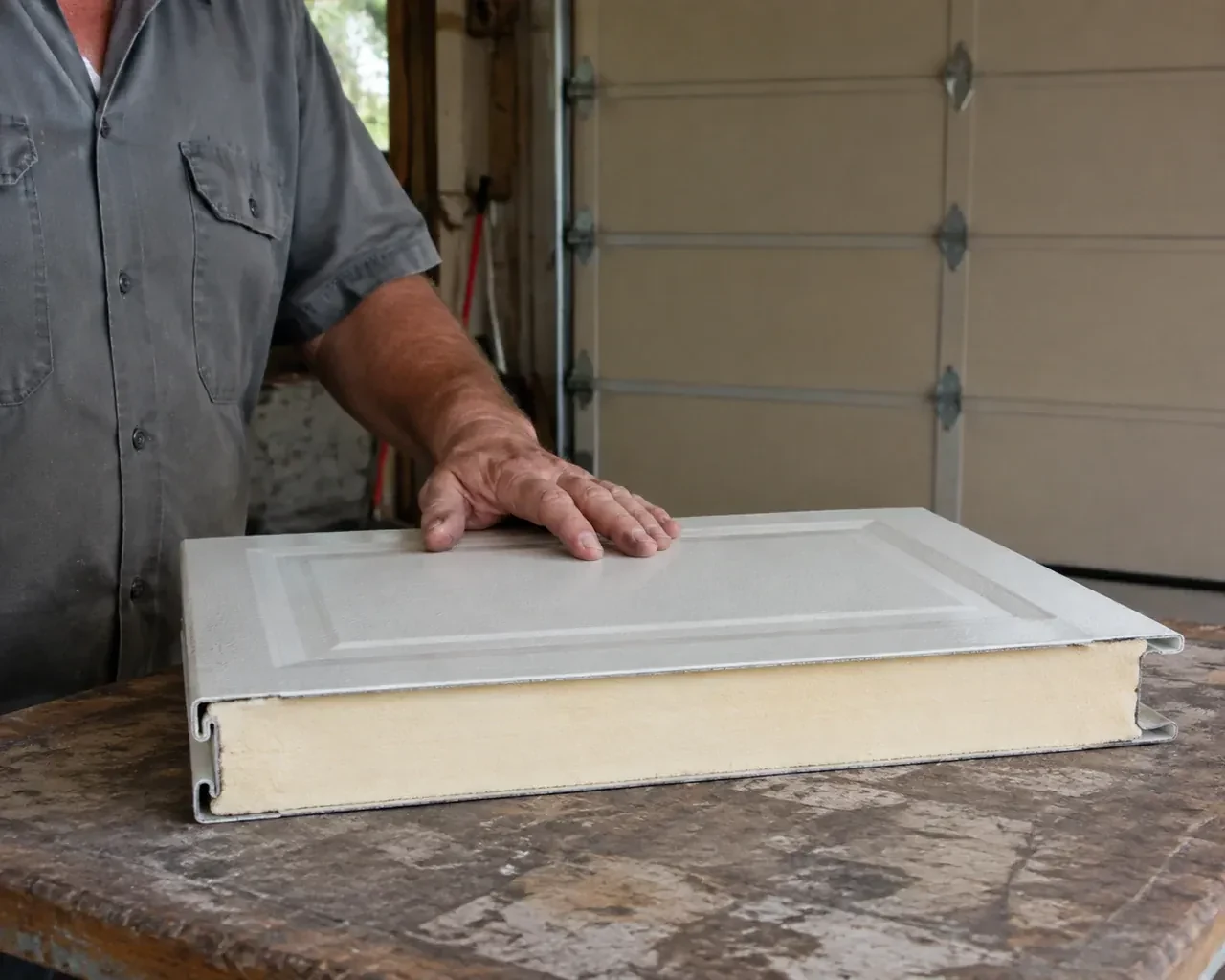
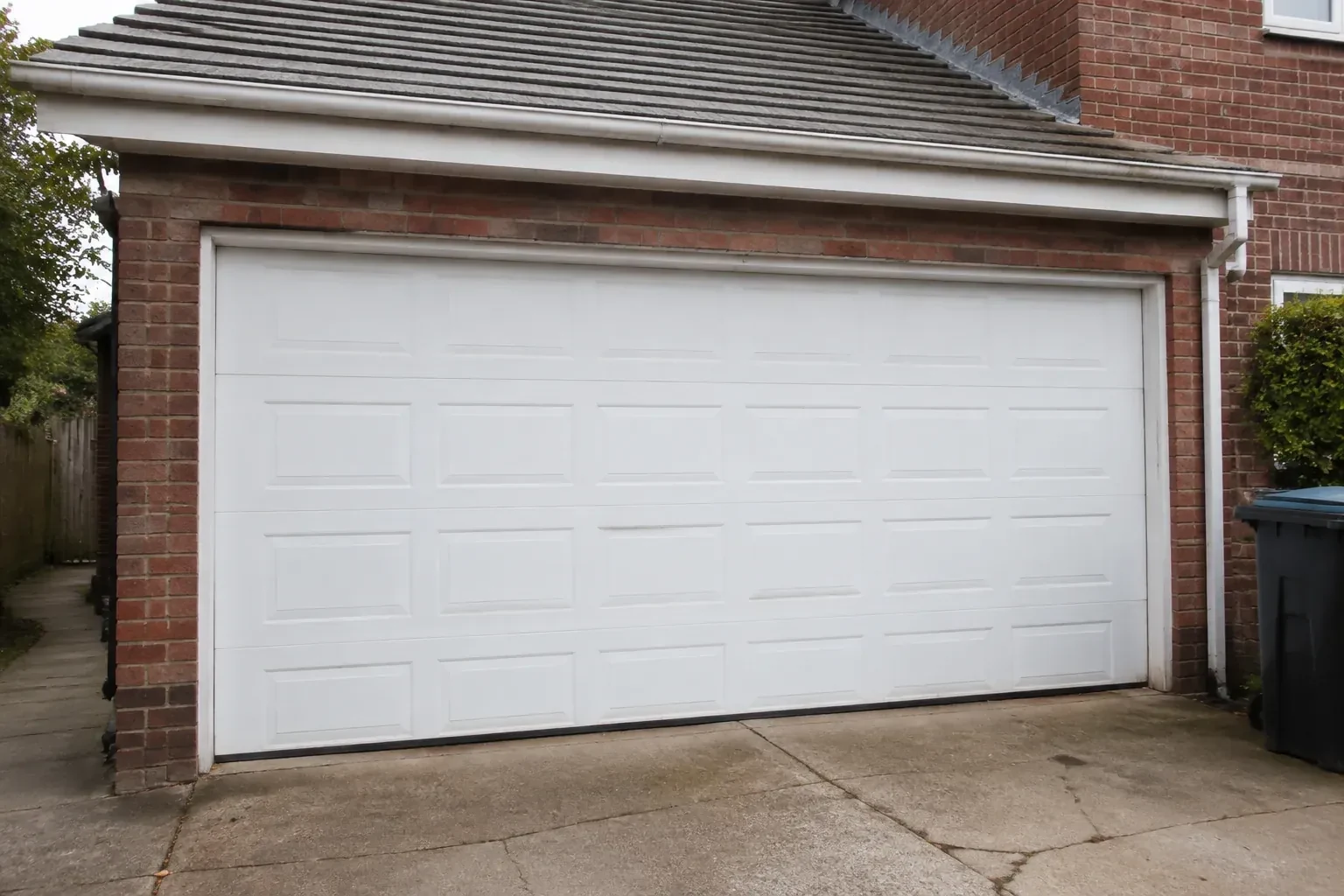
A refreshed exterior has made the faded garage door stand out. You are looking for steel sections, a panel pattern and colour that suit the house while adding practical insulation and smoother everyday operation.
A beam, sloped ceiling or duct crosses the space above the new opening. The door still needs a clear path, which makes headroom, backroom and the right track arrangement central to the plan.
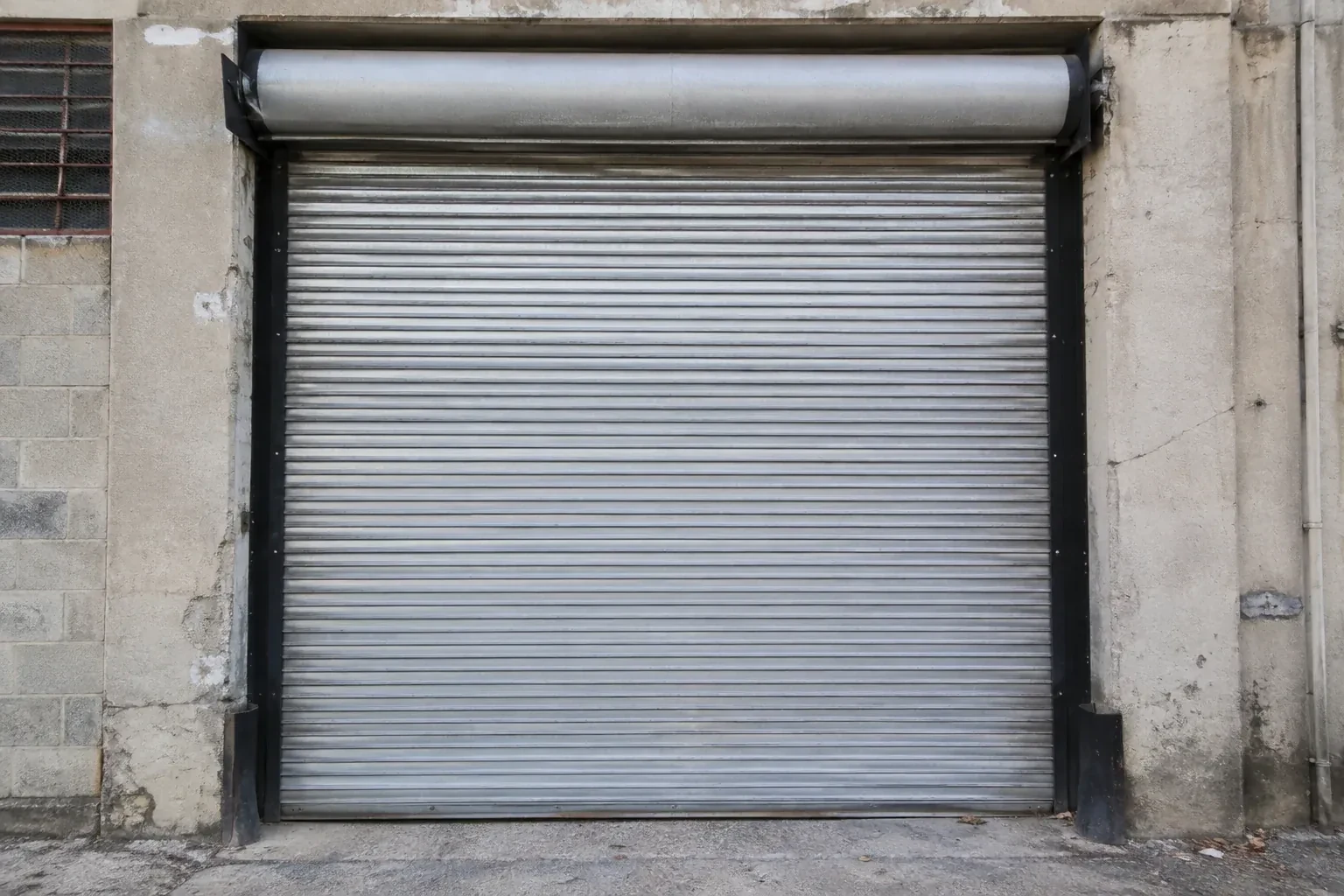
A metallic clatter now comes from inside the hood whenever the curtain coils. The sound follows each revolution, the travel has become jerky, and fine metal dust is visible near one bracket and bearing.
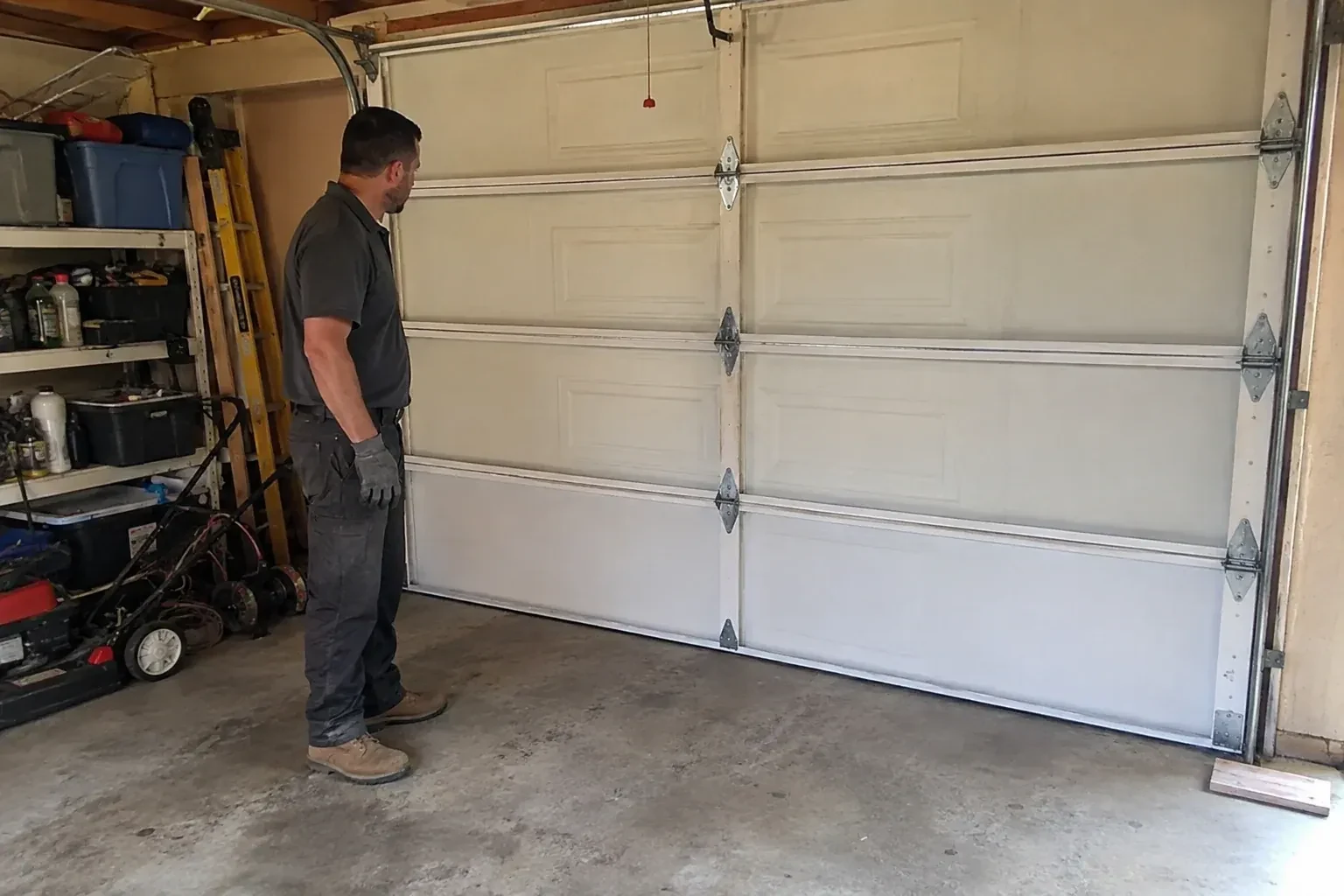
With the opener disconnected, the door is lifted by hand. If it moves with light effort and stays put at waist height, the springs are carrying its weight as designed. If it drifts up, sinks or feels heavy, the springs are out of step with the door and the opener has been doing the lifting. That strain shortens the opener's life and can defeat its reversal settings, which is why balance is checked first.
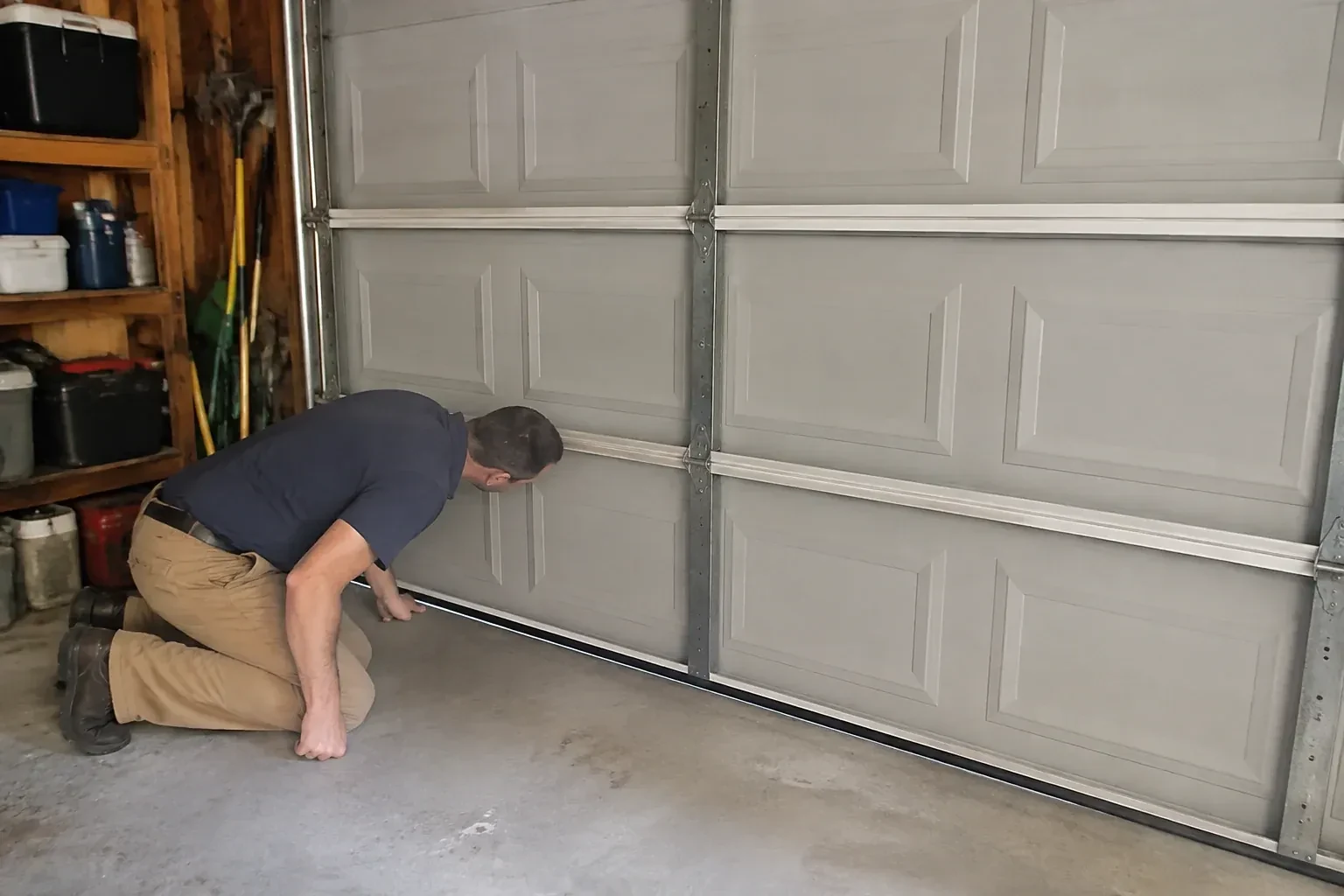
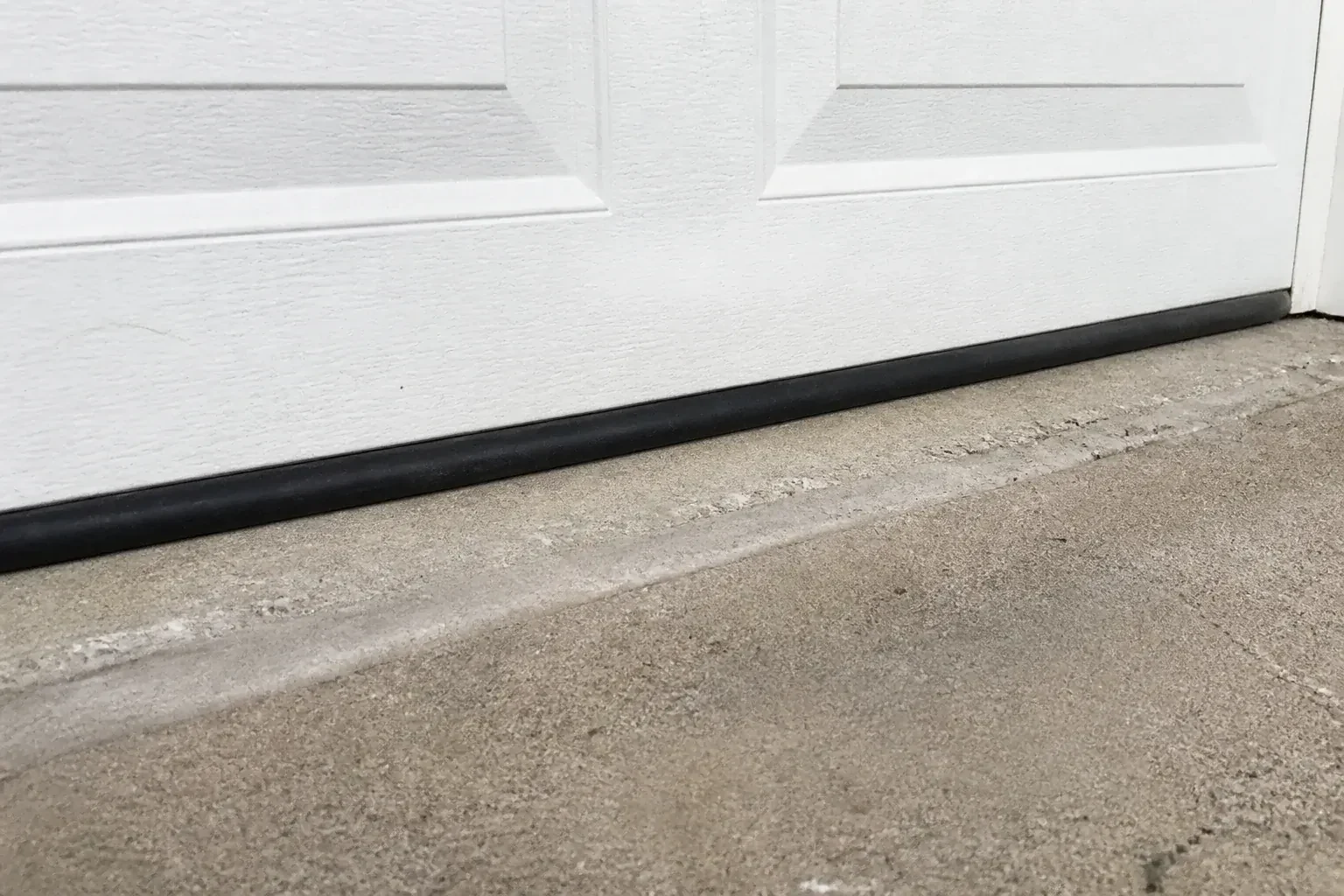
Why should the seal only touch the door lightly?
The fin is meant to bend against the door with a small, even deflection. That is enough to seal, and it lets the fin spring clear as the door lifts. Pressed hard, it drags on the door face, folds under on the way down, squeals and wears through well before its time, and it adds load to the opener. Set too far off, it leaves a standing gap. The light touch is the setting that lasts.
What happens during the visit?
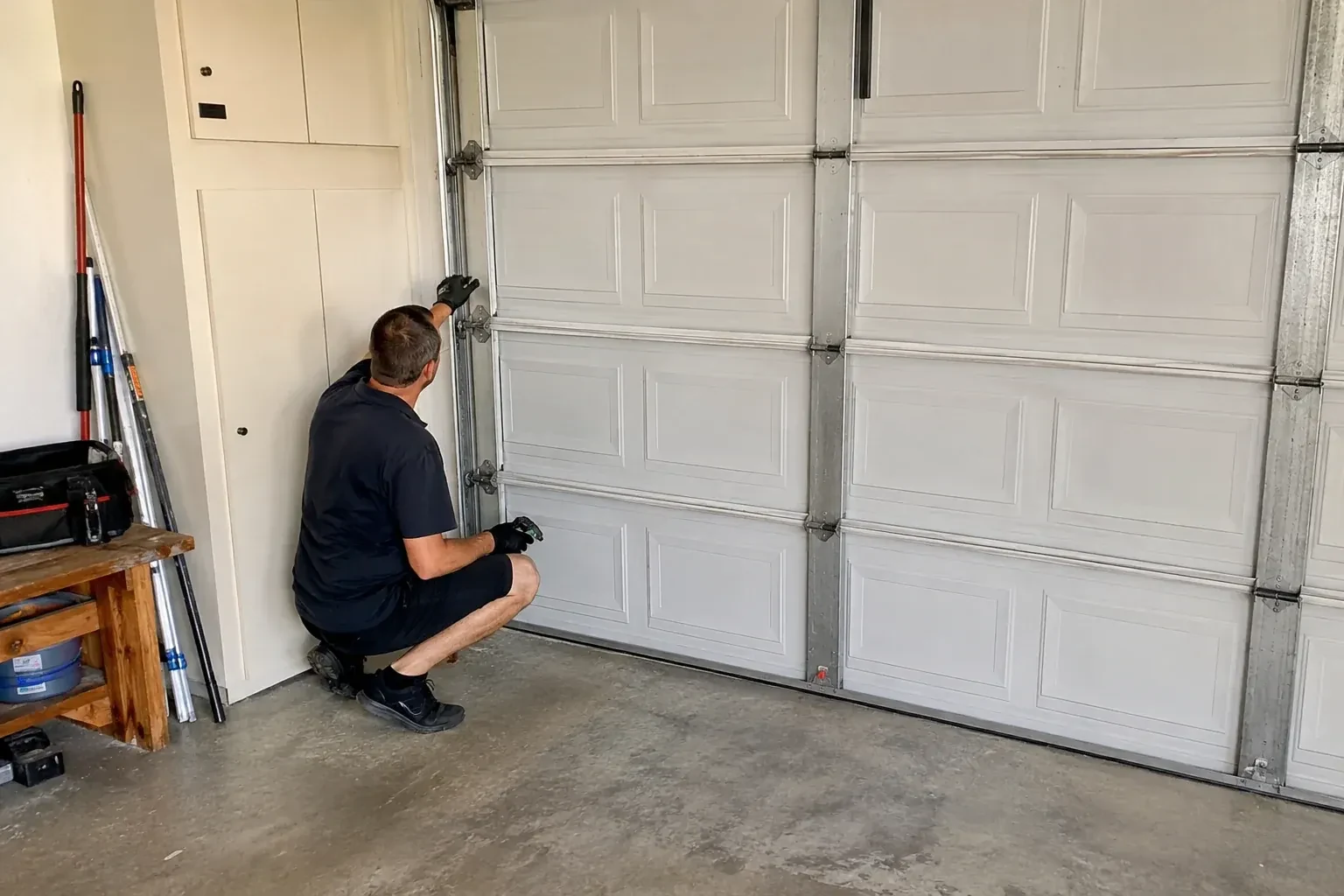
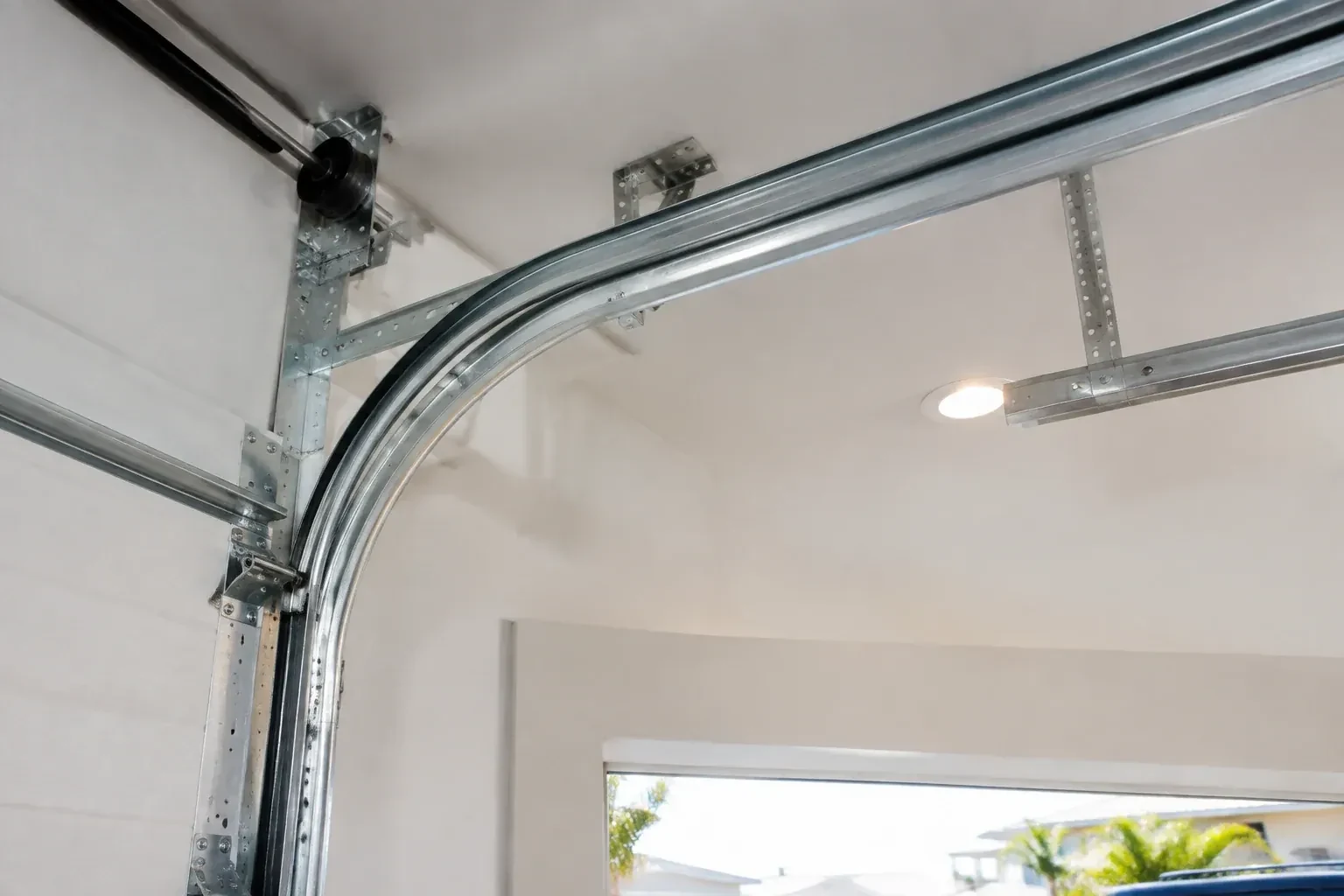
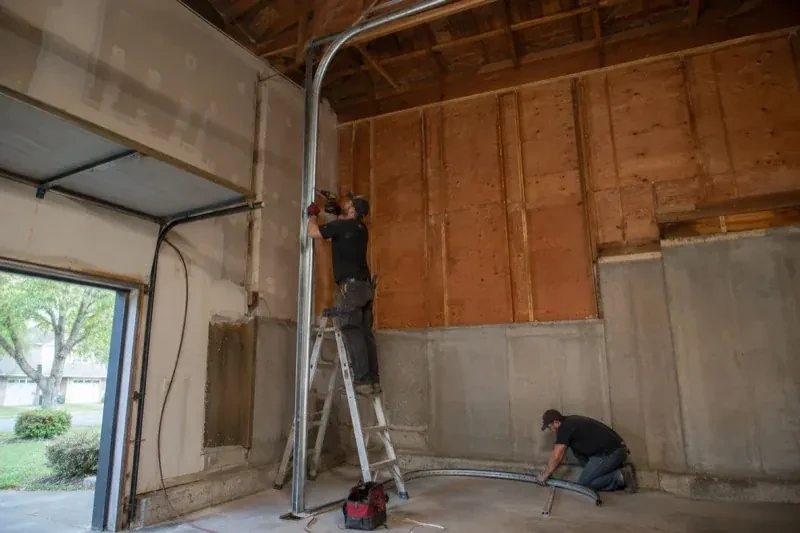
The opener is disconnected and the door clamped. The technician identifies the track type and layout, checks each vertical run for plumb, spacing and fixing, looks at the jamb wood, the curve, the flag brackets, the horizontal runs and their hangers, and how each roller sits. Damaged pieces are dressed or replaced, brackets refixed into sound wood, the geometry reset, rollers reseated, springs re-tensioned if they were unloaded, and the door balanced and the opener tested.
Why did the cable come off the drum?
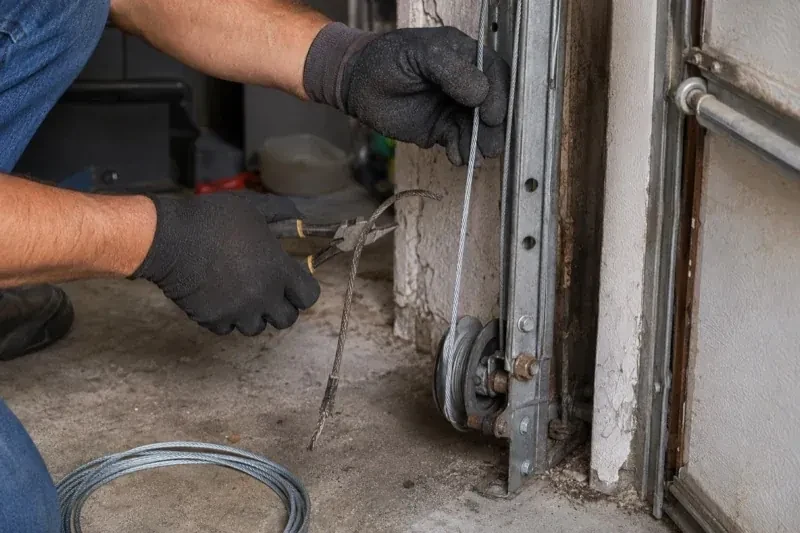
A cable leaves its drum when it goes slack for a moment while the drum keeps turning. The usual reasons are the door closing onto an object or a ridge of ice so the bottom stops early, a spring that has lost tension or broken, or a drum whose set screws let it slip on the shaft. The technician finds which of these happened and corrects it so the new cable stays seated.
Can a spring be adjusted rather than replaced?
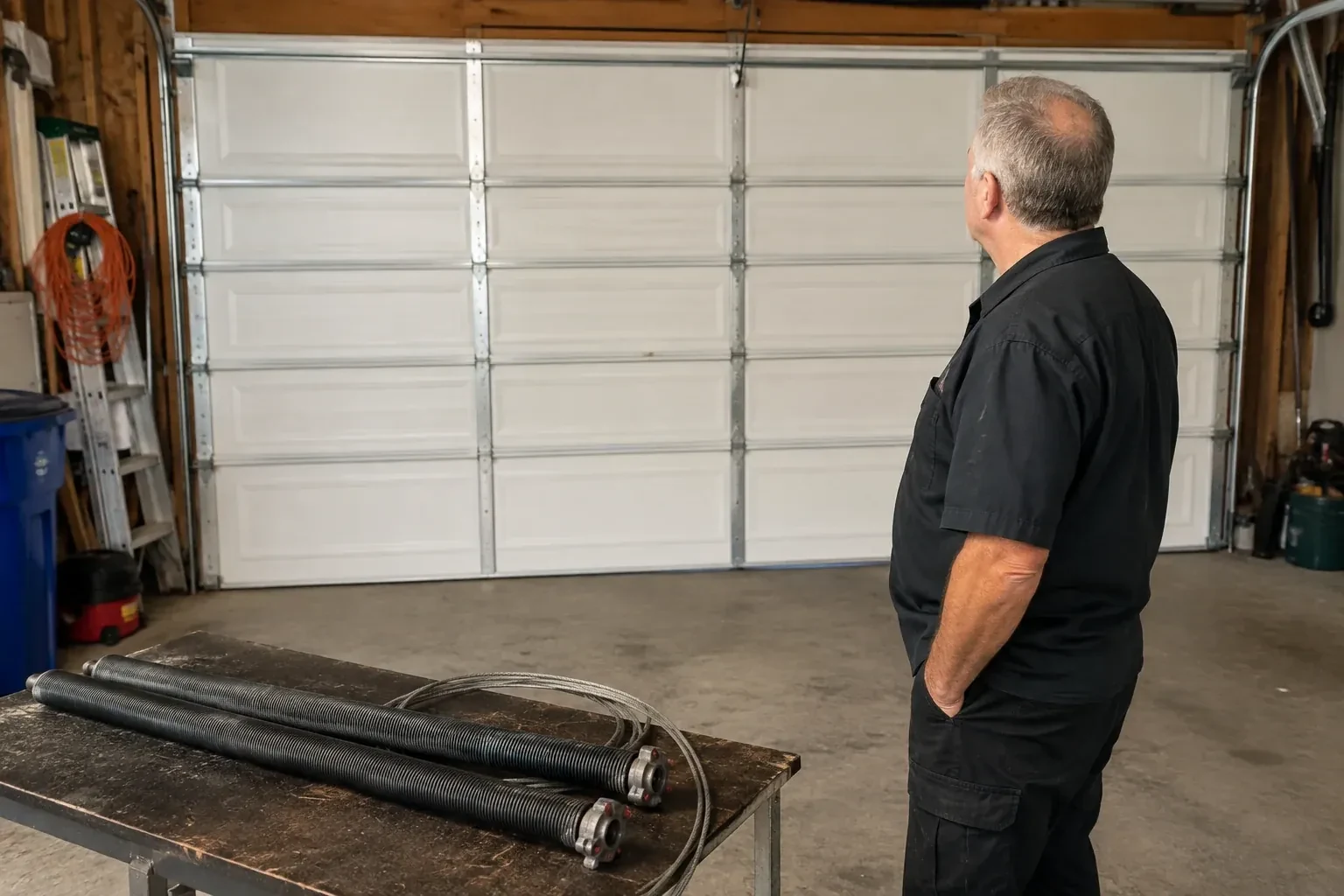
A spring that is intact but has relaxed slightly can be given a little more tension, within limits, to restore balance; this is a normal adjustment on a door that has settled. A spring with a broken coil is replaced as a unit, since the wire has reached the end of its life. The technician checks the condition of the steel and recommends whichever restores a balanced, safe door.
Should I lubricate the chain, the rail or the track?
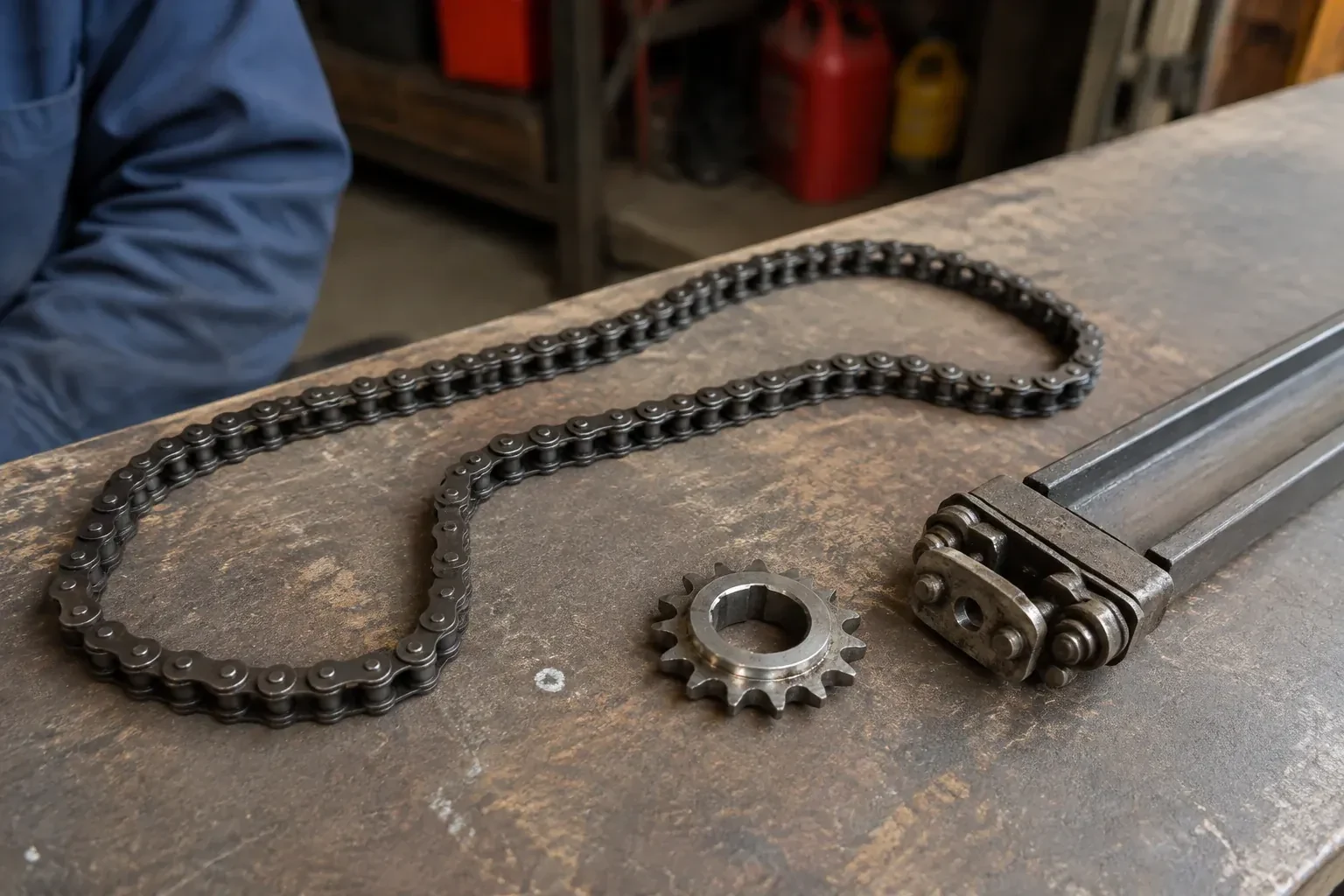
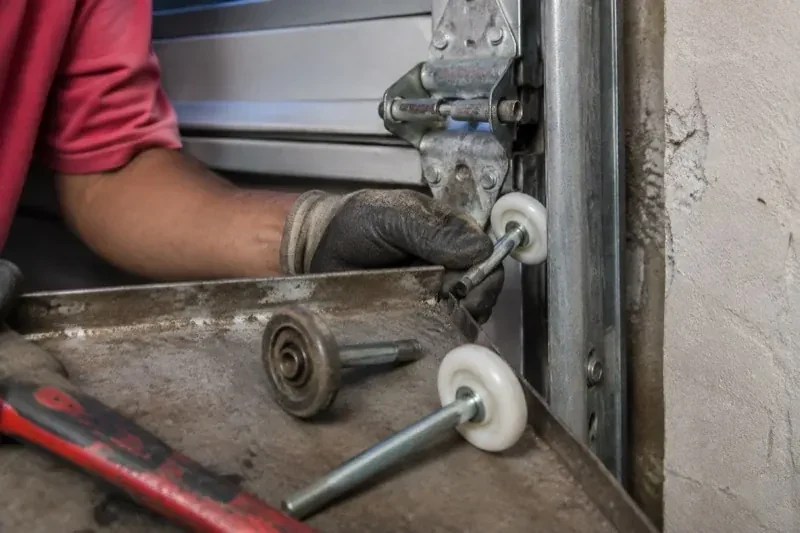
Rollers, hinges, bearings and springs benefit from a garage door lubricant once or twice a year. The chain, belt or screw-drive rail is a separate question, since each drive type calls for its own product and schedule from the opener's manual rather than one rule for every unit. The track itself should stay clean and dry, because lubricant there collects grit and makes rollers slide instead of turning. The technician can point out the spots on your door at the end of the visit.
My old photo eyes still work. Can they stay?
Sensors and head unit are made for each other; a board reads its own maker's sensors, often a particular generation of them, so the pair in the box is what goes on the wall and the old ones come down with the old opener. The new pair sits low at each side of the doorway, roughly a hand's width above the concrete, and the technician confirms their indicator lights are steady before the door is tested against the beam.
Can the new door use my old tracks?
A replacement is normally planned with track designed for its section thickness, rollers, weight and required clearances. Old track may look similar while having a different spacing, curve or support arrangement. The installer identifies every component and follows the selected door maker's compatibility information before proposing reuse. Treating panels and track as one system supports clean travel and correct perimeter positioning.
Is an electric operator part of every installation?
No. The door system can be installed and balanced for manual operation, while an electric operator is an additional selected component. When included, the scope should name the operator type, controls, sensors, support and electrical preparation. The door is commissioned by hand before powered travel is set. This sequence confirms that the motor is connected to a freely moving, properly counterbalanced assembly.
Does a forklift strike always require a new curtain?
The decision follows measurements and the spread of damage. A localised group of serviceable slats, endlocks or a bottom bar may support component replacement, while extensive distortion can affect the coil, guides, brackets and reliable alignment. The jamb and anchors are checked too, since a straight-looking curtain can still bind in an opening moved by impact.
Request a visit
A phone call to us from Woodbine Gardens gets a real conversation, not a script. We ask about the door, suggest what might be going on, and arrange a visit. What we hold back is the number: that comes after the technician has stood in front of the door and measured what it needs.