Garage Doors in Toronto, OntarioBumped the doorbacking out?
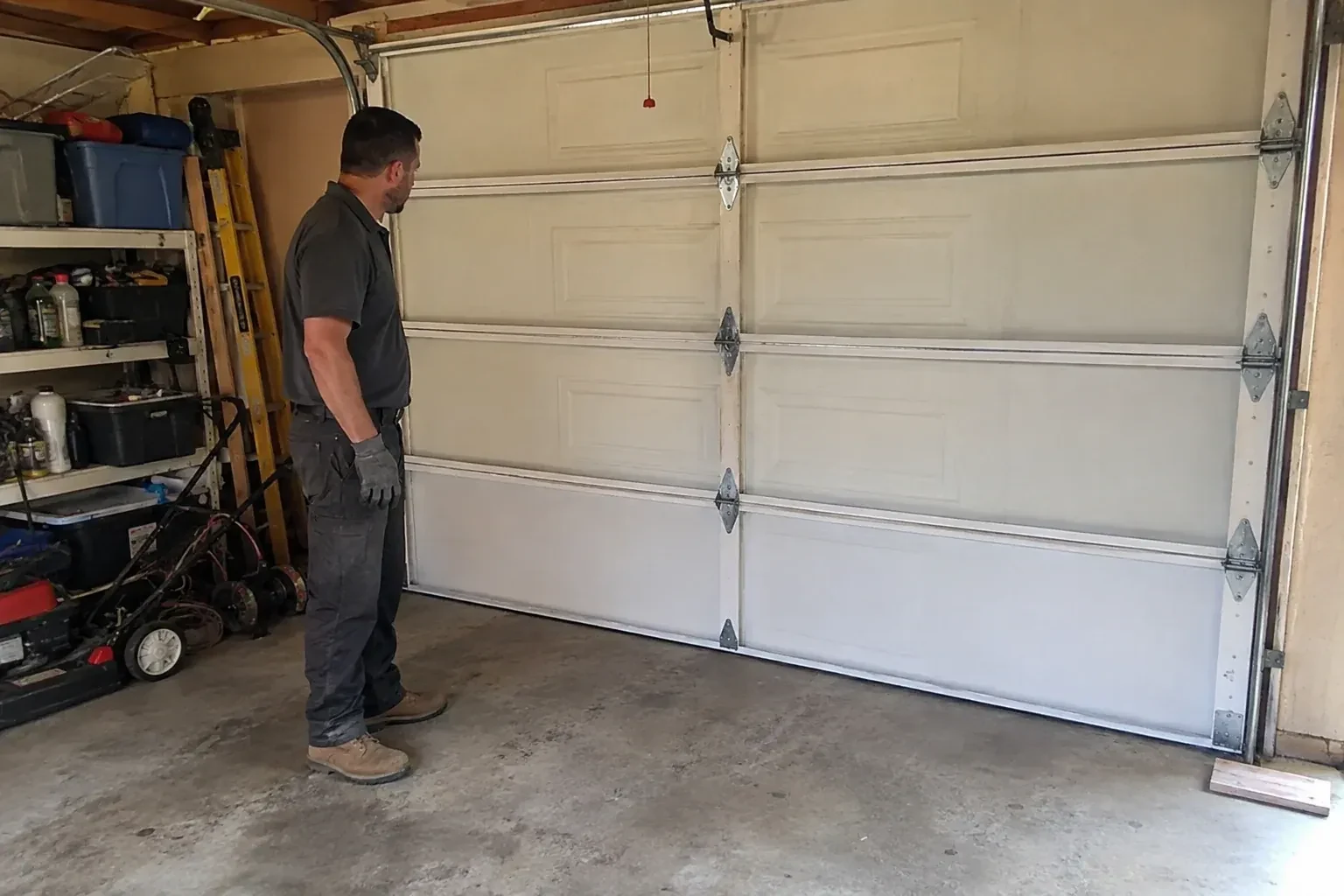
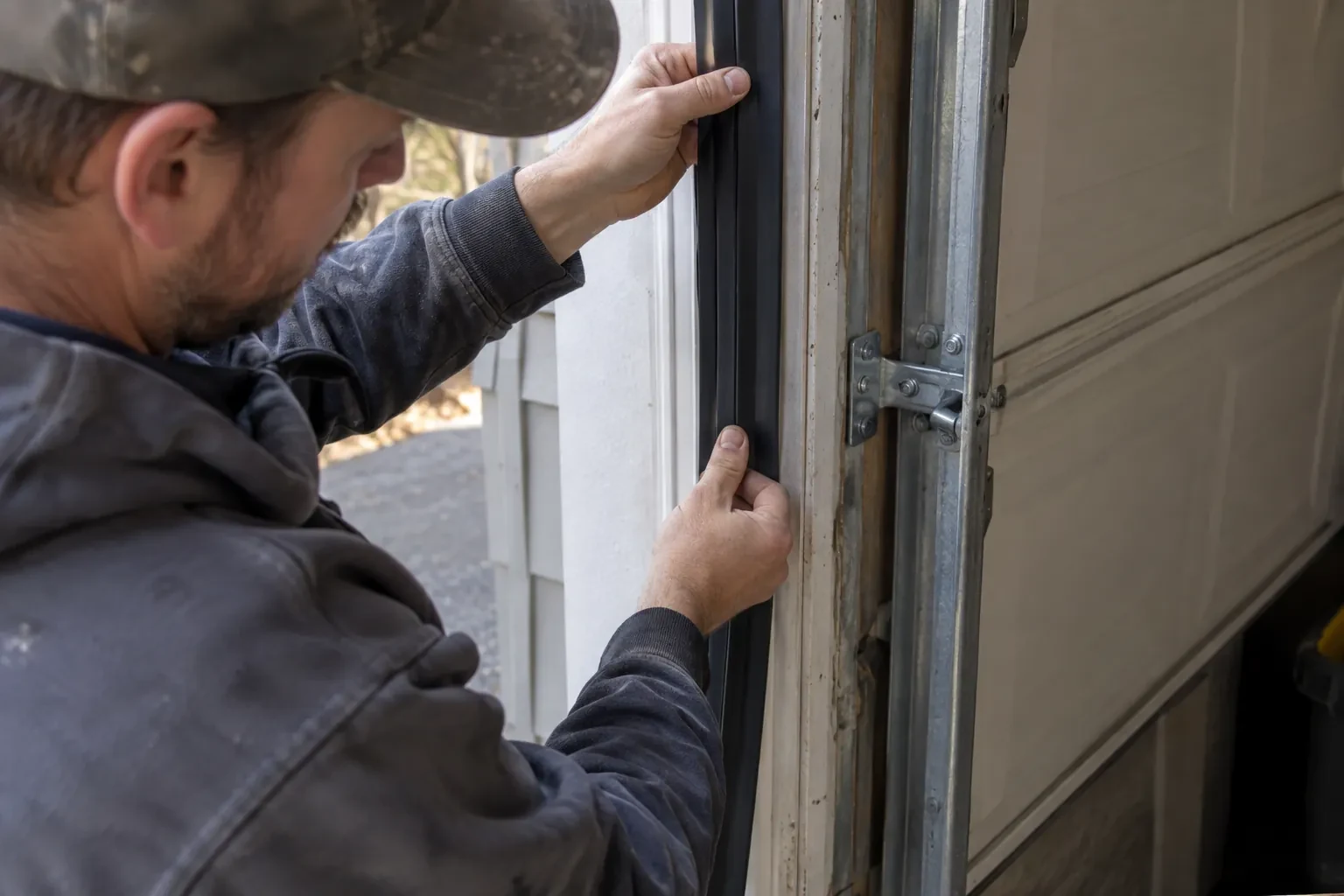
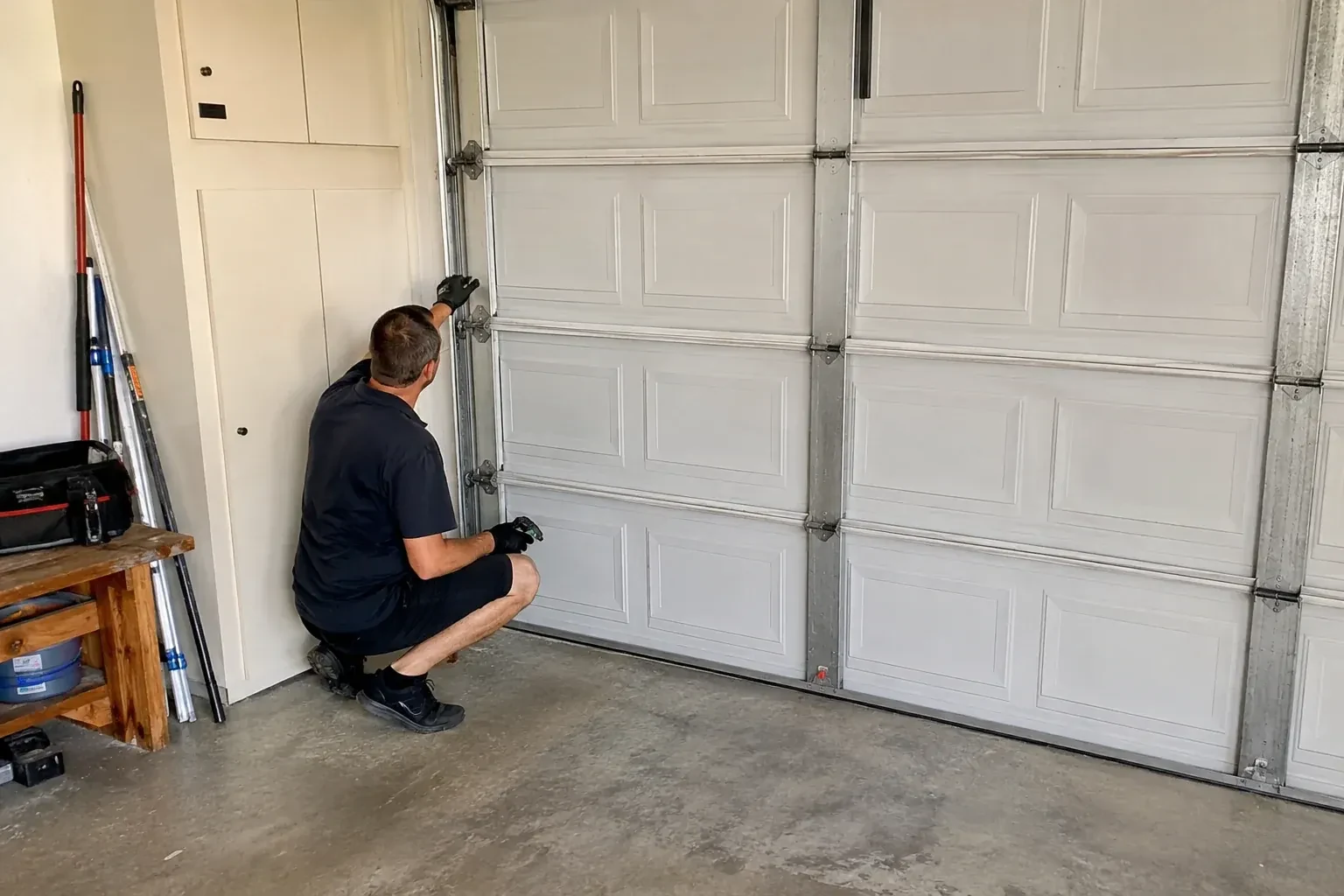
A creased bottom panel is a common sight in Toronto, and it rarely means a whole new door. We check the struts, hinges and track alignment, replace the damaged section when a match is available, and reinforce the panel so the door lifts straight and looks whole again from the street.
A creased bottom panel is a common sight in Toronto, and it rarely means a whole new door. We check the struts, hinges and track alignment, replace the damaged section when a match is available, and reinforce the panel so the door lifts straight and looks whole again from the street.
Small adjustments, long-lasting results.
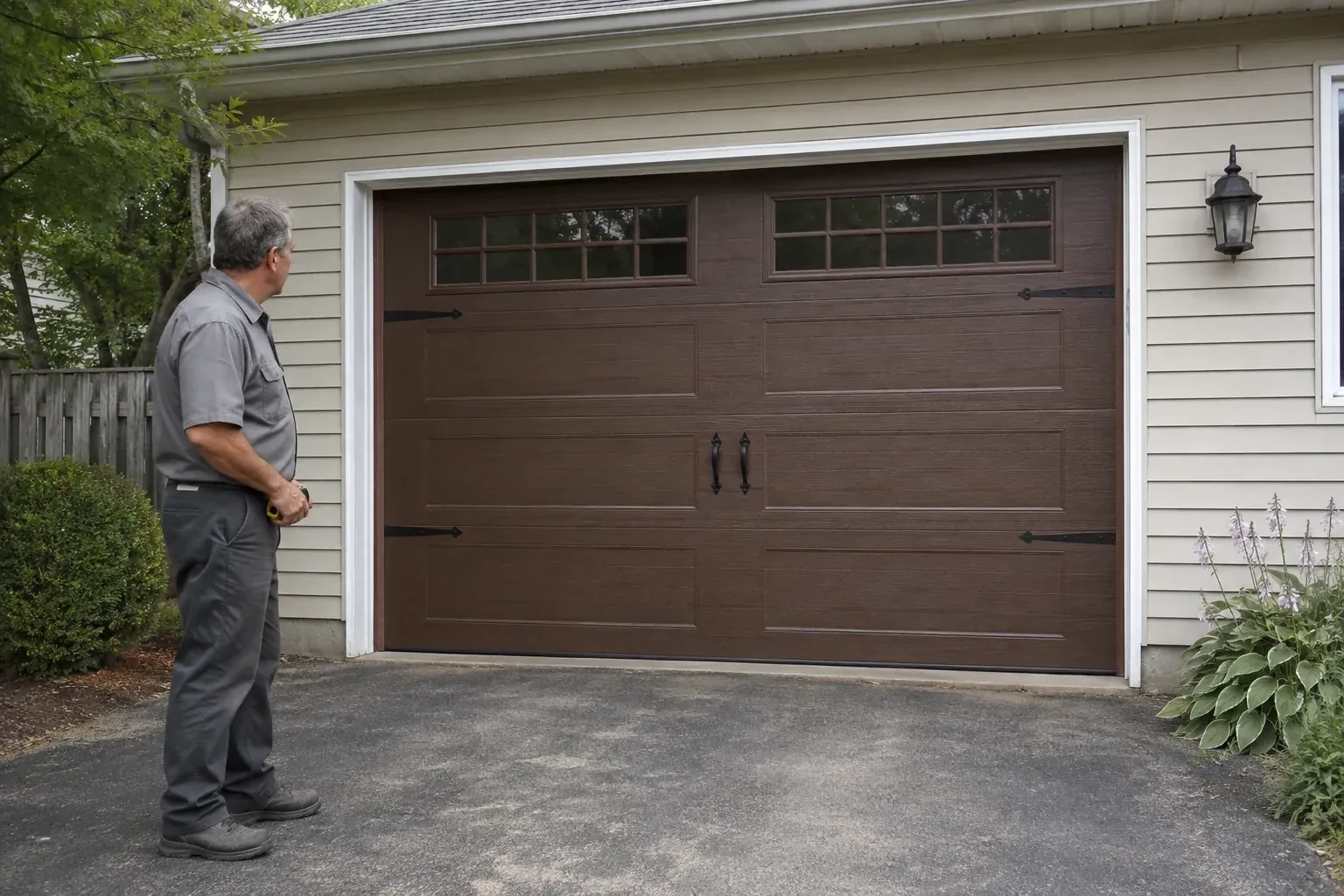
A new door for a home in Toronto is planned with more time than a repair. We measure the opening and headroom, talk through insulation, windows, colour and panel style, show samples at the house, and install the door and its hardware plumb, level and balanced so it looks and runs right from the first day.
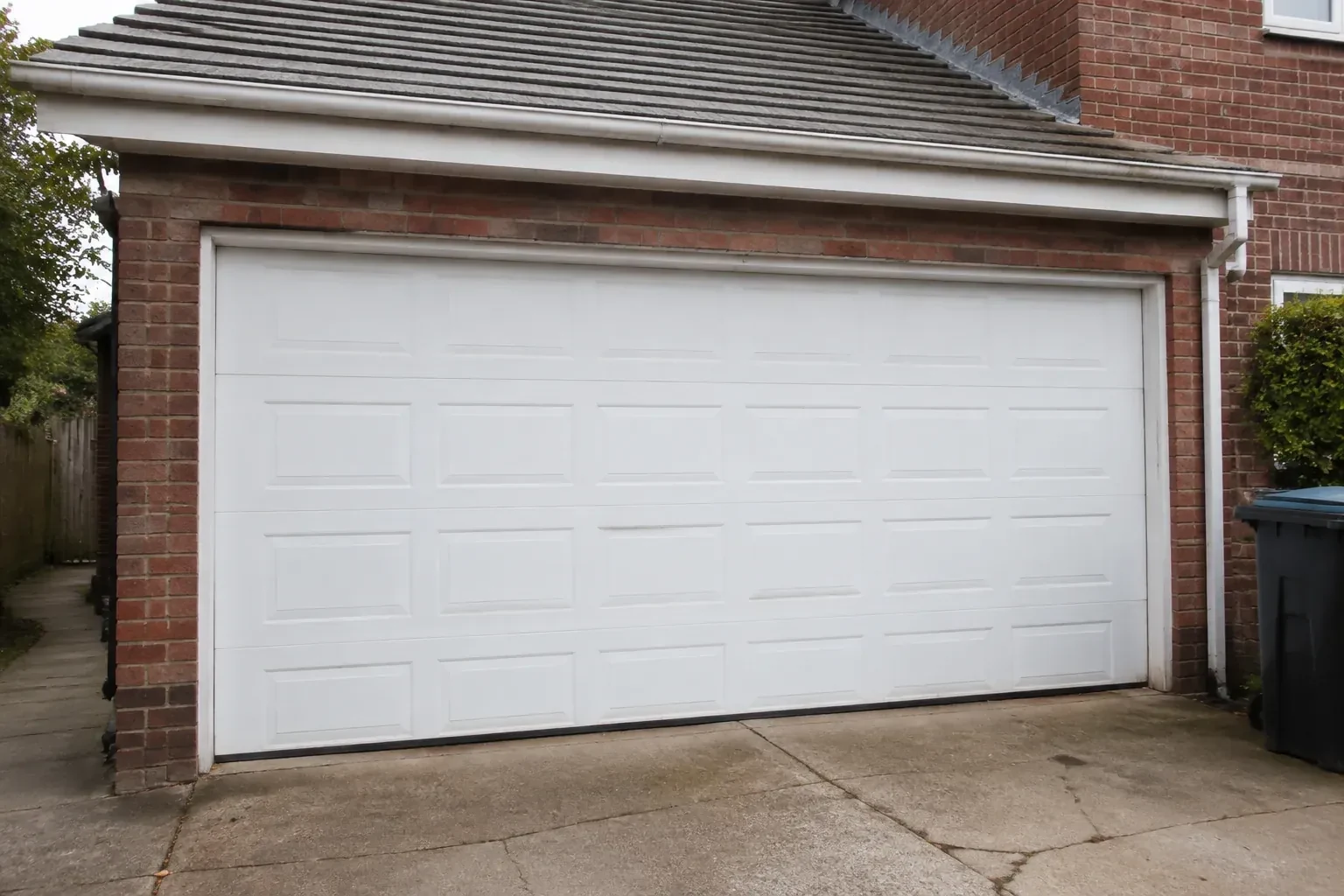
Many of the houses in Toronto have garage doors that are decades old, adjusted and patched over the years by more than one pair of hands. We work with that history rather than against it, bringing the door back into balance, replacing what is worn and being honest when a new door would serve the household better. Every visit ends with a full test and a clear explanation.
17years in business
24/7open every day
The diagnosis first. No work begins until you have heard what we found and agreed on the plan. That is how we avoid surprises on both sides.
A clean finish. Grease wiped from the tracks, hardware tightened, tools packed, the space swept. Tidy work is part of doing the job well.
Options explained side by side. A modest repair, a lasting one, a full replacement: you see how they compare so the choice is yours to make.
Set up a visit to your home or business in Toronto.
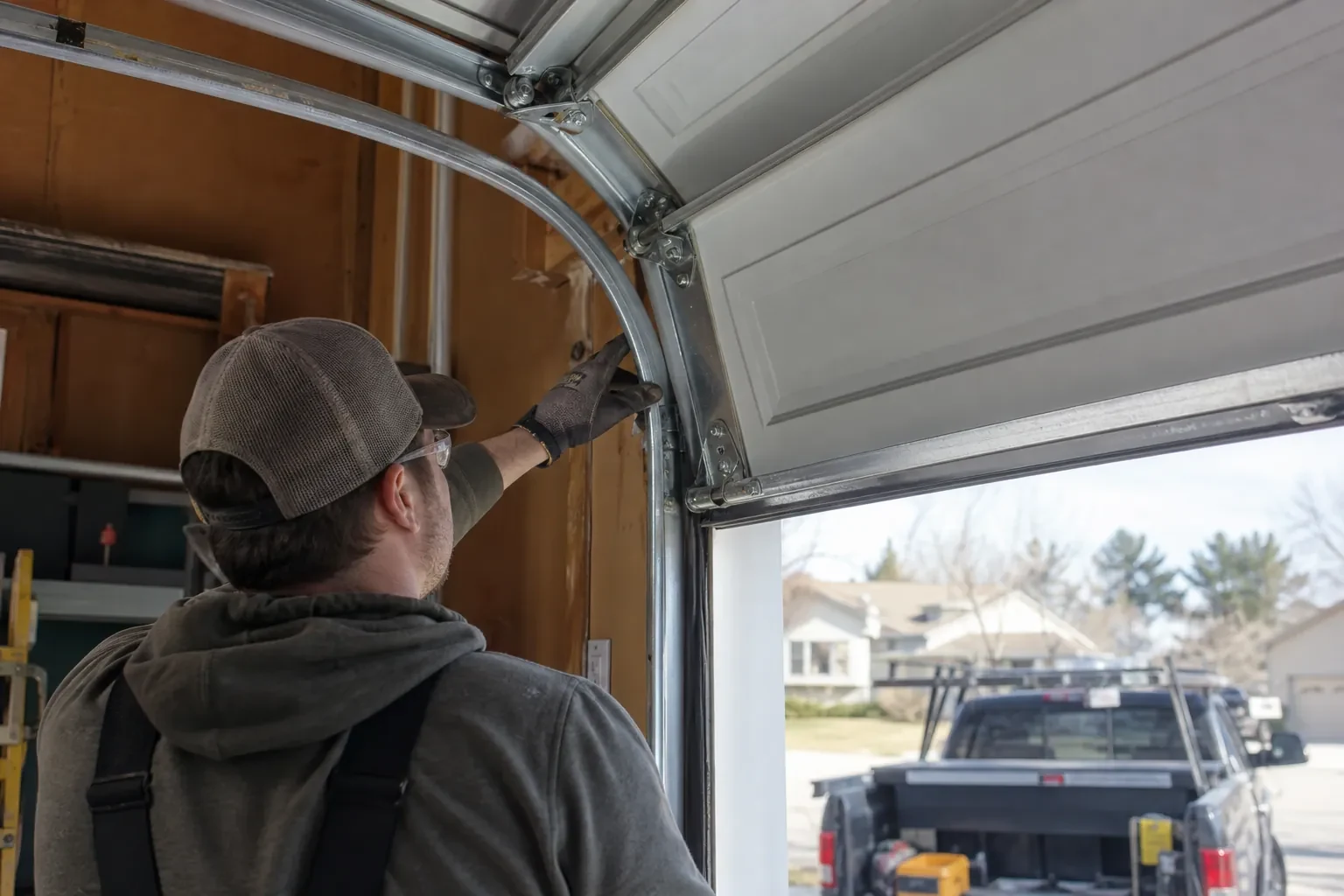
Whatever kind of door is on your building in Toronto, from a single wood door on an older house to a rolling steel door on a workshop, we have a service that fits it. The pages here explain what gets checked first, how the work proceeds and how to look after the result.
About 58% of homes in Toronto were built in 1980 or earlier, according to the 2021 Census.
Older homes
Wiring in an older garage may be a single outlet on the ceiling shared with the light, so a new opener is chosen with that in mind, and a battery backup covers the door during a power cut. The technician looks at the outlet before recommending a unit.
Single-detached houses make up about 23% of homes in Toronto (2021 Census).
Where most residents live in attached homes, a technician's day includes coordinating with neighbours: parking the van without blocking a shared lane, keeping noisy work to reasonable hours, and finishing a door in one visit so the row is not disrupted twice.
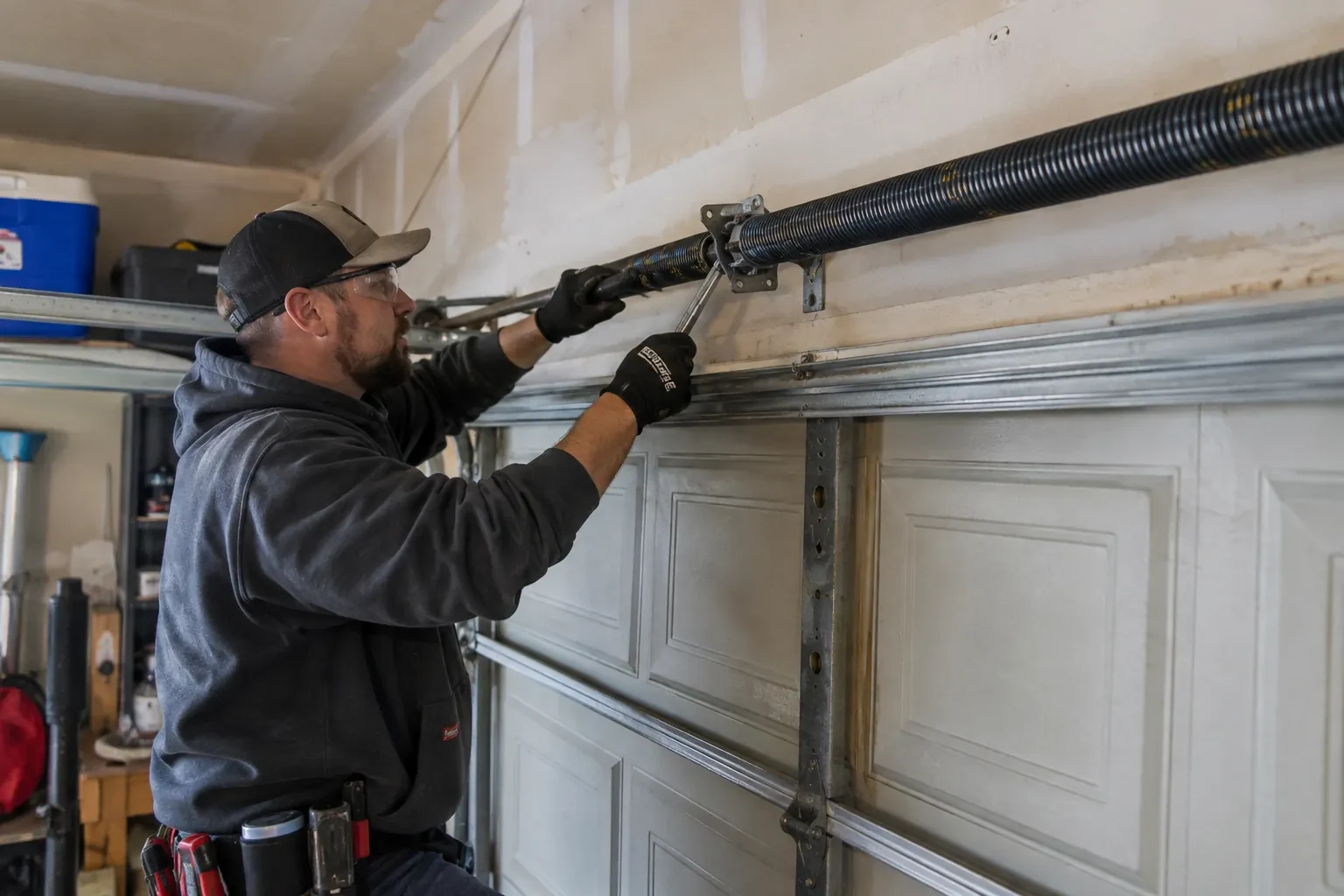
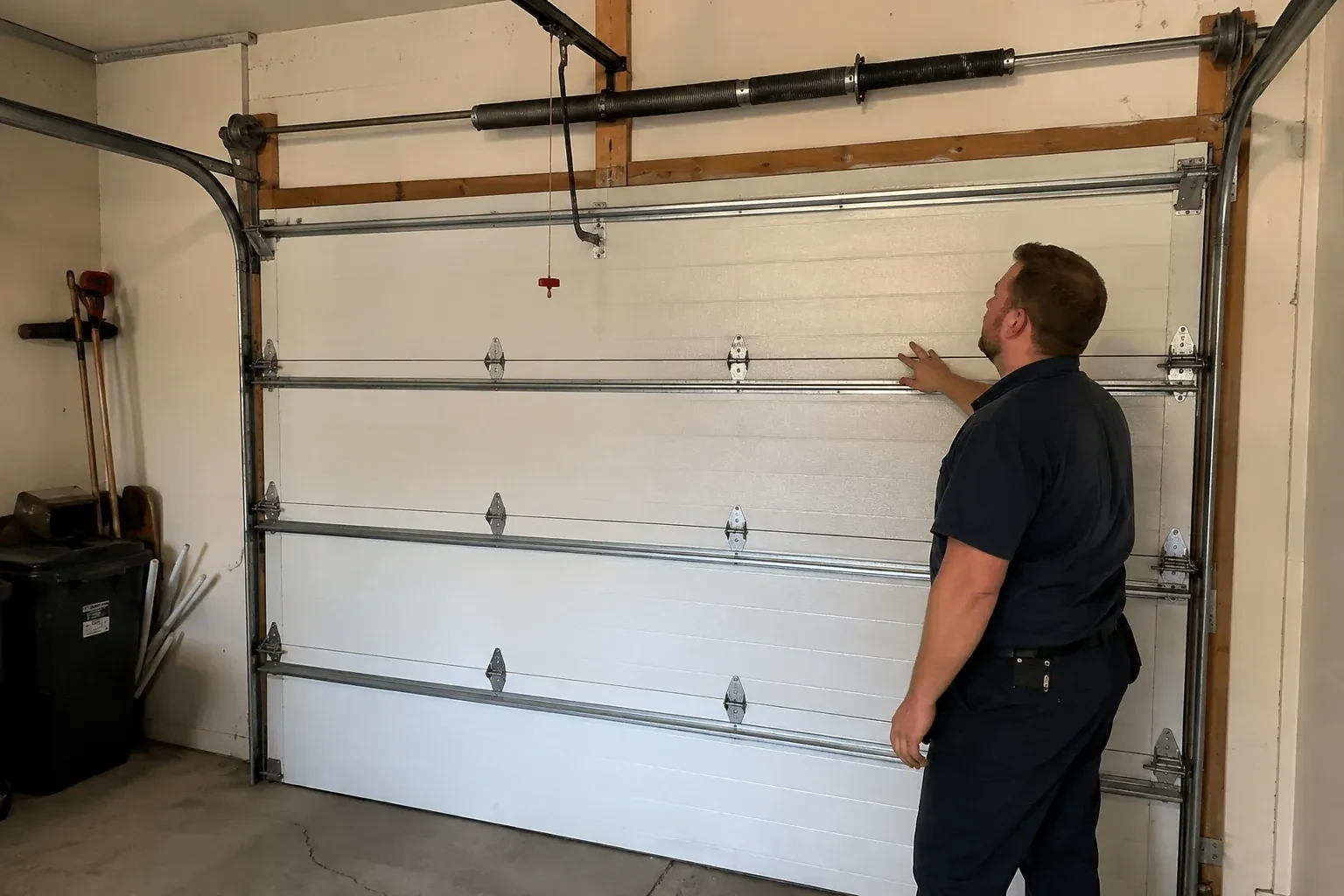
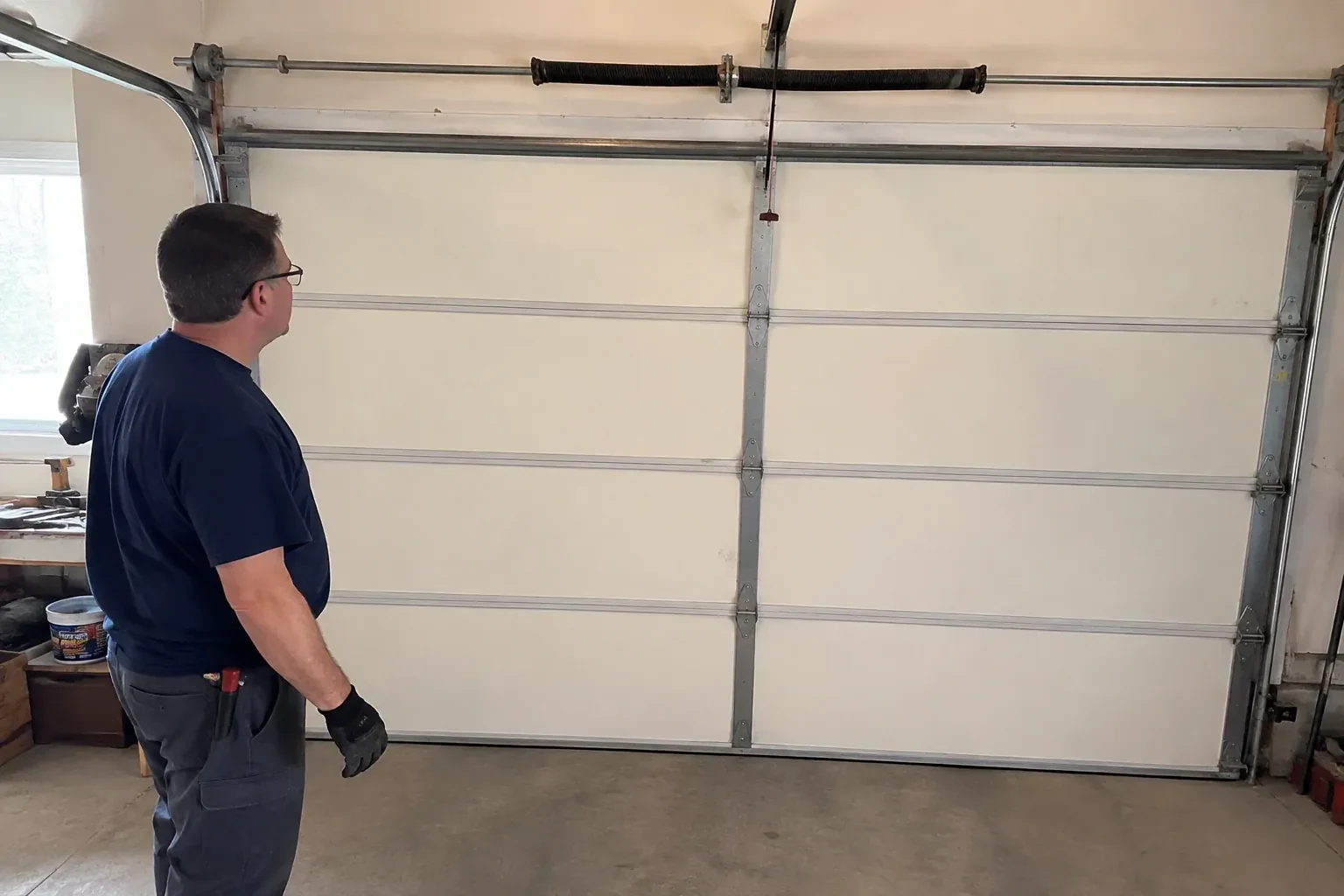
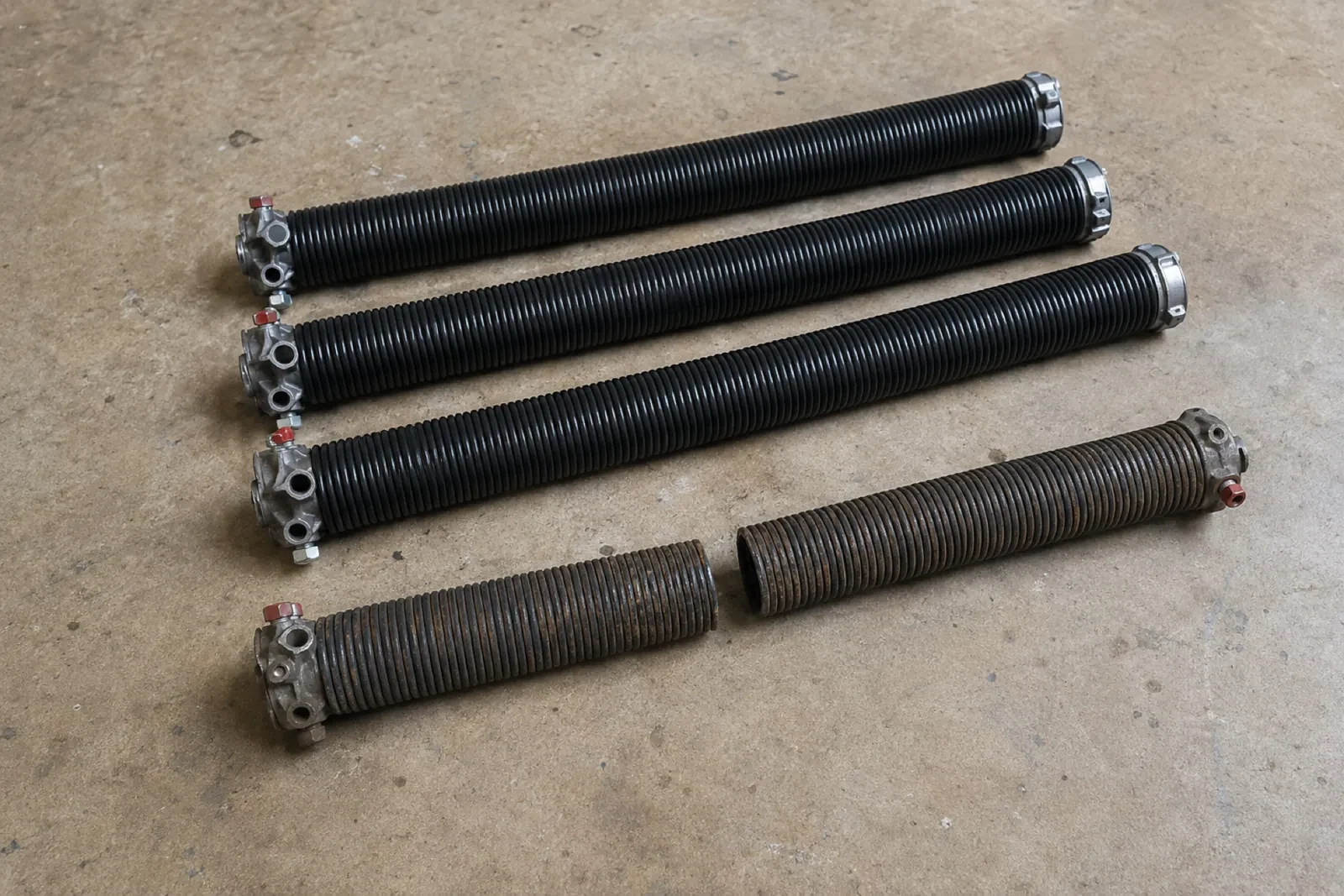
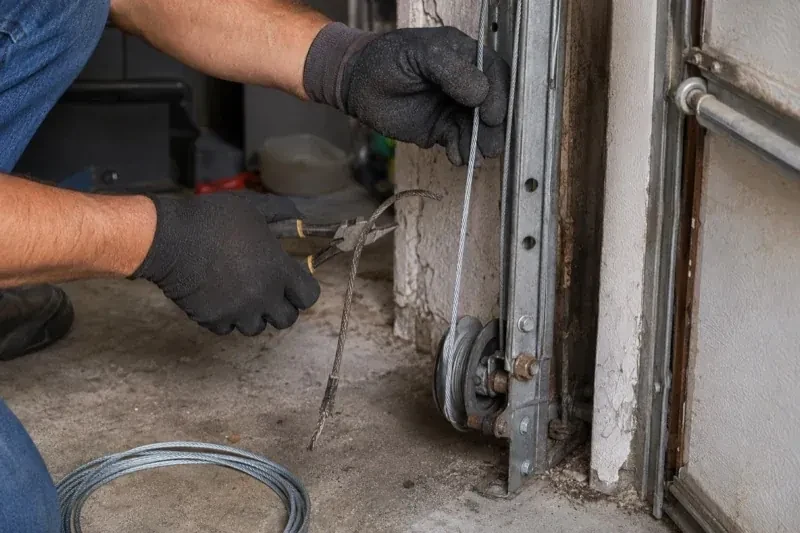
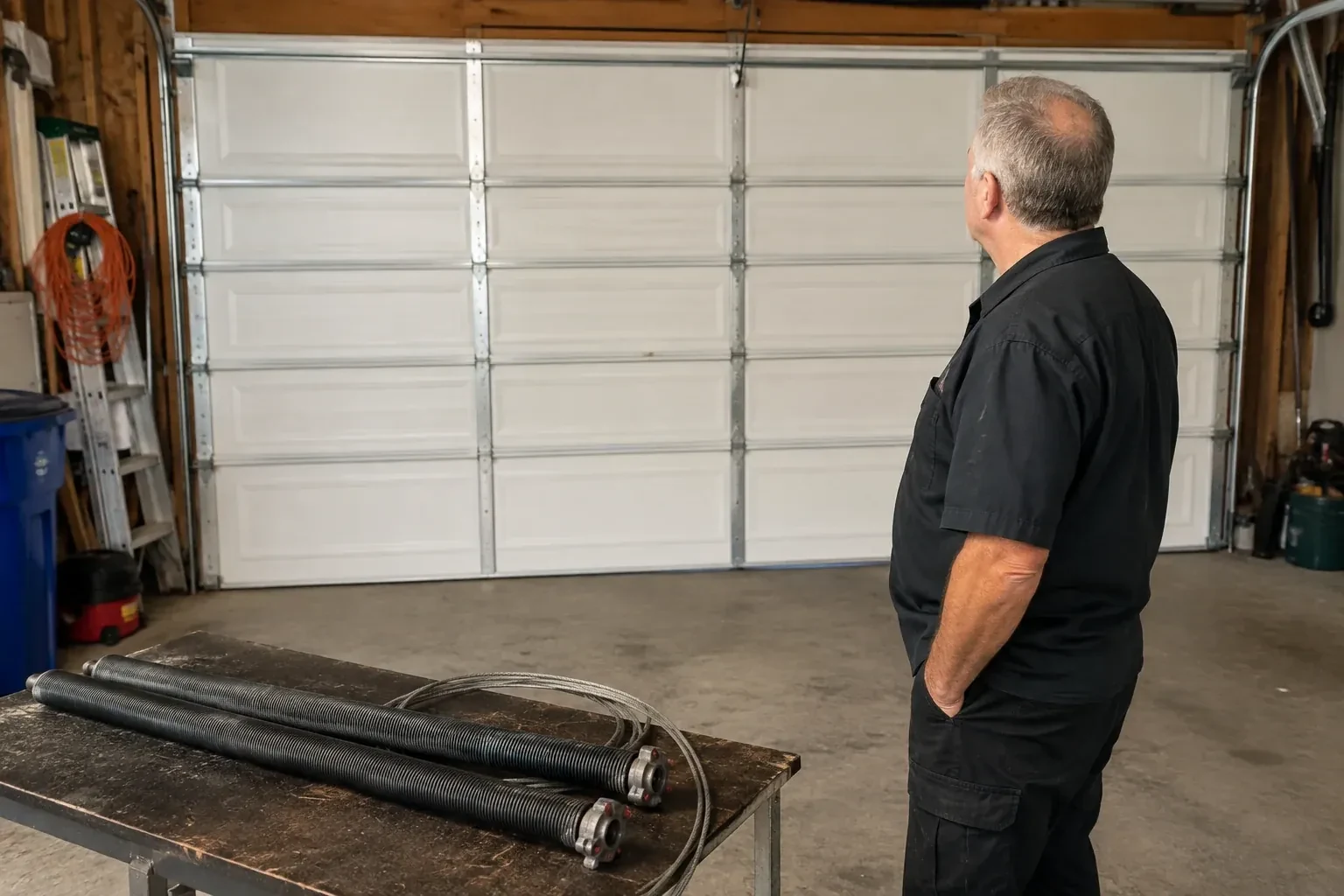
The lifting hardware takes the strain so the opener does not have to. We replace springs, cables and bearings before their wear passes down the line to more expensive parts.
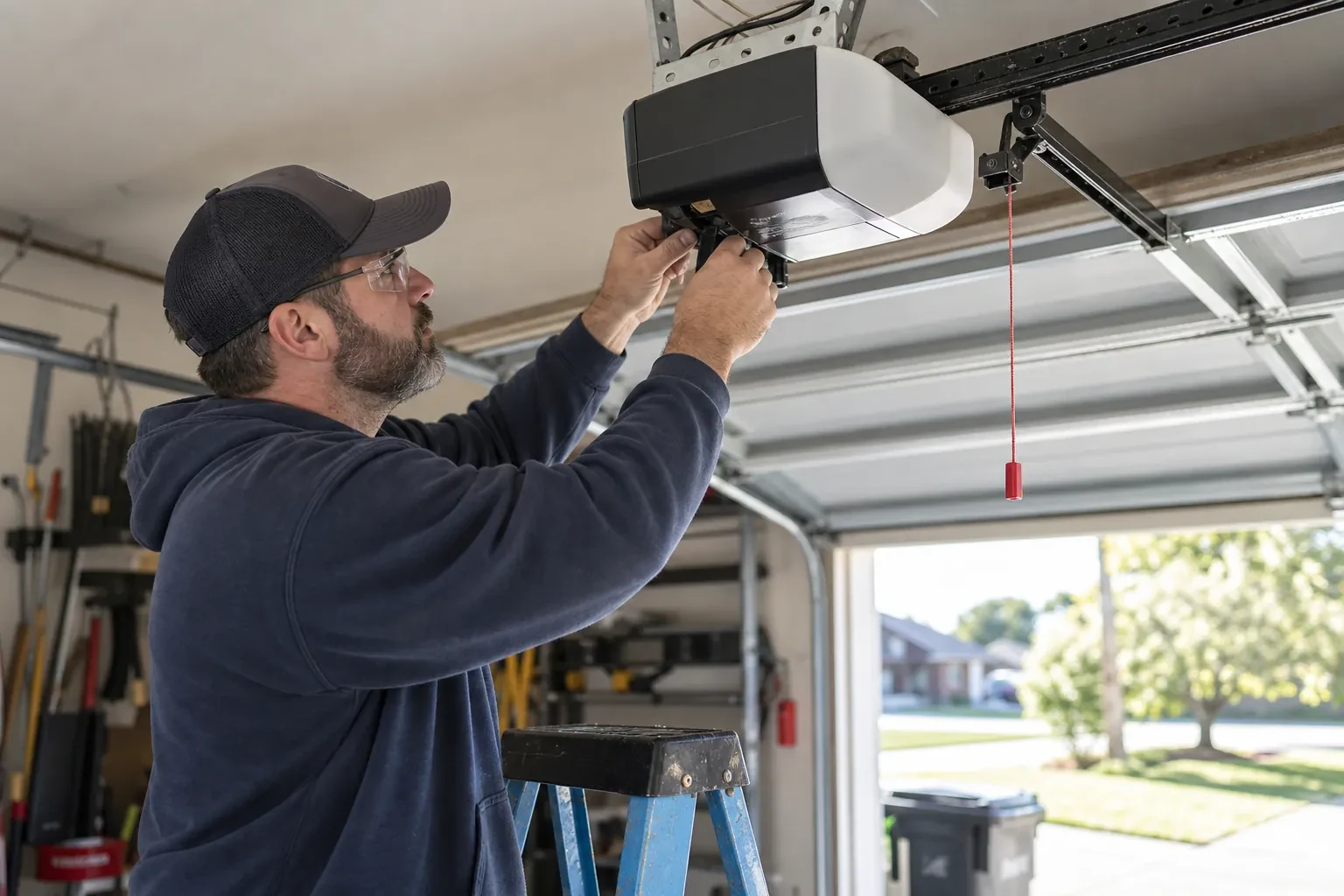
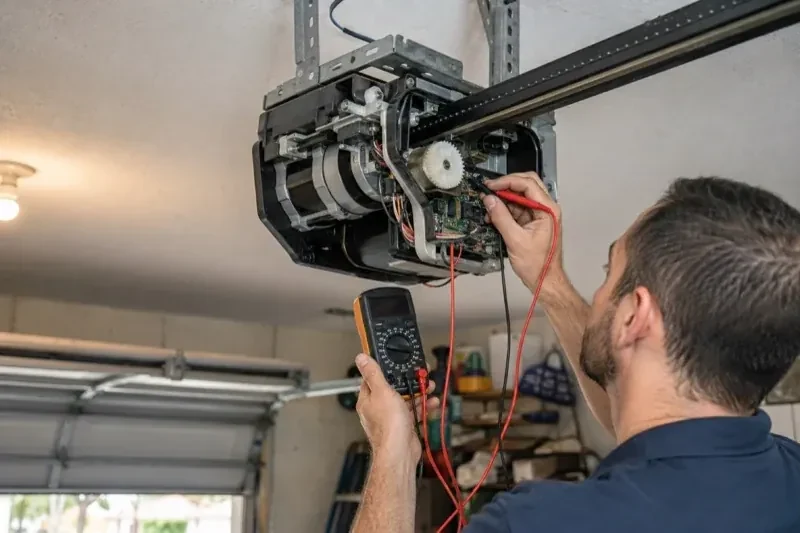
Press the button and the opener hums for a second, then quits. The trolley is jammed hard against a bolt at the very end of the rail near the motor and will not budge in either direction.
Press the remote and the motor runs its full cycle, lights on, the usual whir, but the door does not move a centimetre. Up at the trolley, the belt is hanging loose where a small plastic clip used to hold it.
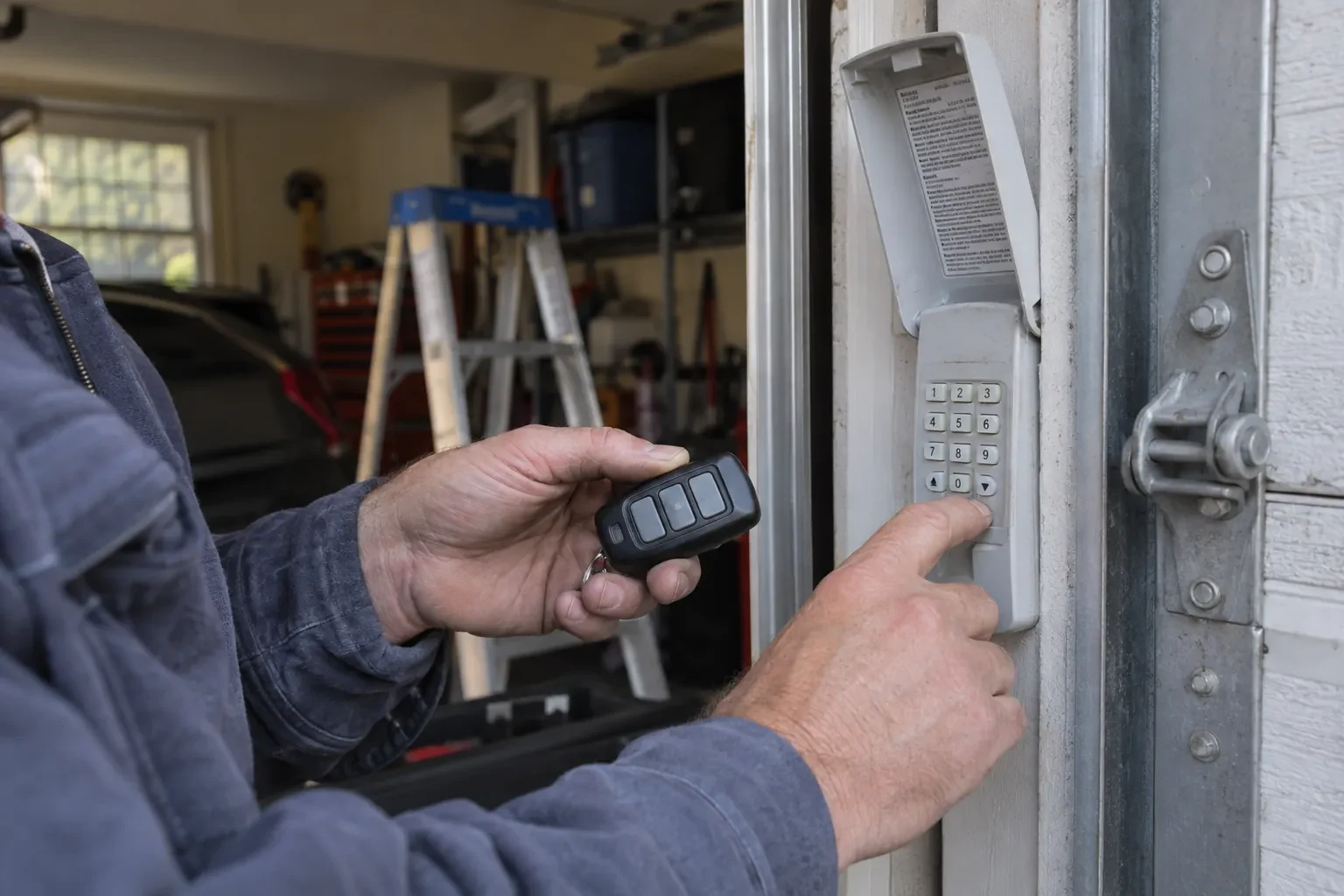
The remotes only work from the end of the driveway now, and one of them disappeared with a set of keys last month. Inside the remote are tiny switches instead of a learn button, so excluding the missing one means resetting the switch pattern on every remote and the receiver.
The new car has three buttons in the mirror for garage doors. You held the old remote up to it as the manual said, the light in the car changed, and yet the door ignores it completely.
The house came with a controller already screwed to the garage ceiling and a sensor on the door, but the app insists the device belongs to another account. The seller has moved provinces, the emails go unanswered, and every evening the door still reports to a stranger's phone.
A previous owner knotted the release cord around the rail and stacked storage shelves right beneath it. You only discovered this in the dark, with the power off, a flashlight in your teeth and a car that needed to be somewhere.
WhyThe project begins on paper before any sections arrive.
How a visit goes
Describe the property, the hardware and what has changed, and the visit starts from what you have seen.
01
Say what you noticed
A new noise, a hesitation, a gap at the bottom. Small observations point us to the right part before we even arrive.
02
Diagnosis you can follow
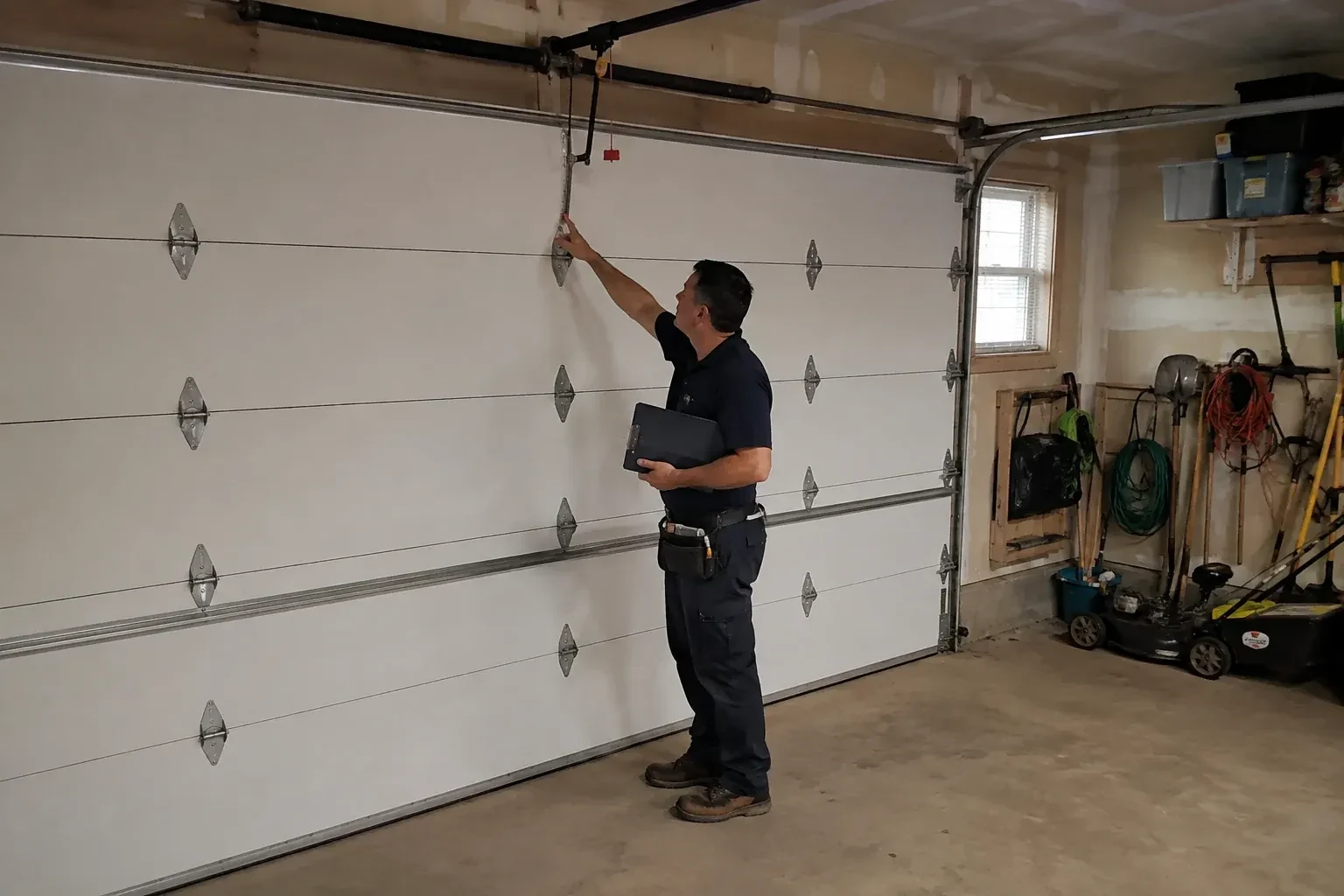
We show you what we find as we find it: the worn cable, the tired spring, the sensor out of line. No mystery about the cause.
03
Work done and shown
The repair is completed, the door tested through full travel, and the result demonstrated so you know exactly what changed.
An entrance. Not an afterthought.
1/10Garage Door Tune-Up
Halfway up, the door shudders. The sections seem to catch for a moment, the whole assembly shakes, then it carries on as if nothing happened. You have started holding your breath at that spot each time.
A stray ball went through one of the window panes in the top section. The glass is gone, the frame around it is cracked, and the steel beside the opening is pushed in, so the whole section is in question rather than one pane.
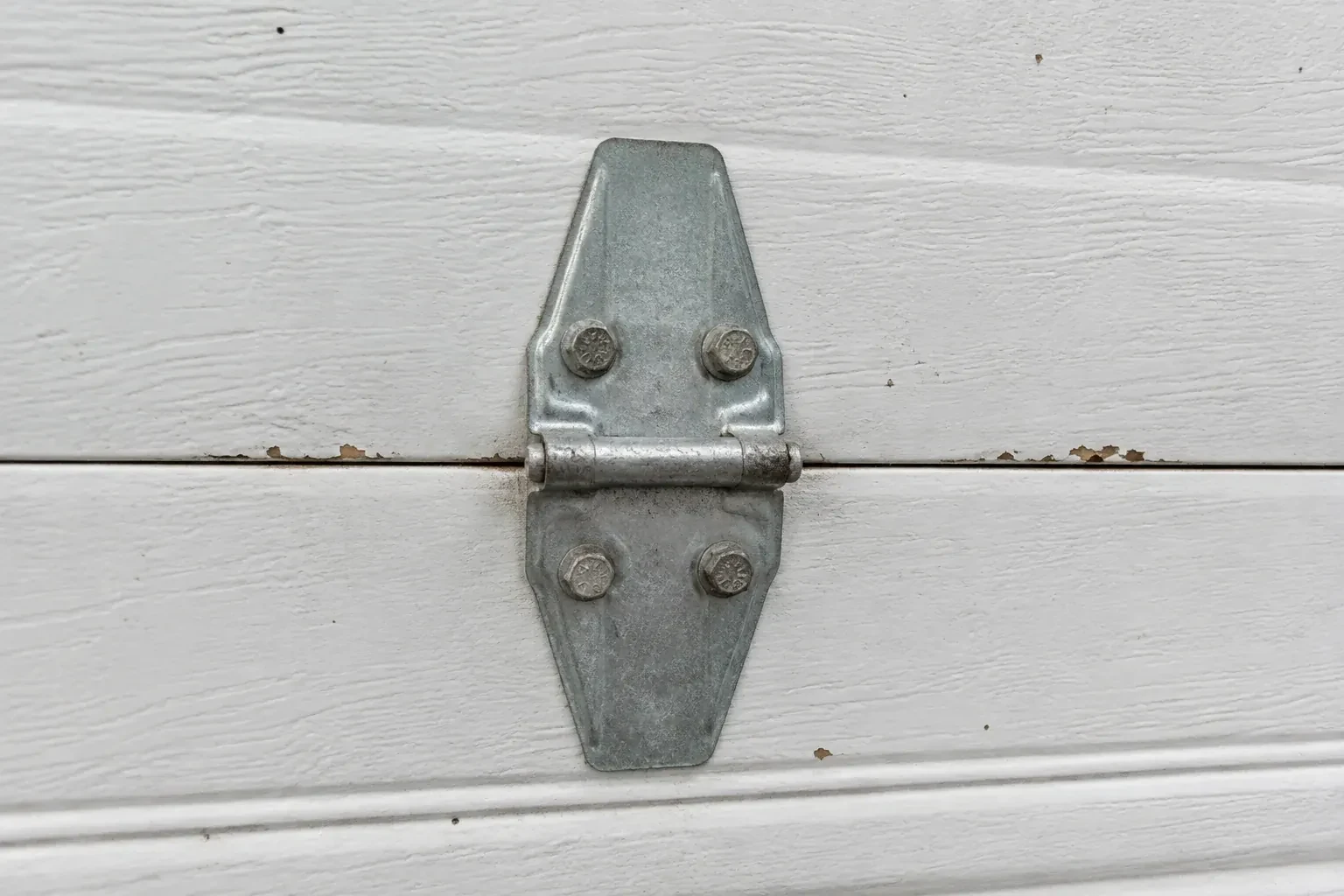
Pressing a hand against one of the middle hinges makes it rock on the panel. The screws turn and turn without ever tightening, and there is a rattle from that spot every time the door settles onto the floor.
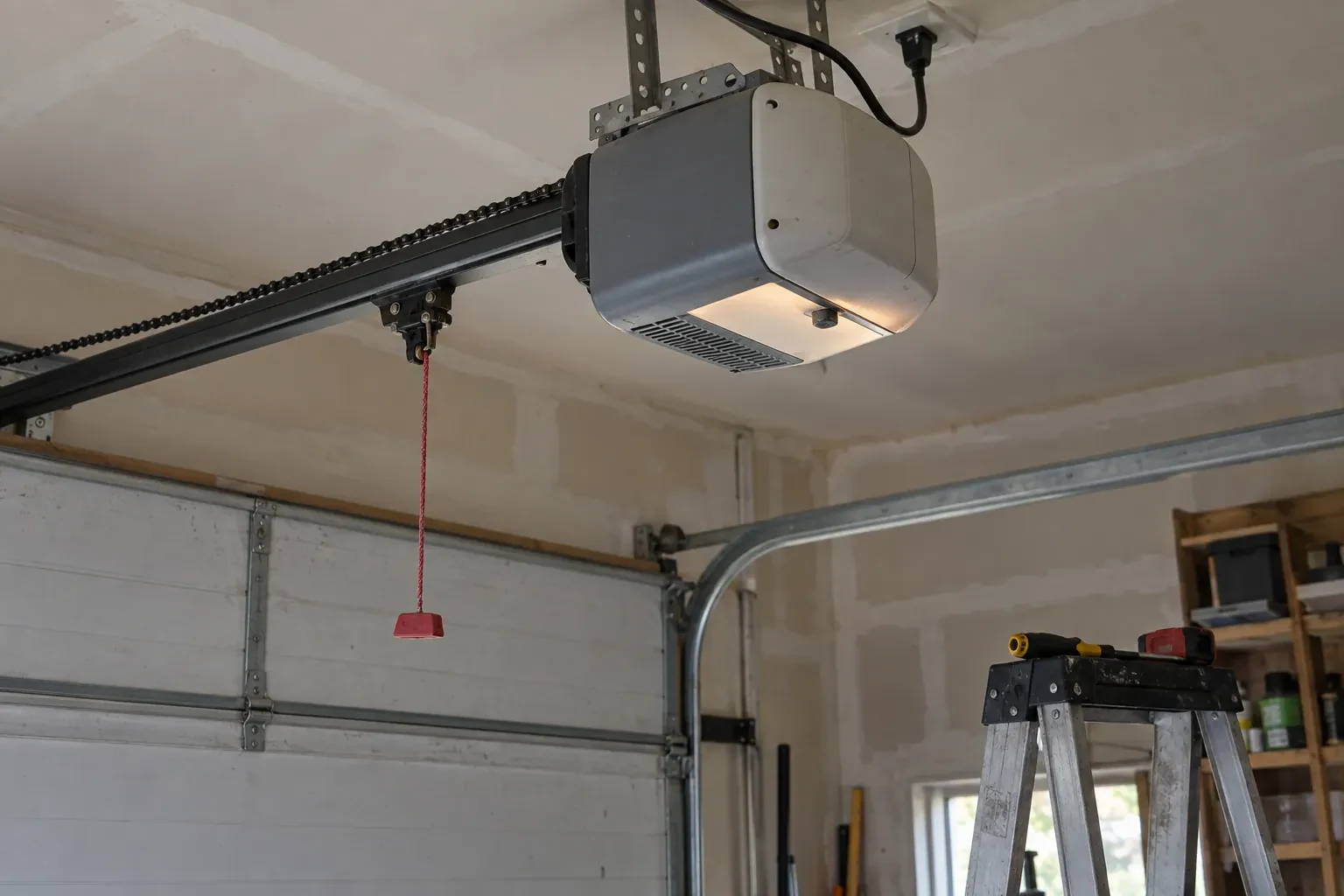
The opener has started to groan on the way up. The door climbs slowly, hesitates near the top, and on the way down it sometimes stops a hand's width above the floor and reverses, as if something were in the way when nothing is.
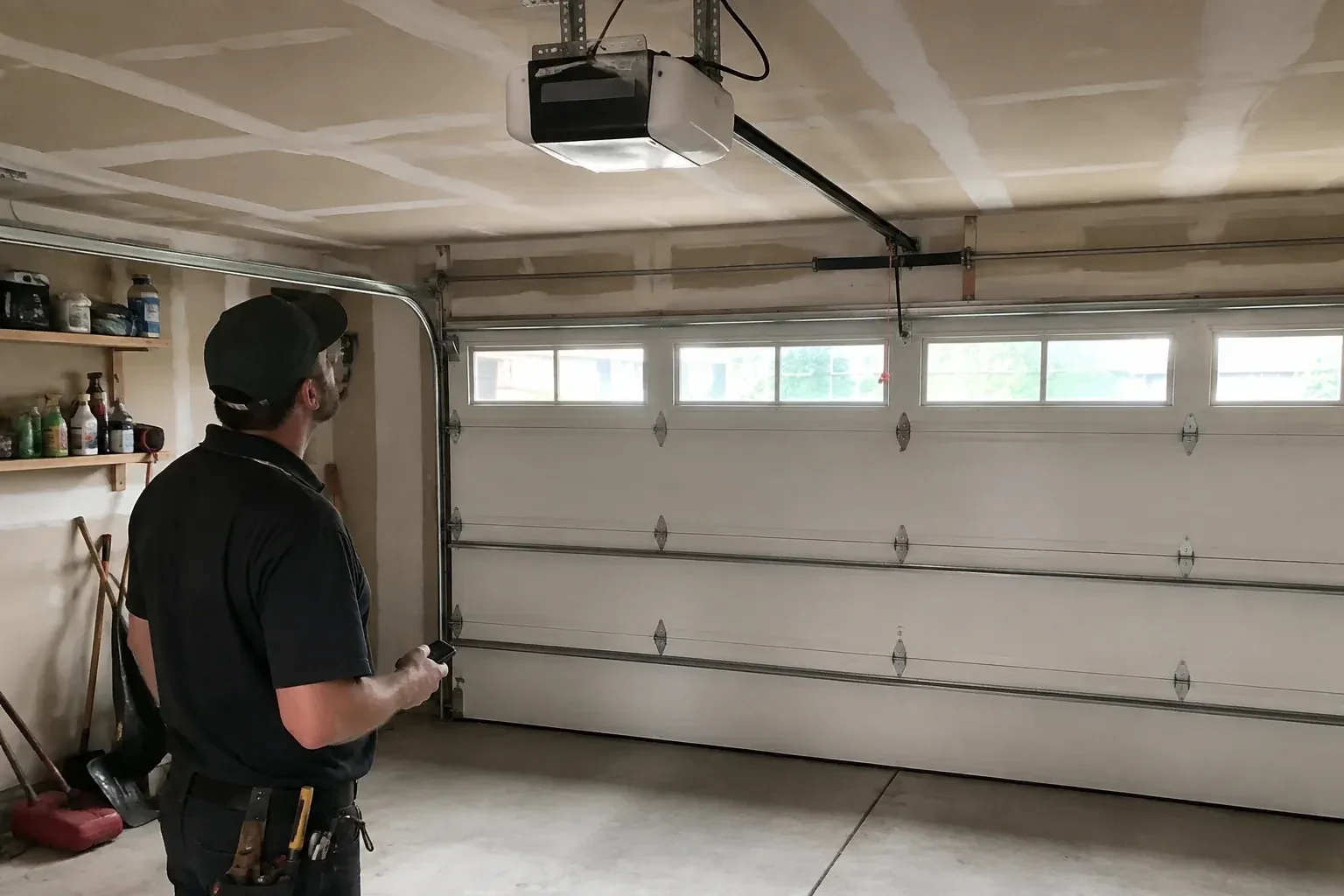
You swapped the old wooden door for a heavier insulated steel one, and the twenty-year-old opener that was kept has never settled. It strains on the way up, stops partway on cold mornings, and the rail shudders with every cycle.
Your daughter gets home from school an hour before anyone else. She has lost two house keys this year, and the garage keypad code has been shared with half her class. You would rather open the door from your desk and know the moment she is in.
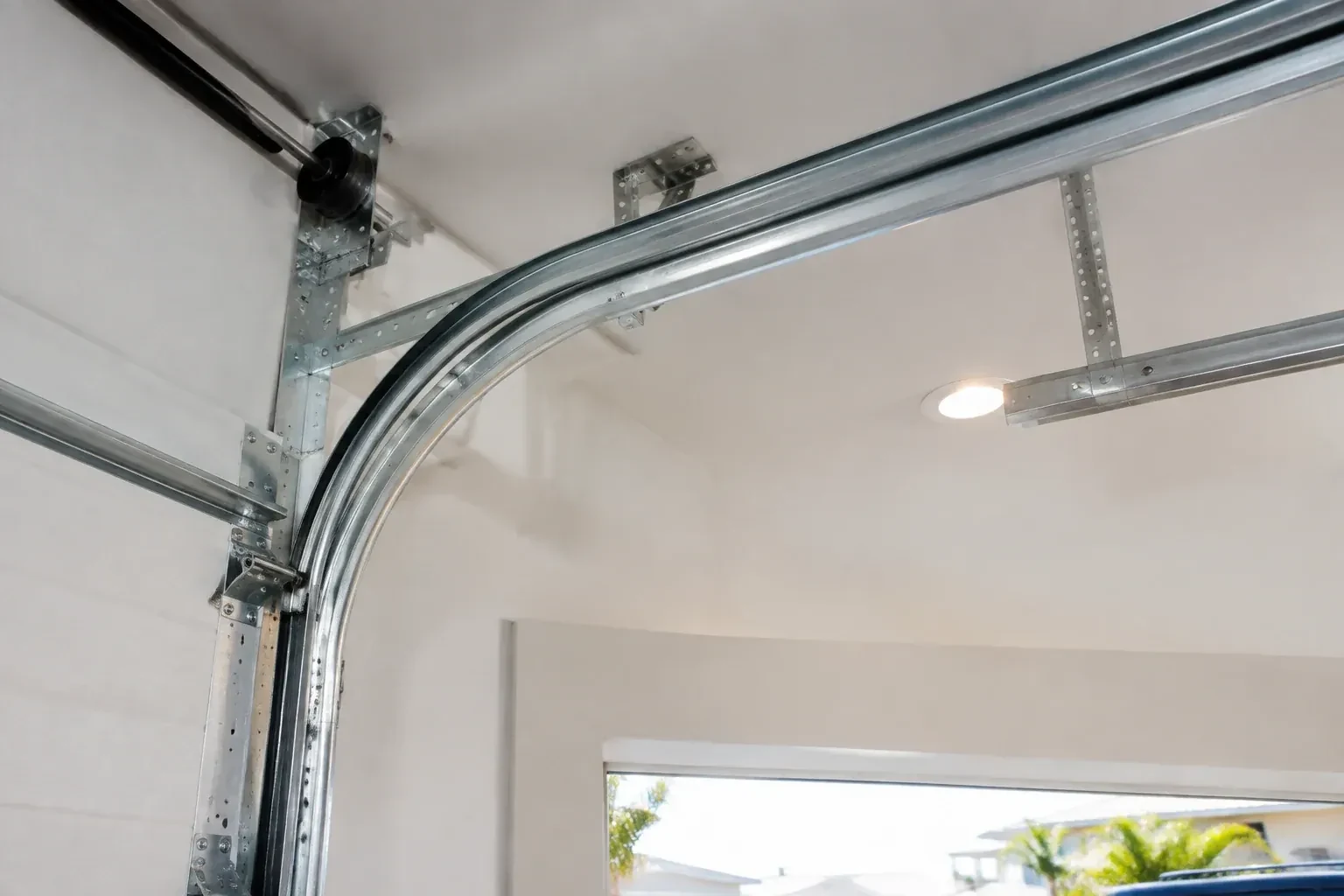
The door shakes through the curved track, hinges have loosened in worn mounting points, and repairs now involve several parts at once. A coordinated new system offers a cleaner path than chasing wear across the assembly.
Your garage is becoming a workshop, but the thin single-skin door rattles, sweats and lets outdoor temperatures shape the whole room. You want a stronger sectional assembly suited to the way the space is now used.
Cold air is noticeable around the current door, especially near the floor and section joints. This replacement is an opportunity to combine carriage-house styling with insulation and properly fitted perimeter seals.
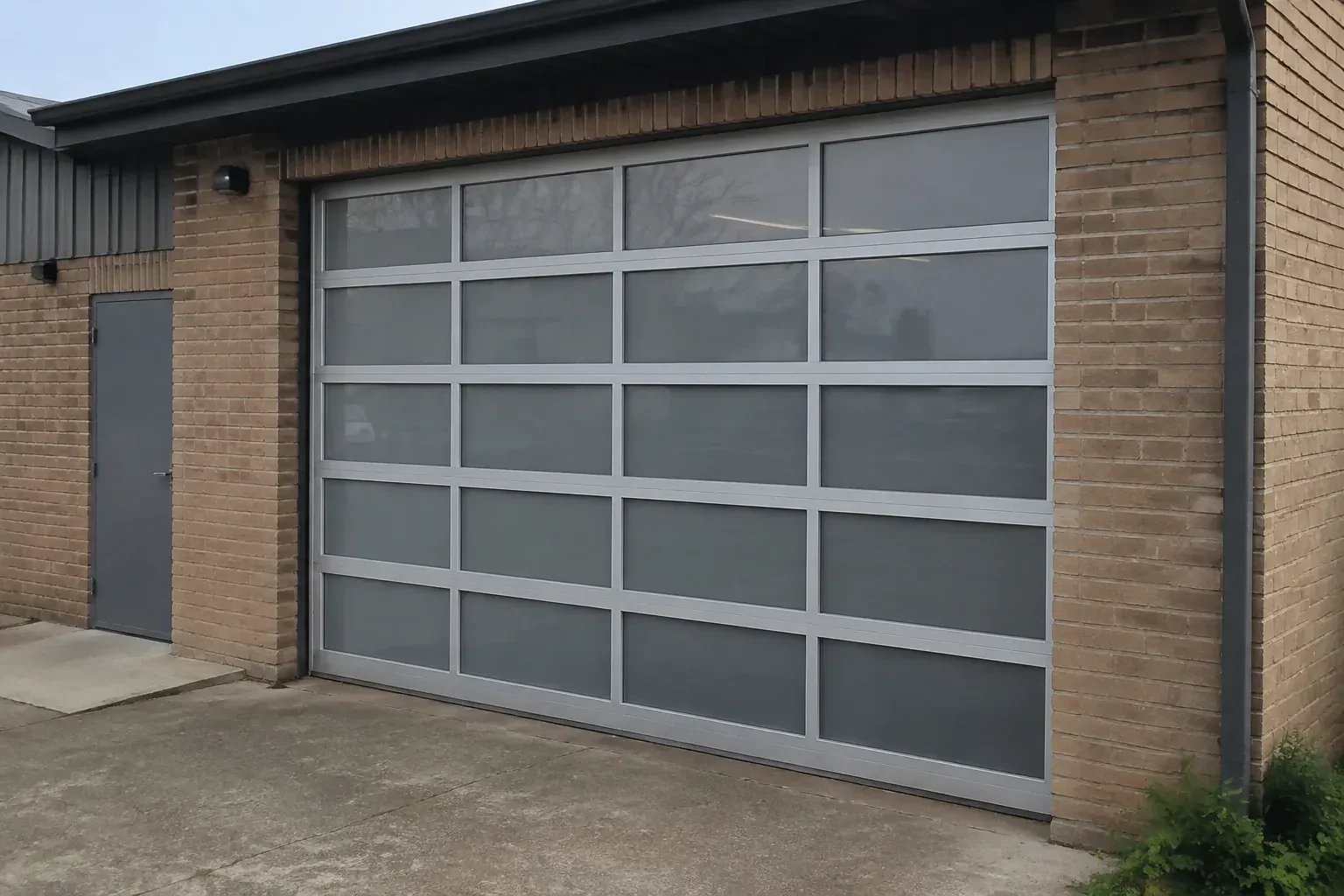
You like the brightness of clear glazing but not a direct view of everything stored inside. Frosted, tinted or obscure panels would let the new door share light while providing practical privacy.
The sensor light is blinking. What does that mean?
On most openers a steady light on each photo-eye means the pair are aligned and seeing each other, and a blinking light means the beam is interrupted or the sensors are out of line. Common causes are a bracket nudged by a bin or a tire, dust or salt film on a lens, low sun at a certain hour, or a chafed wire. During a tune-up the lenses are cleaned, the brackets straightened, the pair realigned and the wiring checked back to the opener.
Why is the bottom section handled differently from the others?
The bottom section is where the lift cables attach, through the bottom brackets at each end, and those cables are under the full pull of the springs. Before the brackets come off, the springs have to be unwound or unhooked so the cables go slack. The bottom section also carries the seal retainer and astragal that meet the floor. After the new section is in, the springs are re-tensioned and the balance reset.
Do the rollers get replaced with the hinges?
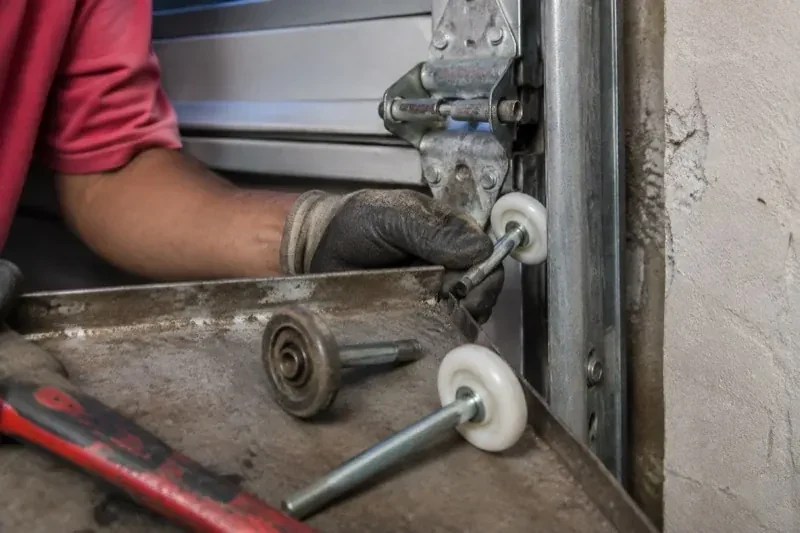
They are checked every time and replaced when they need it. The roller stem sits in a tube on the edge hinge, so when that hinge comes off the roller is already in hand, and fitting a new one adds a minute. A wheel that is cracked, flat-spotted or grinding on its bearing is the sort of thing that strained the hinge, so leaving it would ask the new hinge to carry the same load.
I added insulation panels to my door. Does that affect balance?
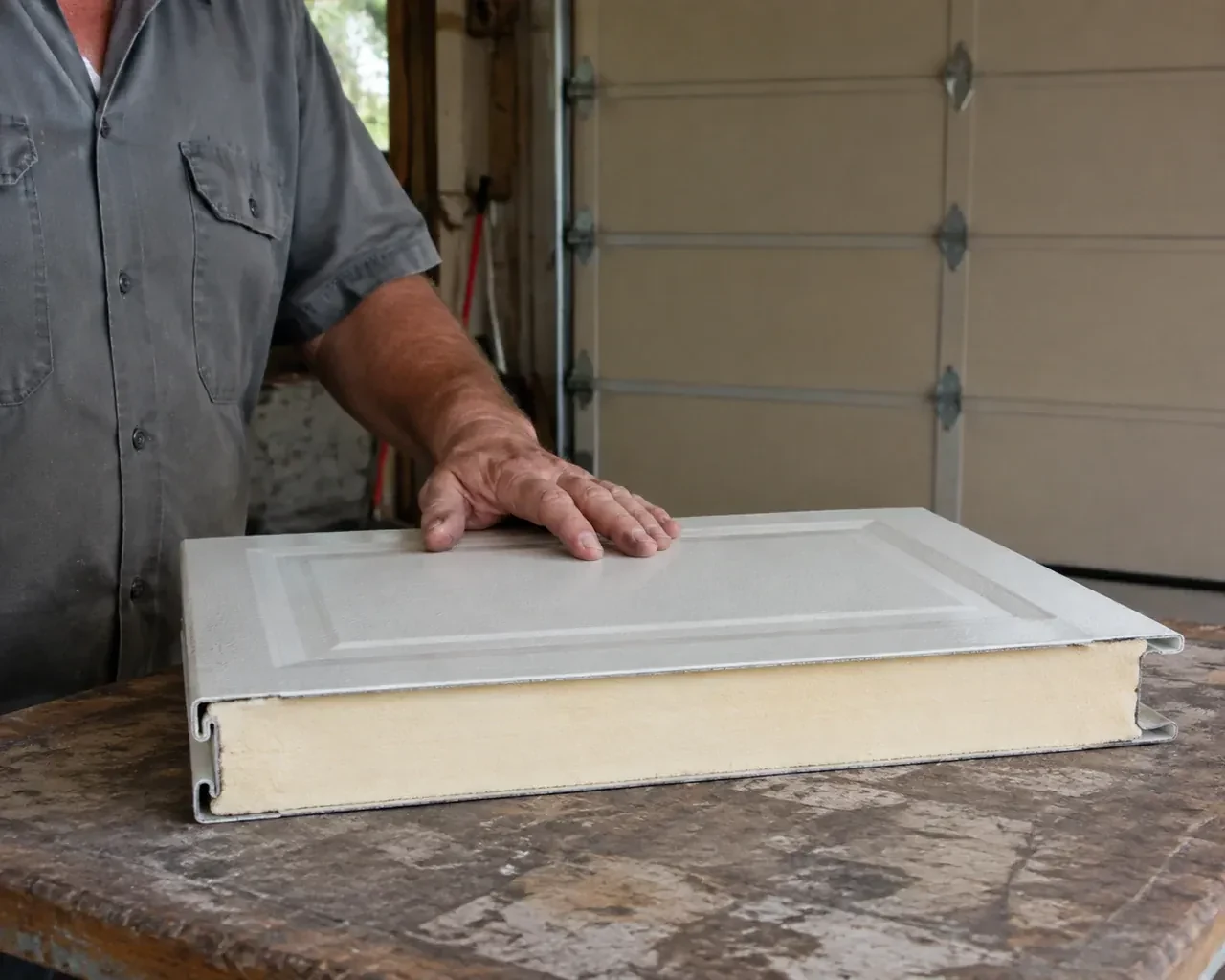
Yes, and it is one of the most common reasons a door starts to sink. Springs are matched to the door's weight, and insulation kits, replacement sections, windows or a heavier seal add weight the original springs were not sized for. A technician can weigh the door and either add tension to suit it or, if the added weight is beyond what the springs can carry, specify new ones.
My old photo eyes still work. Can they stay?
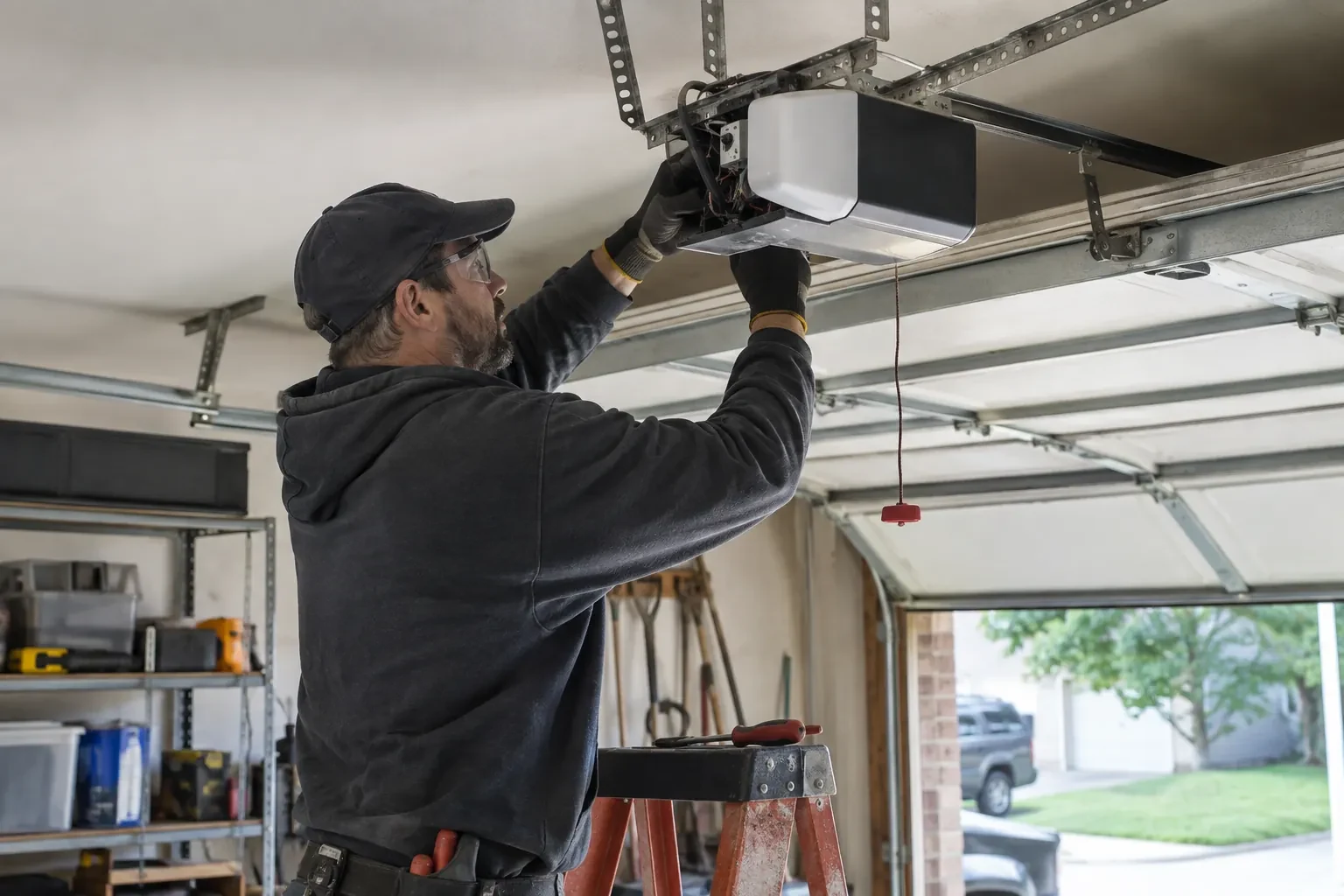
Sensors and head unit are made for each other; a board reads its own maker's sensors, often a particular generation of them, so the pair in the box is what goes on the wall and the old ones come down with the old opener. The new pair sits low at each side of the doorway, roughly a hand's width above the concrete, and the technician confirms their indicator lights are steady before the door is tested against the beam.
Do you need my Wi-Fi password?
No. The technician will ask you to type it into the app yourself at the right moment and will look away while you do. The same goes for the account password and any verification code. The technician needs to see that the hub has joined and that commands work, not the credentials that made it happen. If you do not know your network password, find it before the visit; it is often printed on the router.
What should I move before the installation visit?
Clear vehicles, bicycles and stored items from the door's path and from the areas beside the jambs. Make overhead track and spring locations accessible, and identify anything delicate nearby. The technician can explain the required working area during measurement, especially where shelving, ceiling storage or a shared driveway affects access.
Can the new door use my old tracks?
A replacement is normally planned with track designed for its section thickness, rollers, weight and required clearances. Old track may look similar while having a different spacing, curve or support arrangement. The installer identifies every component and follows the selected door maker's compatibility information before proposing reuse. Treating panels and track as one system supports clean travel and correct perimeter positioning.
Which materials are used for carriage-house garage doors?
Common choices include embossed steel sections, insulated steel with composite overlays, and wood or wood-faced sectional construction. They differ in weight, surface depth, grain, moisture response and care. Samples are helpful because photographs can flatten texture and alter colour. The chosen construction also guides spring sizing, reinforcement, fasteners and the kind of finish maintenance expected later.
What should I move before the installation visit?
Clear vehicles, bicycles, shelving on wheels and stored items from the door path and the areas beside the tracks. The crew also needs an unobstructed route for glazed sections and a clean staging space on padded supports. Mention fixed cabinets, ceiling storage, vehicle lifts or delicate flooring early so protection and handling can be planned around them.
Request a visit
A new door for a home in Toronto is planned with more time than a repair. We measure the opening and headroom, talk through insulation, windows, colour and panel style, show samples at the house, and install the door and its hardware plumb, level and balanced so it looks and runs right from the first day.