Garage Doors in The Golden Mile, OntarioBumped the doorbacking out?
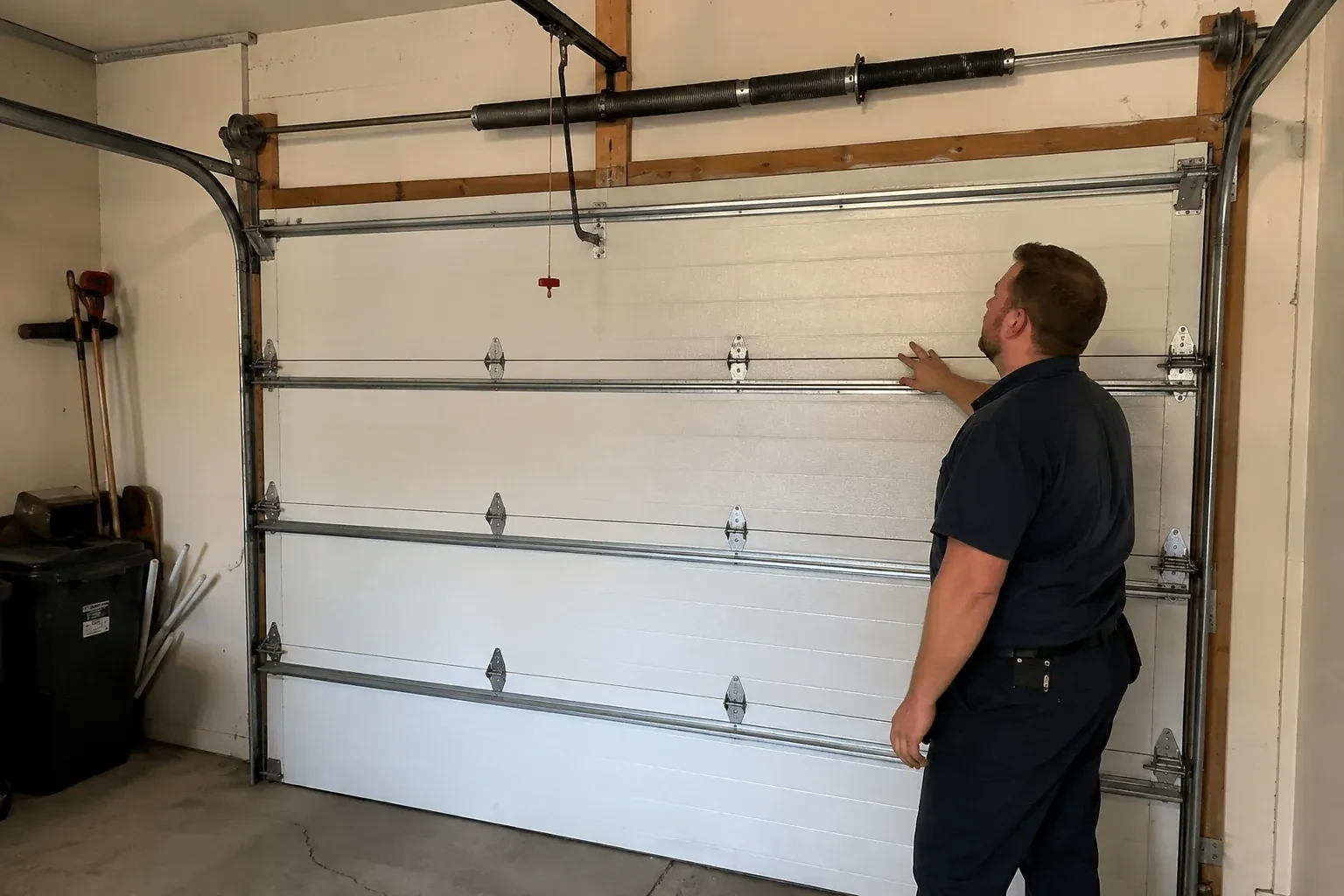
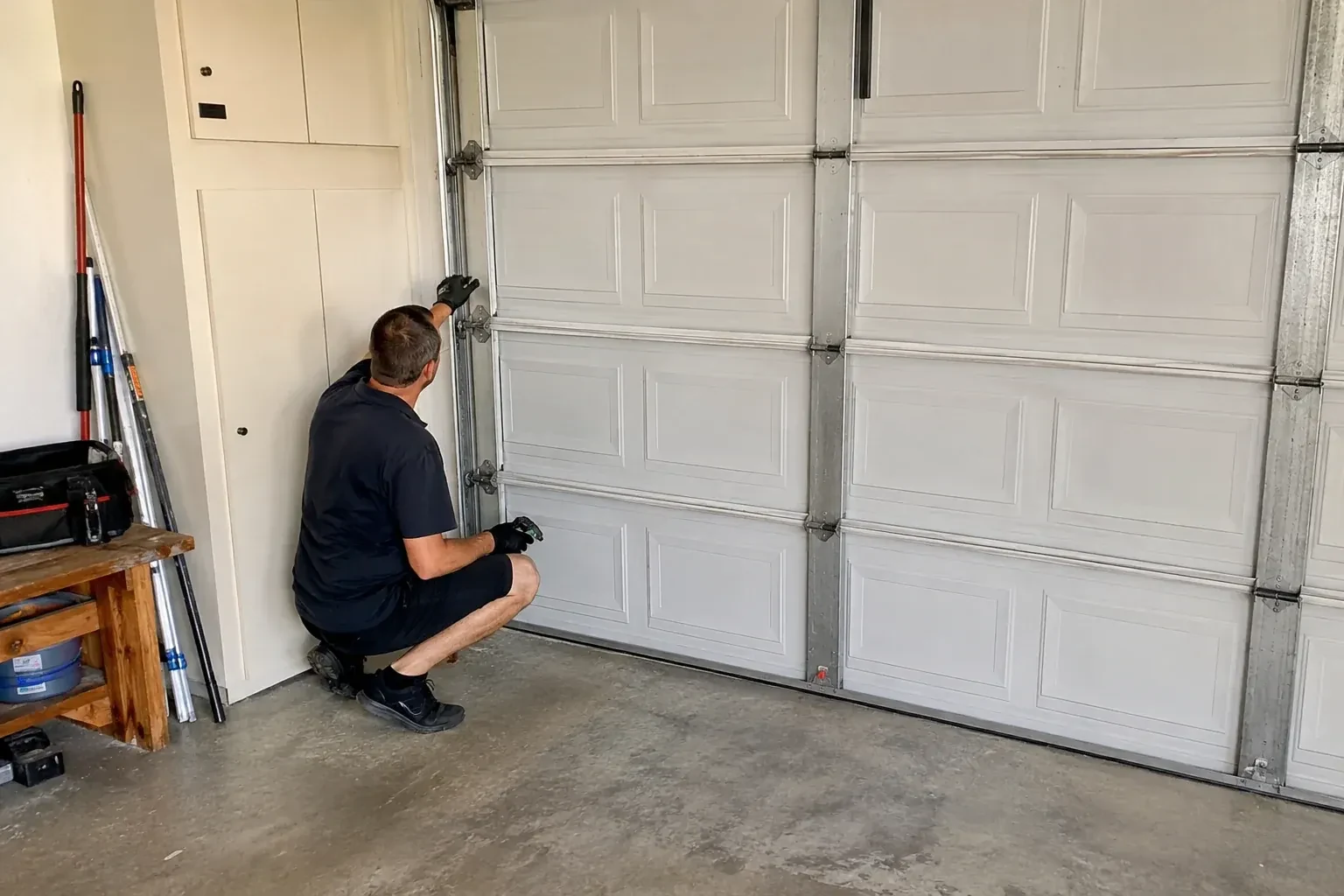
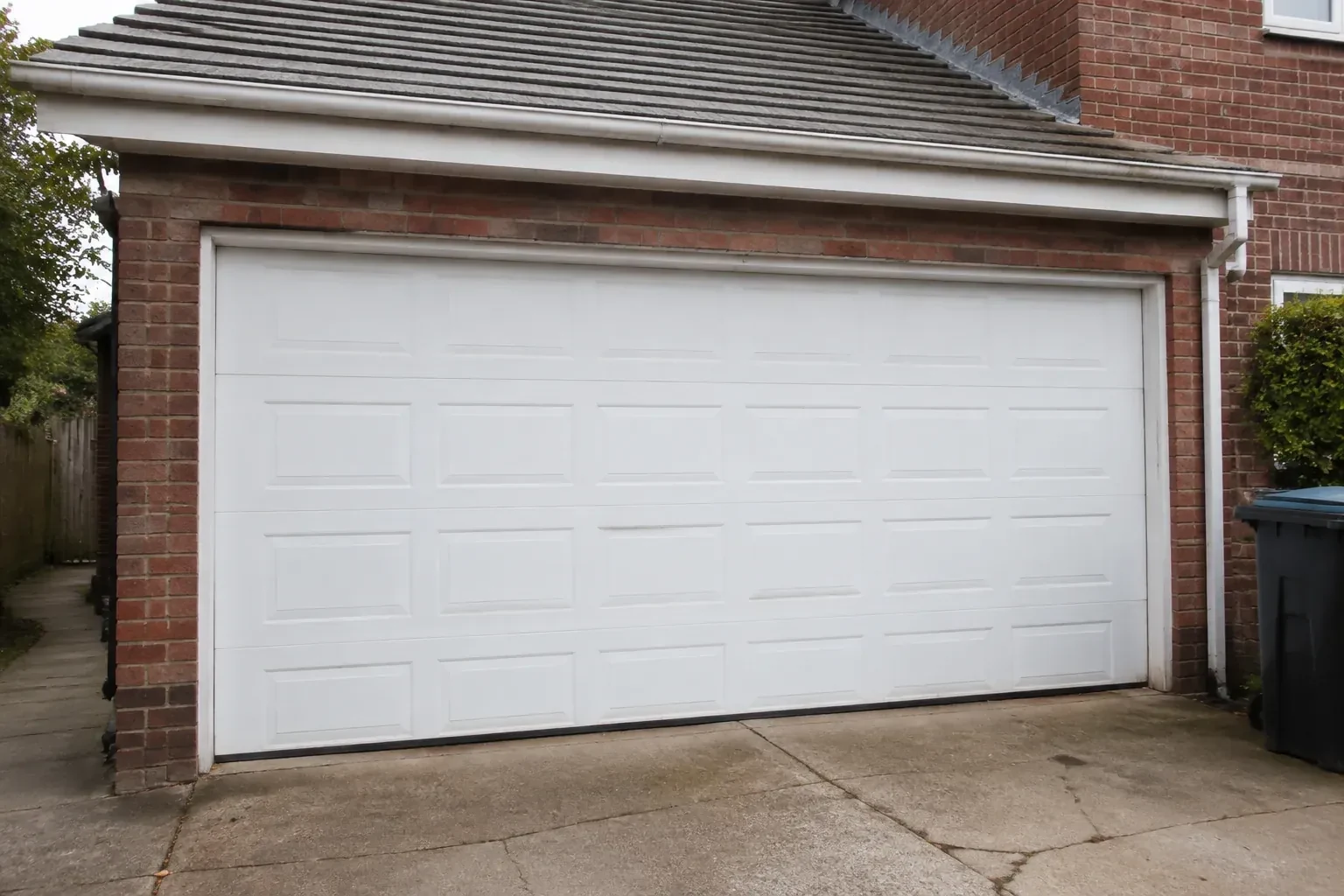
A creased bottom panel is a common sight in The Golden Mile, and it rarely means a whole new door. We check the struts, hinges and track alignment, replace the damaged section when a match is available, and reinforce the panel so the door lifts straight and looks whole again from the street.
A creased bottom panel is a common sight in The Golden Mile, and it rarely means a whole new door. We check the struts, hinges and track alignment, replace the damaged section when a match is available, and reinforce the panel so the door lifts straight and looks whole again from the street.
Small adjustments, long-lasting results.
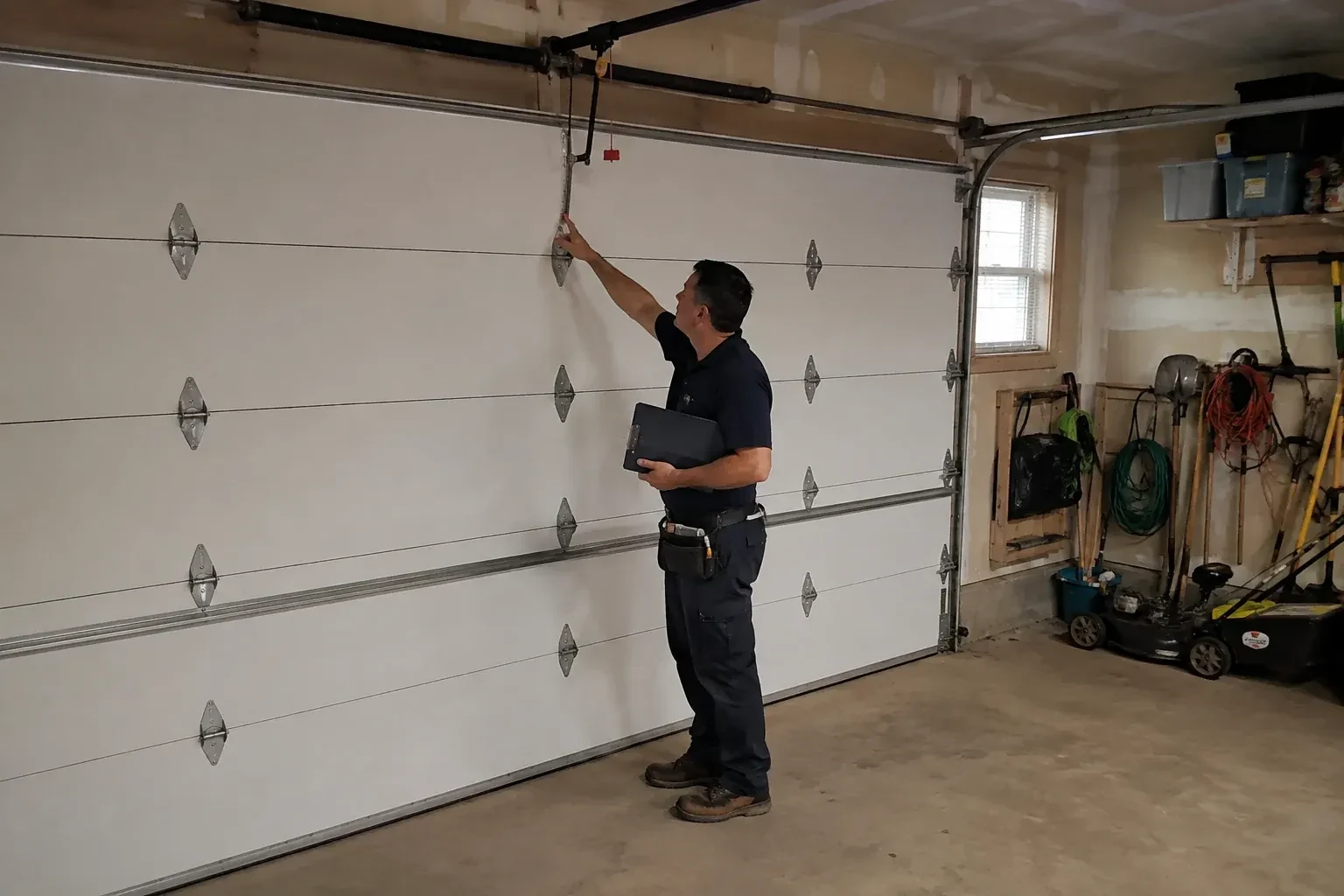
We are careful about what we recommend in The Golden Mile. If a tune-up will do, that is what we suggest. If a spring is the problem, we replace the spring and check its partner. If the door is beyond repair, we say so plainly. Every recommendation is one you can watch us justify at the door.
A properly balanced garage door is nearly silent, and in The Golden Mile that quiet is something people notice after we leave. Rattles come from loose hinges and worn rollers, groans from dry bearings, a clatter on the way down from a door out of balance. We chase each sound to its source, replace what is worn and set the door to run the way it was meant to.
17years in business
24/7open every day
The diagnosis first. No work begins until you have heard what we found and agreed on the plan. That is how we avoid surprises on both sides.
A clean finish. Grease wiped from the tracks, hardware tightened, tools packed, the space swept. Tidy work is part of doing the job well.
Options explained side by side. A modest repair, a lasting one, a full replacement: you see how they compare so the choice is yours to make.
Broken spring, snapped cable, door off the track, opener humming but not lifting, remote lost, seal cracked, panel dented, door too loud for the bedroom above: those are the calls we take from The Golden Mile, and each has its own service page explaining how we handle it.
About 58% of homes in Toronto were built in 1980 or earlier, according to the 2021 Census.
Older homes
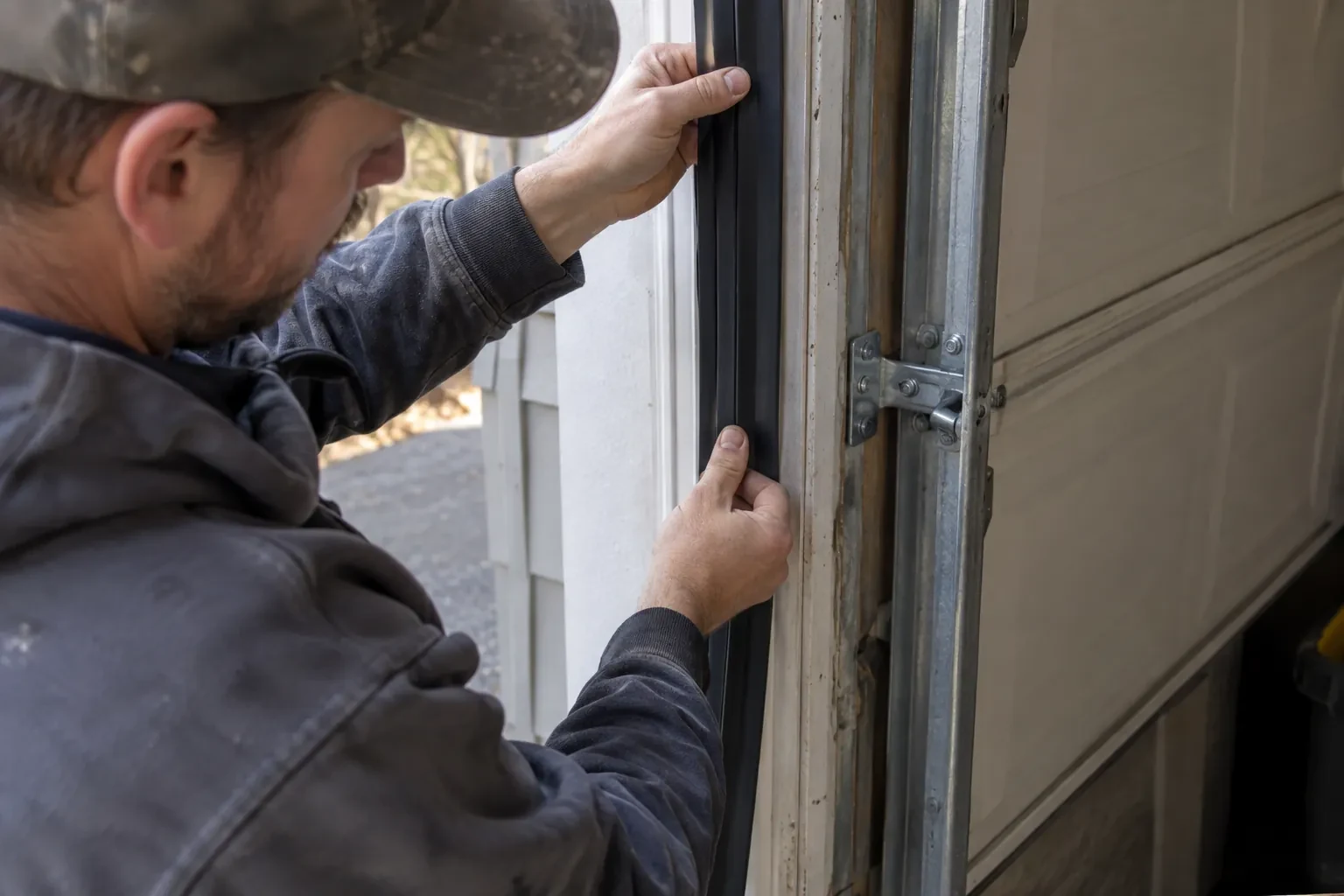
Wood door frames in an older house settle and swell over the decades, which can leave a door rubbing on one side. Rather than forcing the opener, the technician trues the tracks, adjusts the jamb seals and sets the door so it travels freely again.
Single-detached houses make up about 23% of homes in Toronto (2021 Census).
Where most homes are townhouses, condos or apartments, garage doors are often shared: a single overhead door or gate serving an underground or common garage. Those doors run on commercial operators built for constant use, and their upkeep is usually arranged through the building's management.
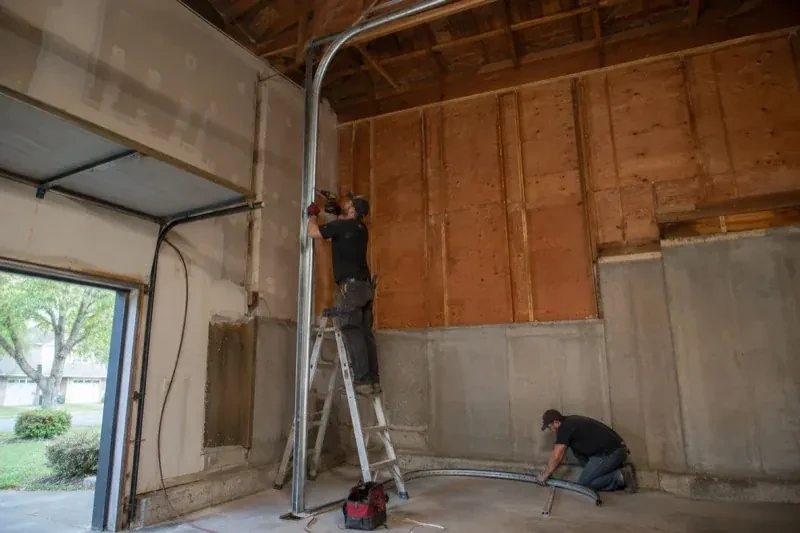
Your car is inside and the door is stuck crooked across the opening. Pushing the wall button just makes the motor hum, and one section is bent where a roller has climbed out of the curve at the top of the track.
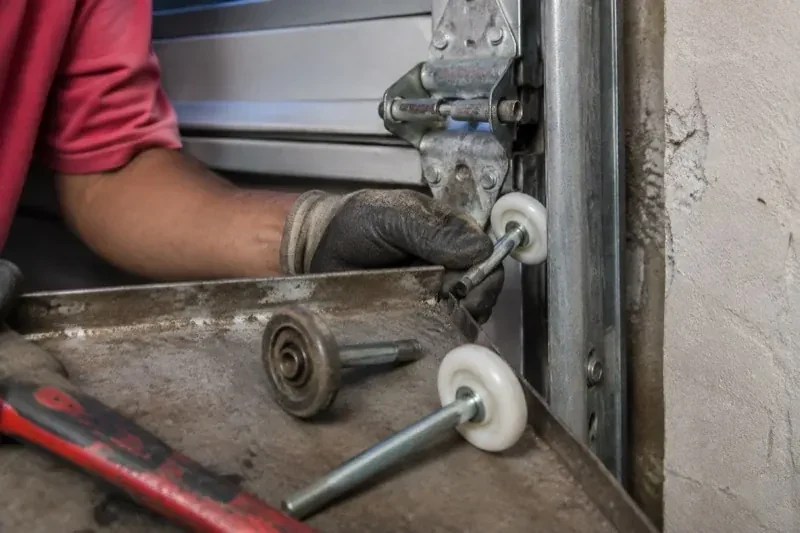
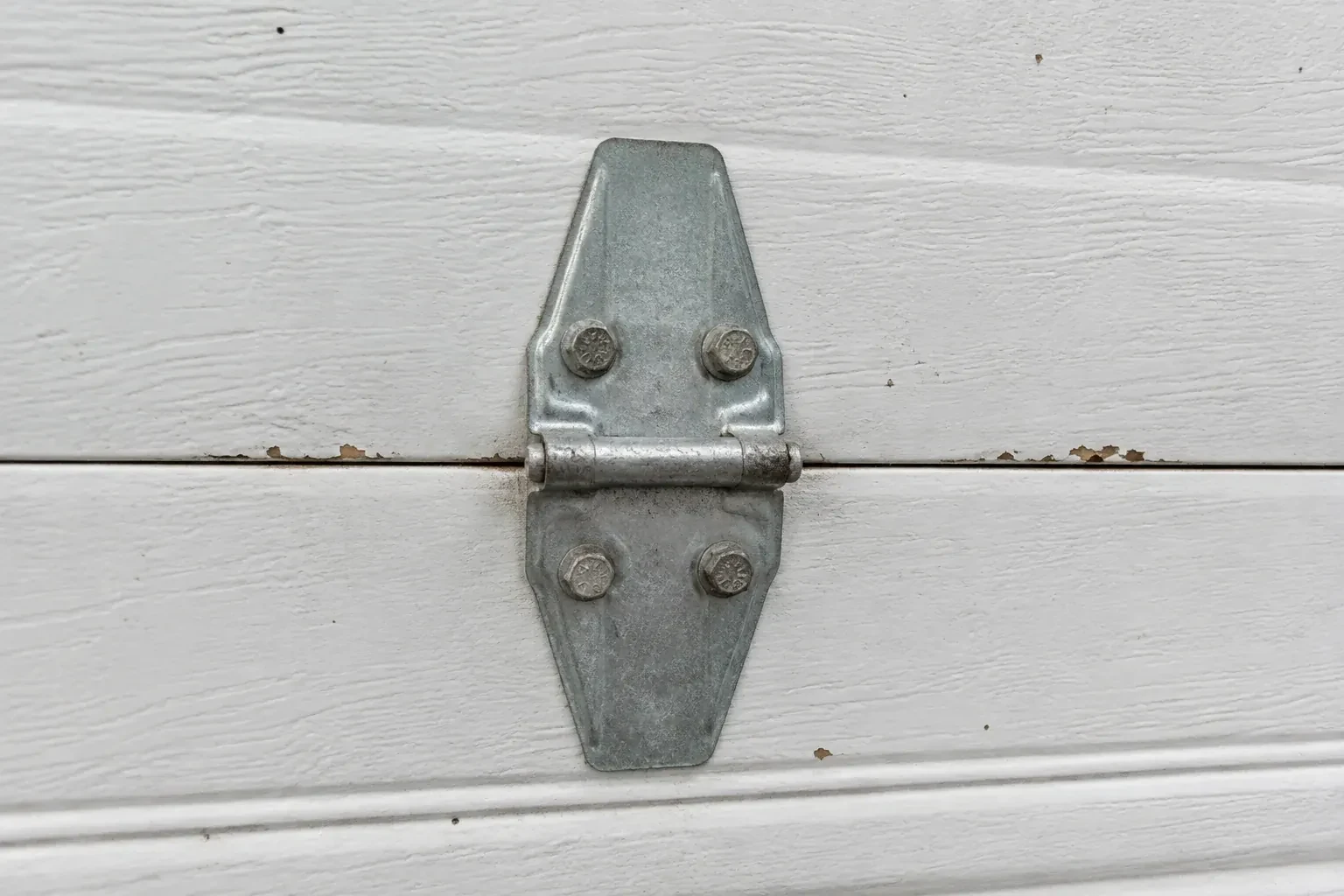
One of the little wheels along the edge of the door has a chunk missing, another sits crooked in its hinge, and there is a fine grey dust on the floor under the track where plastic has been wearing away.
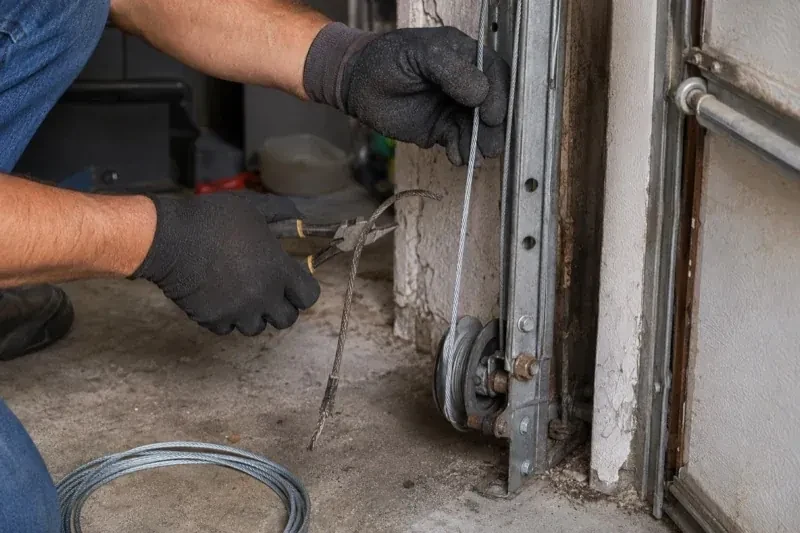
Your older door has springs along the tracks, and one cable has slipped off its pulley and dangles slack. The door lifts crooked and needs a shoulder to close, when it used to glide.
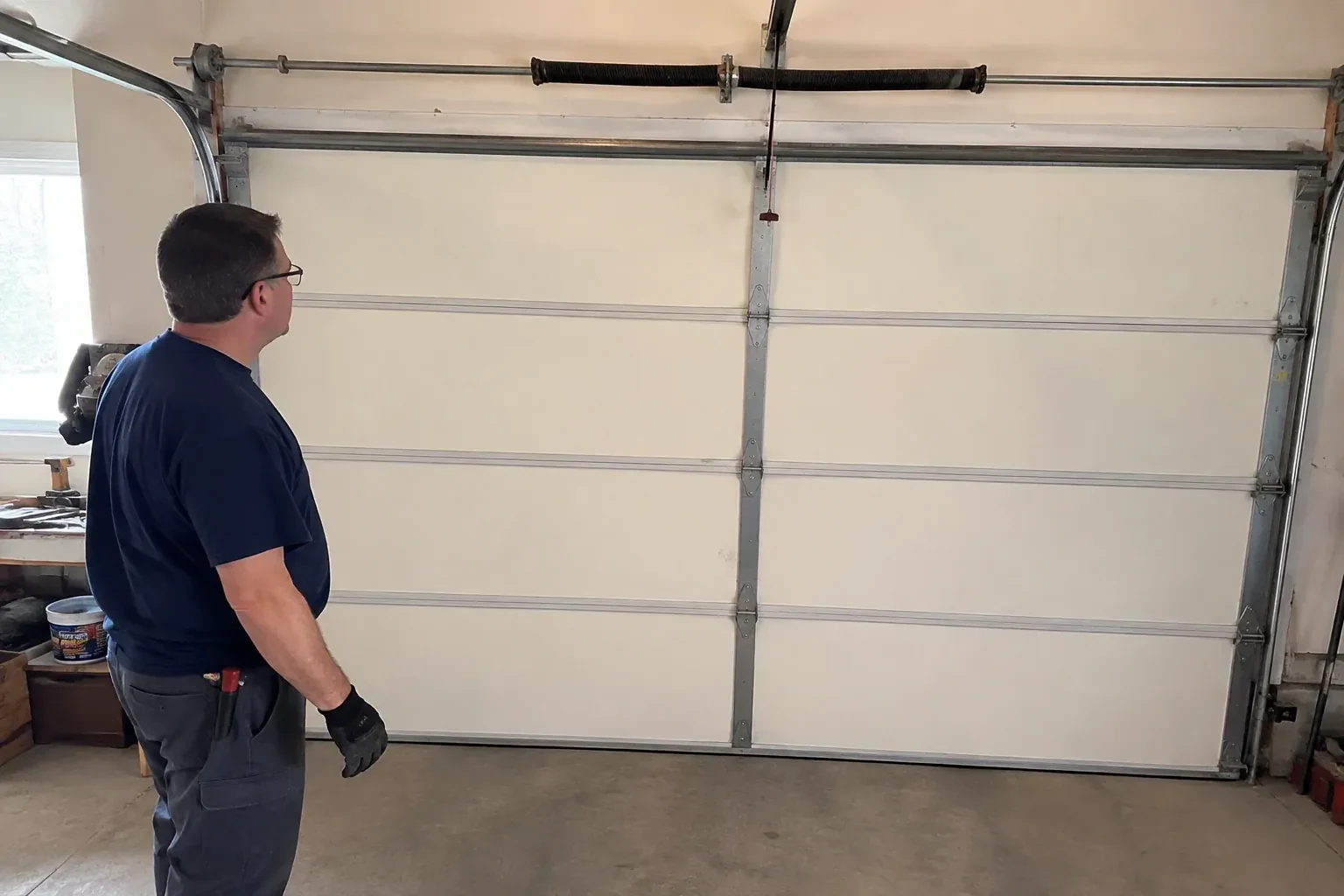
The door drops the last stretch to the floor rather than settling, and when you stop it halfway by hand it slides down instead of staying put. Balance has drifted, and the spring is no longer holding its share of the weight.
The door has grown heavy so gradually you stopped noticing, until a visitor tried to lift it and could not. The opener still manages, but it sounds strained, the chain slaps on the way up, and the wall button gets pressed twice most mornings.
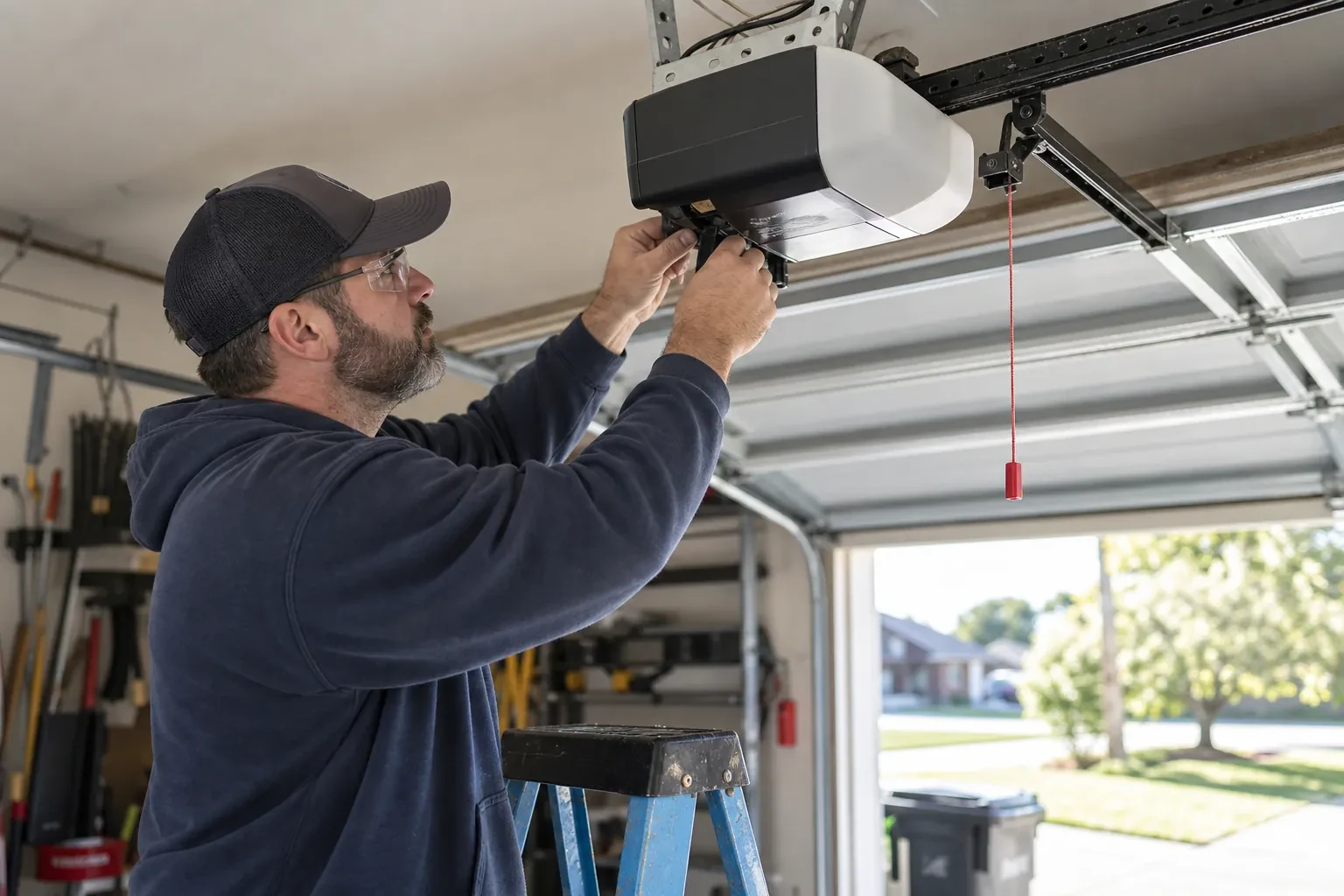
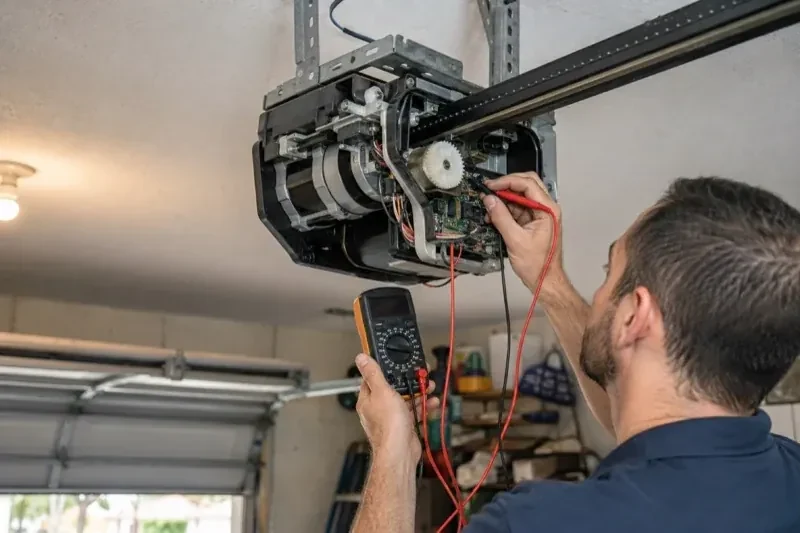
For a few days there was a grinding sound whenever the door started moving. Now the motor spins freely and the door stays exactly where it is. On the hood of the car there is a scatter of white plastic shavings that fell from the unit above.
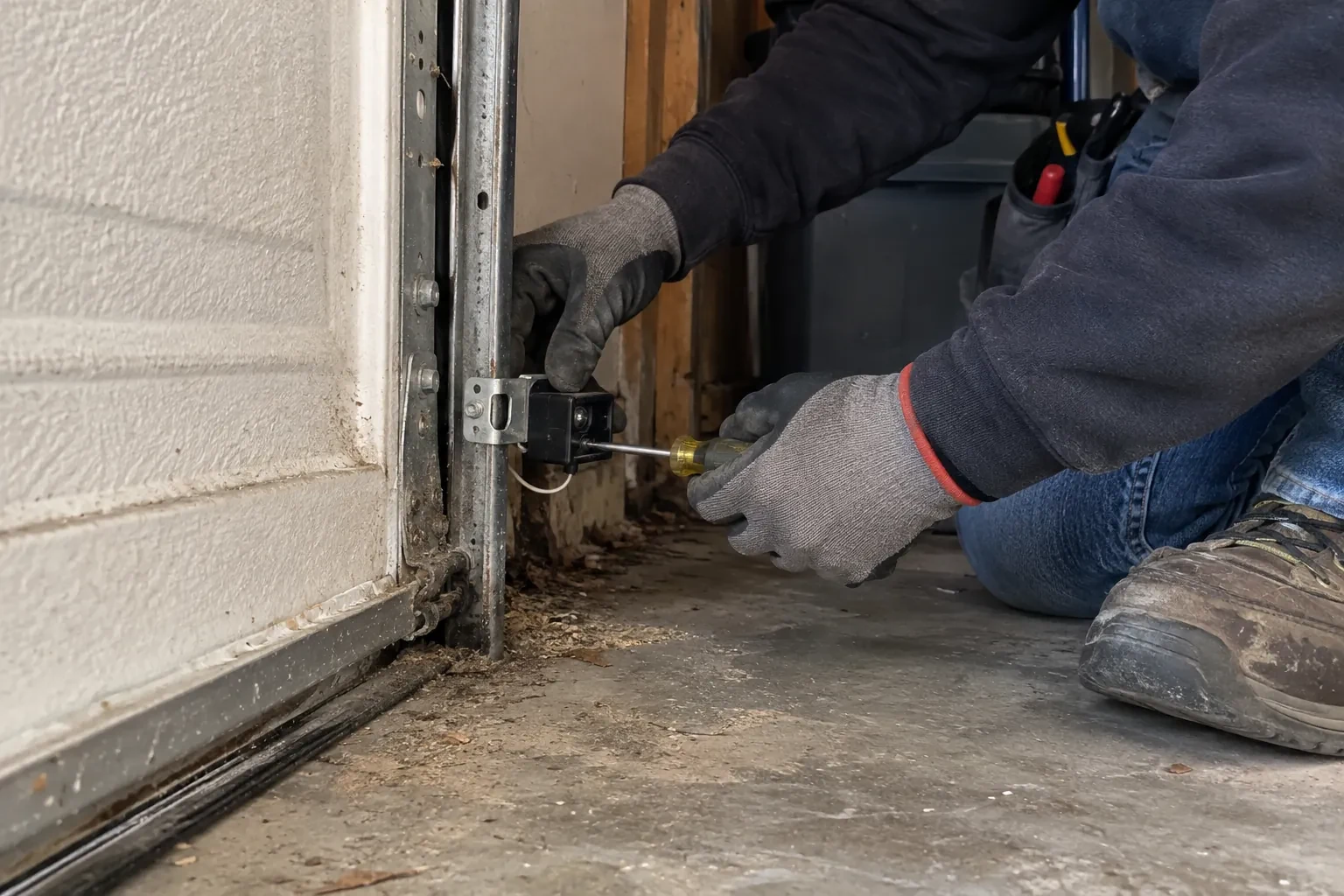
Since shelving went up along the garage wall, the door will not close and both sensor lights are dead. A screw or staple may have gone through the thin wire that runs from the opener to the sensors.
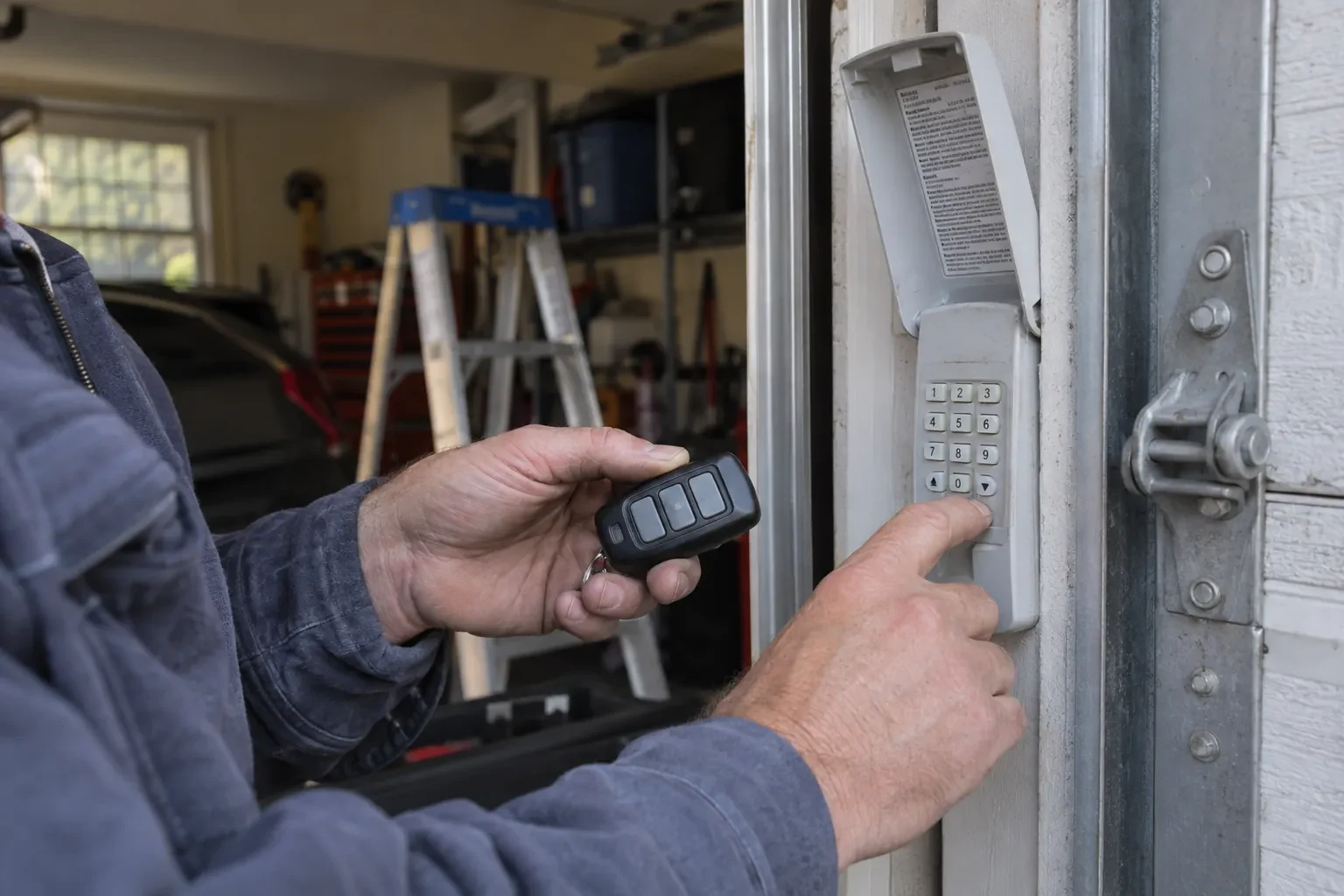
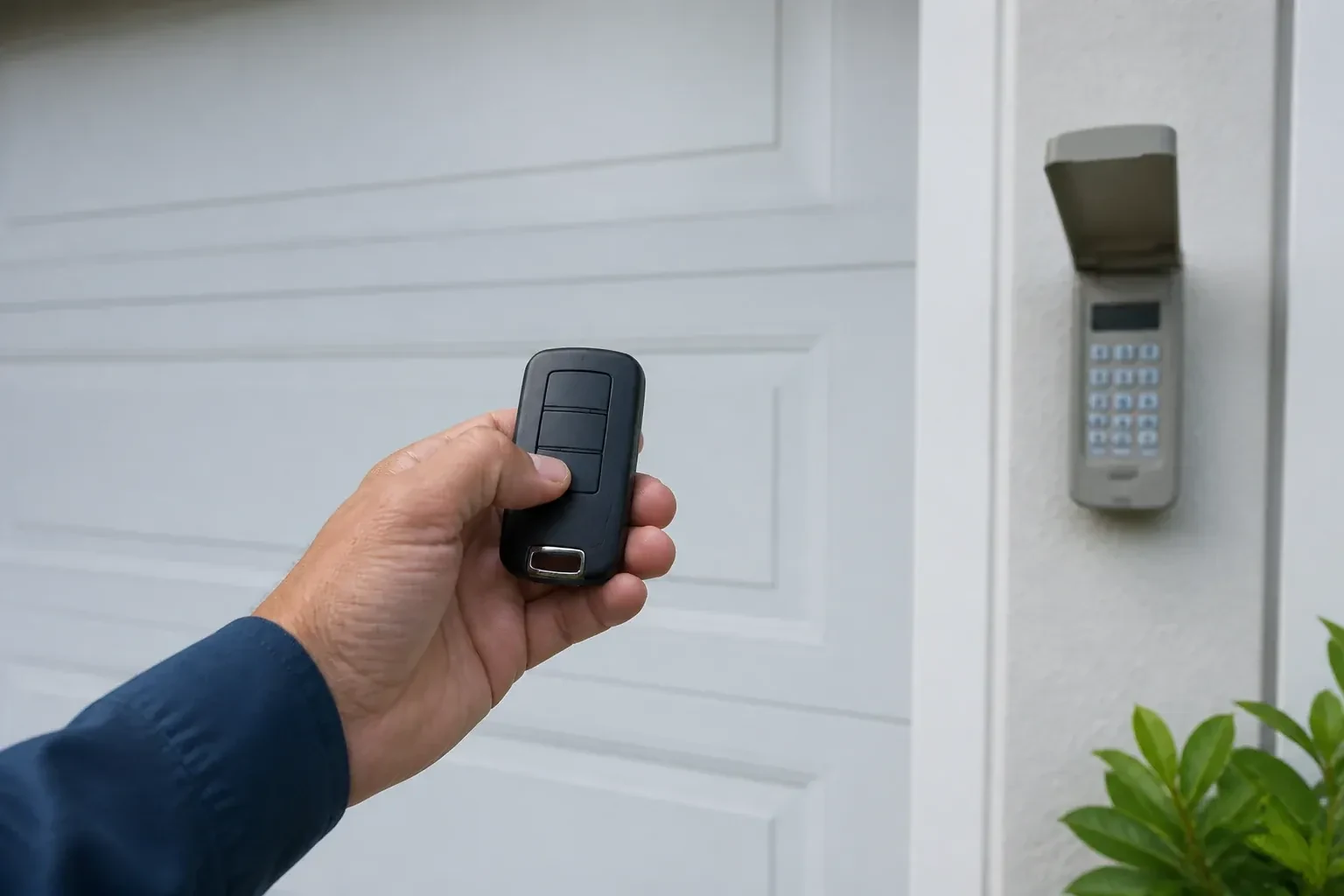
The remote opens the door only when you are almost underneath it. From the end of the driveway you press five or six times and nothing happens. It started around the time the bulbs in the opener were changed to LEDs.
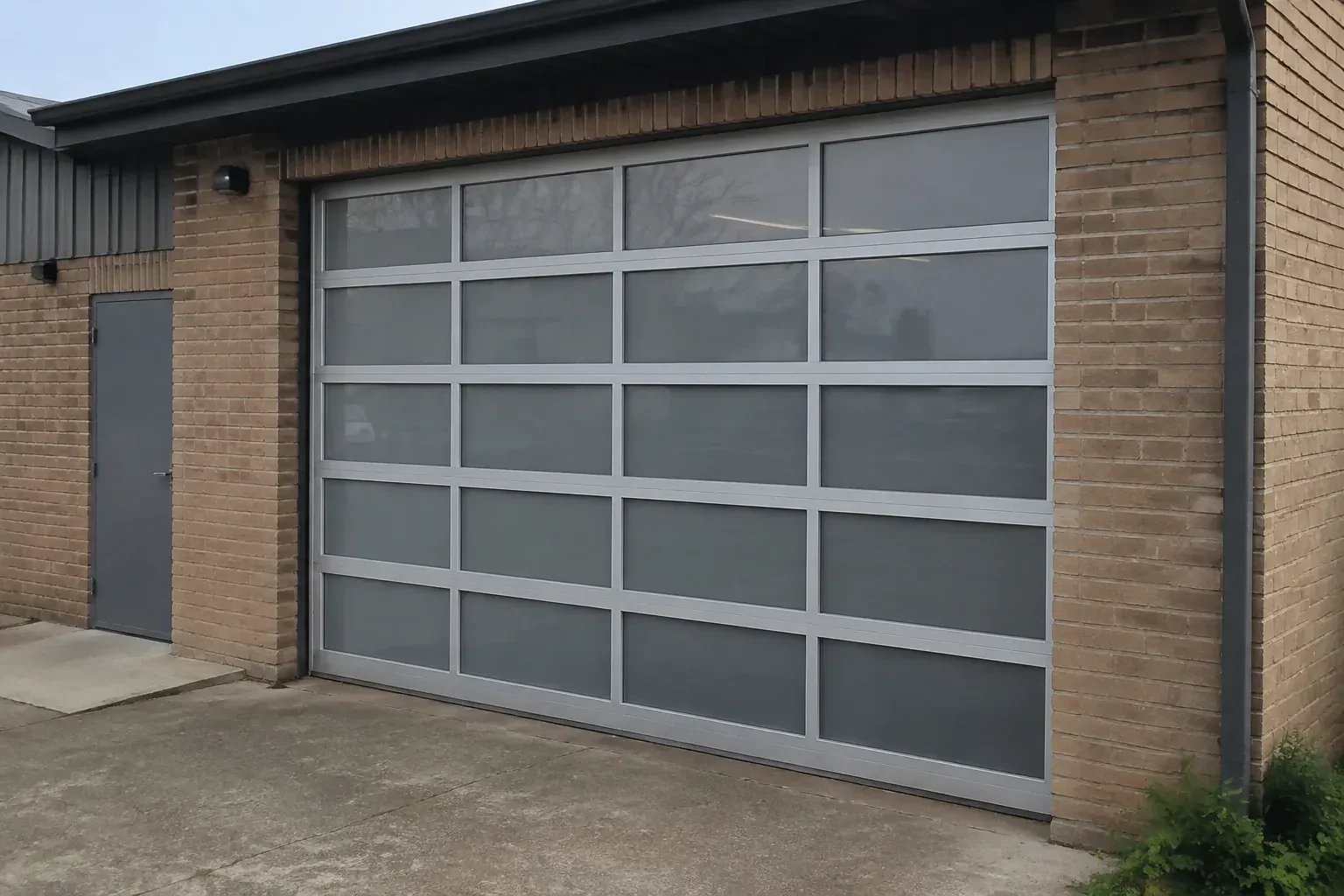
The garage works as a studio during the day, yet the closed solid door leaves it dependent on electric lights. A full-view door could bring daylight across the room while keeping vehicle access.
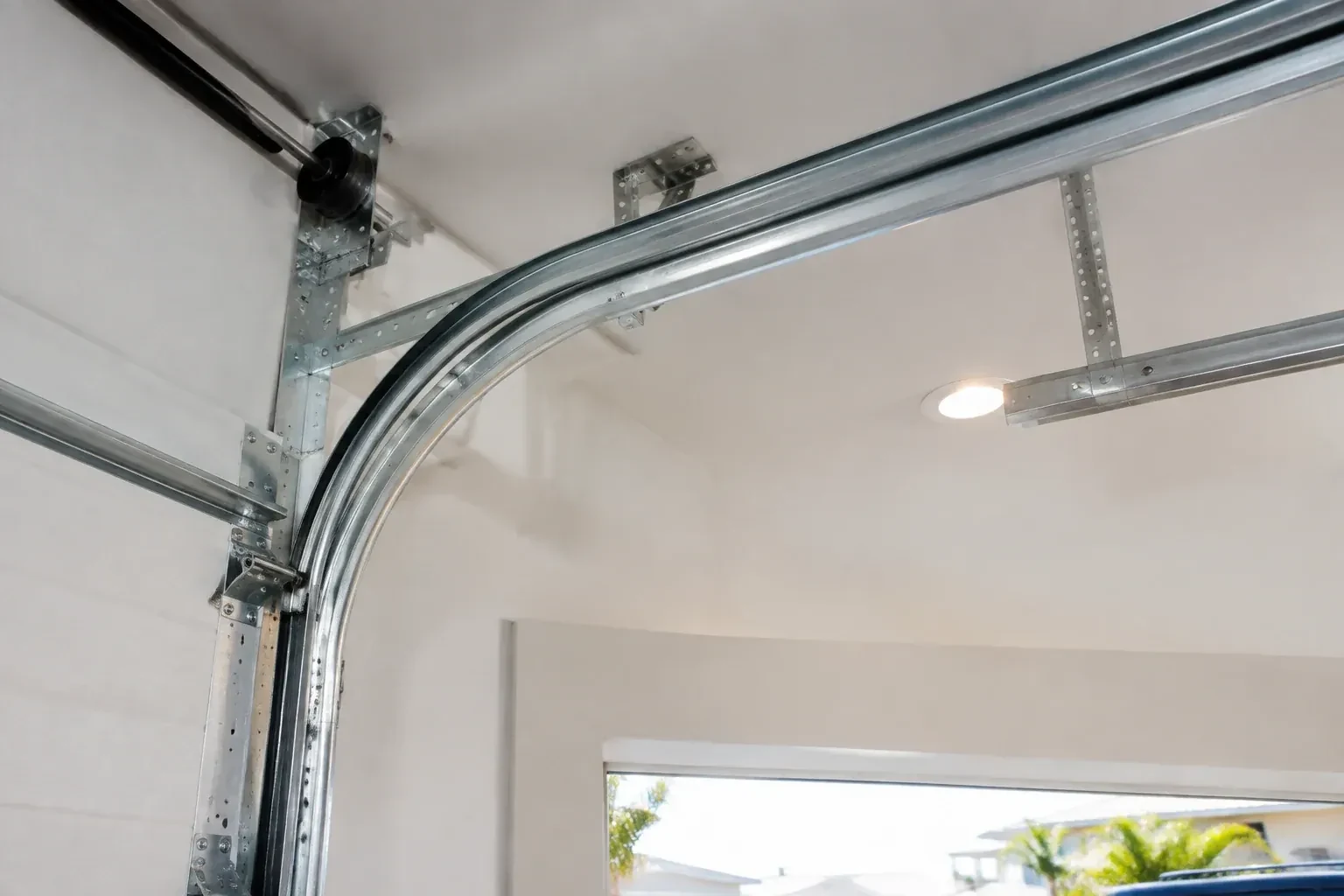
Your new vehicle lift fits the floor plan, but the open garage door crosses the space above it. The ceiling is high enough; the standard track simply turns too soon and leaves the panels hanging over the raised vehicle.
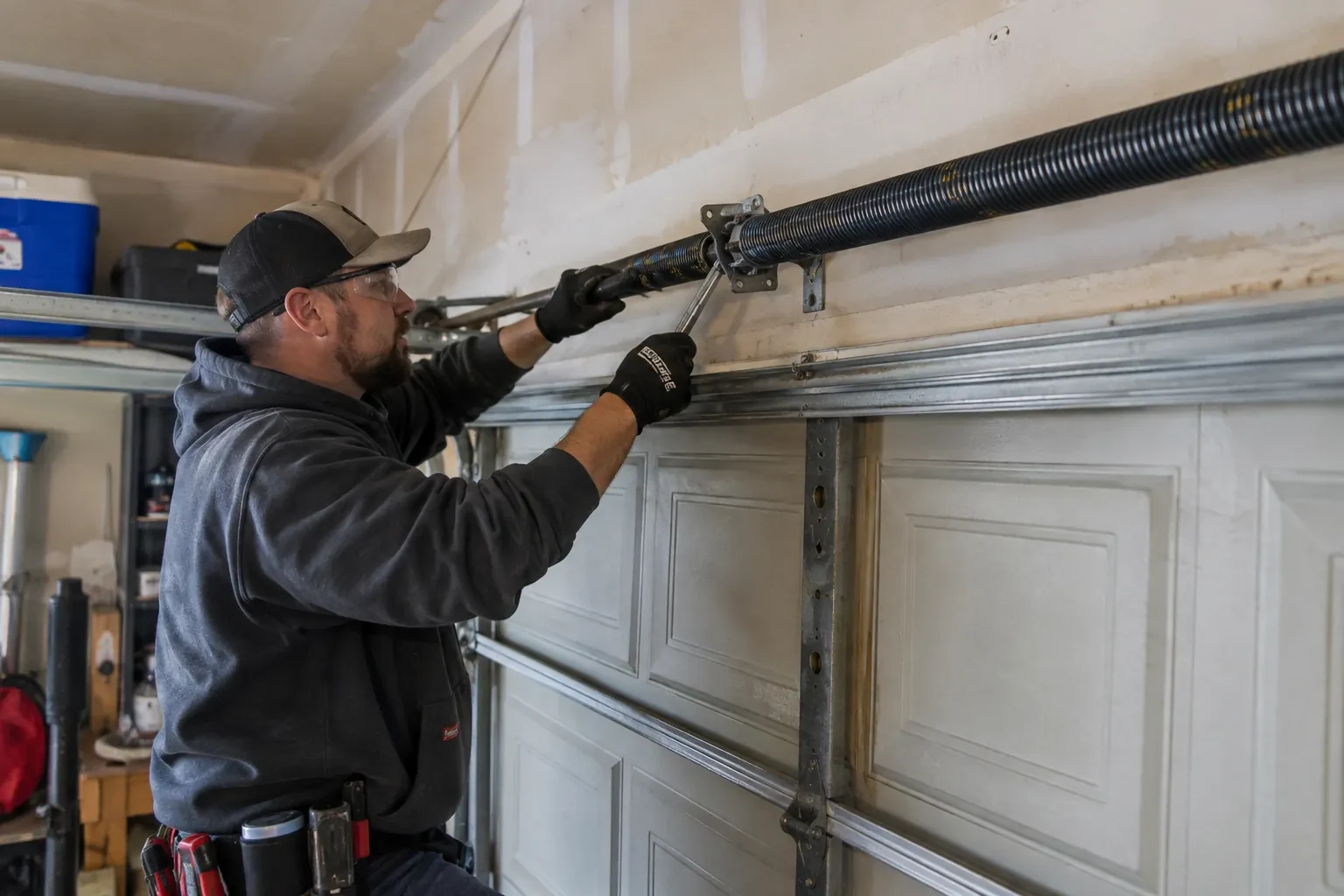
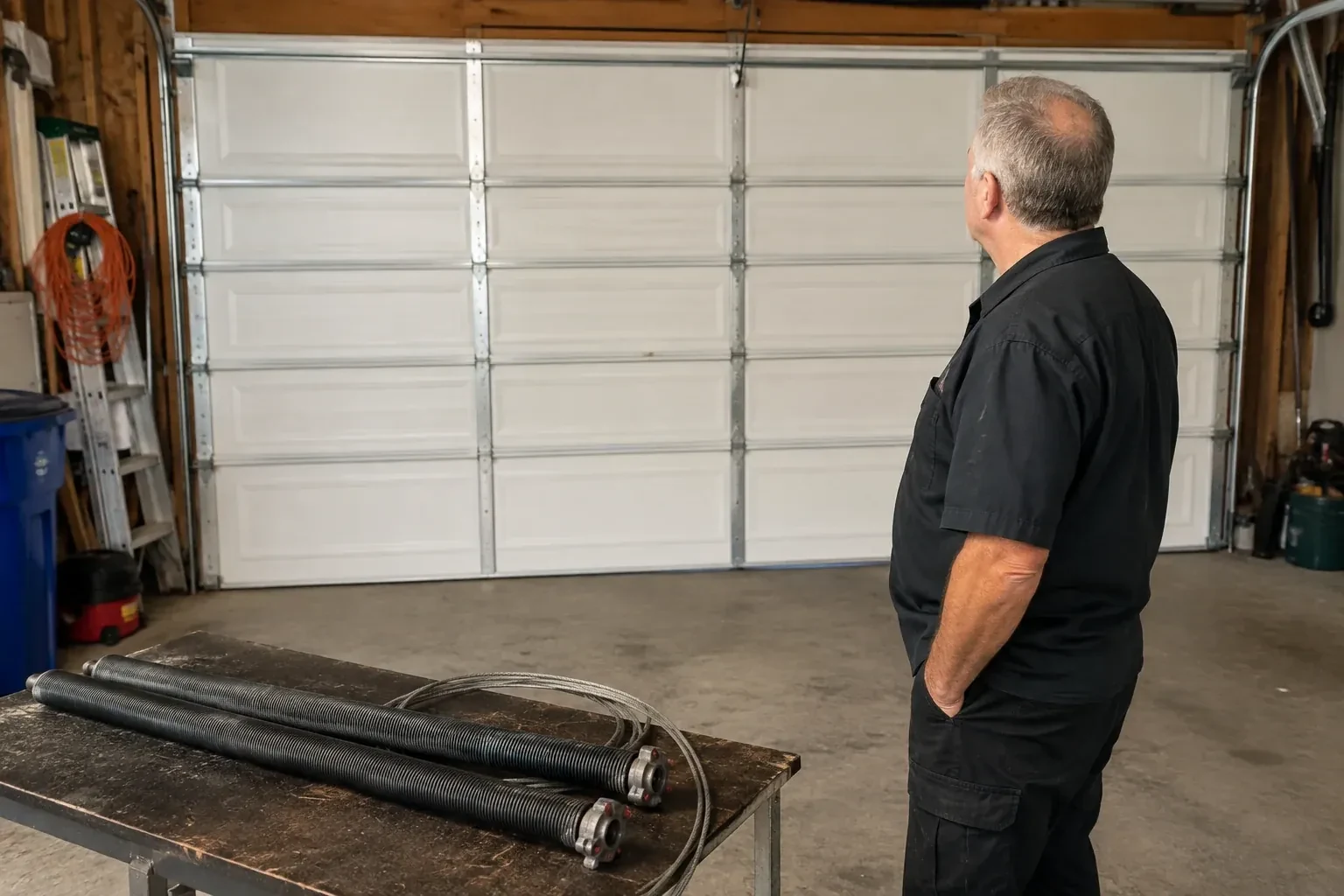
The lifting hardware takes the strain so the opener does not have to. We replace springs, cables and bearings before their wear passes down the line to more expensive parts.
For builders and renovators, we fit doors into new openings and coordinate with the framing. For homeowners, we replace tired doors with ones chosen to suit the house and the climate.
WhyAn off-track reset is the visit that puts a crooked, jammed or hanging garage door back onto its rails.
One of the little wheels along the edge of the door has a chunk missing, another sits crooked in its hinge, and there is a fine grey dust on the floor under the track where plastic has been wearing away.
I only tapped the door with the bumper. Why is it off its track?
A sectional door is strong in the direction it travels and surprisingly easy to push sideways at a single roller. A light nudge on the bottom section can flex the track lip enough for the roller to slip out, after which the section twists and the rollers above follow. The good news is that this kind of event usually leaves the cables and springs alone, so the reset is often rollers, a re-formed track lip and a hinge check.
Are the bottom rollers different from the rest?
The wheels themselves are usually the same, but their home is not. The bottom rollers sit in the bottom brackets, which also anchor the lifting cables and therefore carry the counterbalance load whenever the door is closed. That is why manufacturers put warning labels there and why this position is handled by a trained technician who either exchanges the roller without disturbing the bracket or relieves the spring tension first. It is also the position most exposed to salt and slush, so it is inspected with extra care.
Why did the cable come off the drum?
A cable leaves its drum when it goes slack for a moment while the drum keeps turning. The usual reasons are the door closing onto an object or a ridge of ice so the bottom stops early, a spring that has lost tension or broken, or a drum whose set screws let it slip on the shaft. The technician finds which of these happened and corrects it so the new cable stays seated.
Can a spring be adjusted rather than replaced?
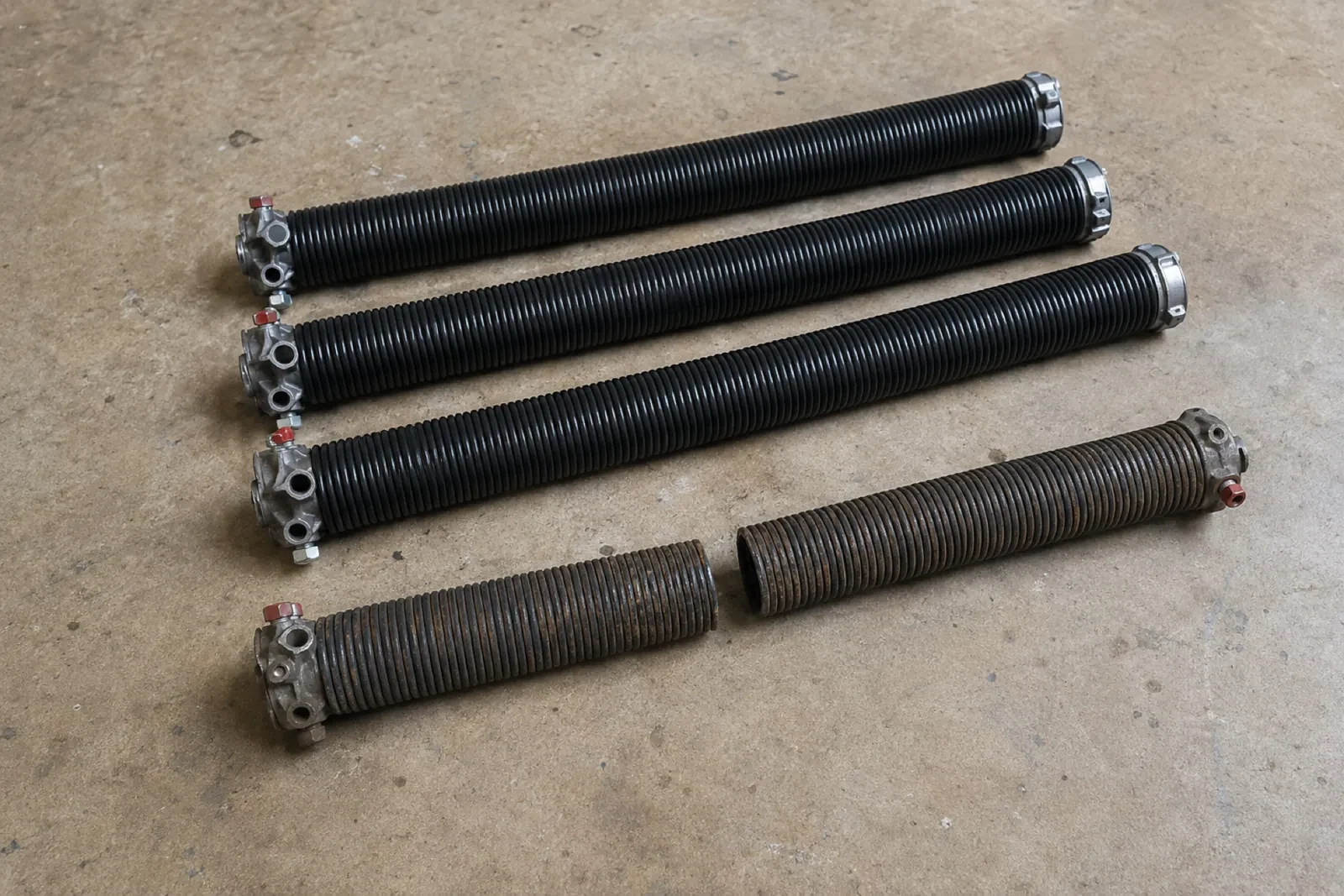
A spring that is intact but has relaxed slightly can be given a little more tension, within limits, to restore balance; this is a normal adjustment on a door that has settled. A spring with a broken coil is replaced as a unit, since the wire has reached the end of its life. The technician checks the condition of the steel and recommends whichever restores a balanced, safe door.
I added insulation panels to my door. Does that affect balance?
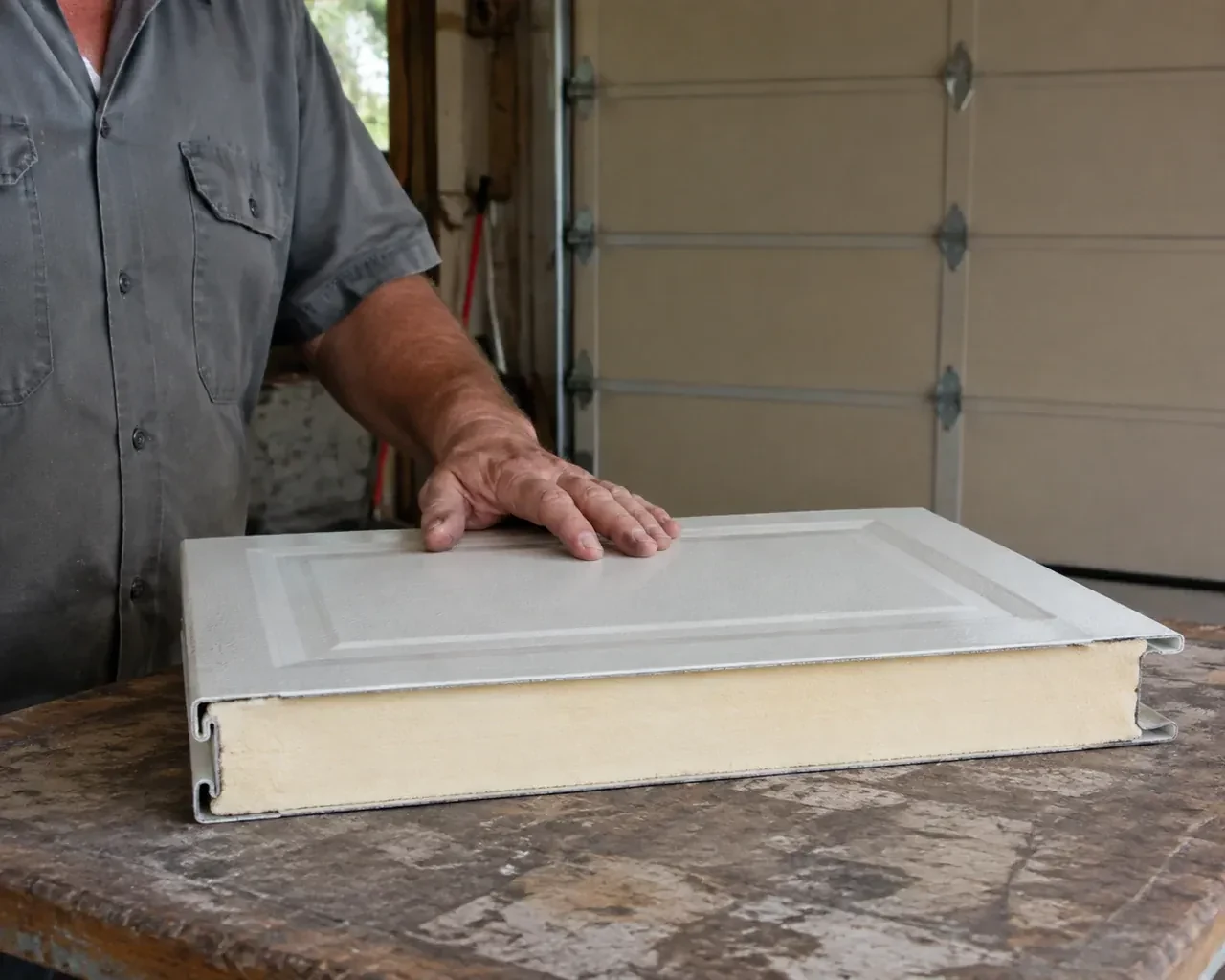
Yes, and it is one of the most common reasons a door starts to sink. Springs are matched to the door's weight, and insulation kits, replacement sections, windows or a heavier seal add weight the original springs were not sized for. A technician can weigh the door and either add tension to suit it or, if the added weight is beyond what the springs can carry, specify new ones.
Should I lubricate the chain, the rail or the track?
Rollers, hinges, bearings and springs benefit from a garage door lubricant once or twice a year. The chain, belt or screw-drive rail is a separate question, since each drive type calls for its own product and schedule from the opener's manual rather than one rule for every unit. The track itself should stay clean and dry, because lubricant there collects grit and makes rollers slide instead of turning. The technician can point out the spots on your door at the end of the visit.
How high off the floor should the sensors sit?
Low. The industry checklist expects the beam no more than roughly 15 cm (6 in) up from the floor, so that a small child, a pet or a bicycle wheel breaks it. Both sensors are set at the same measured height and level with each other, since a difference of a couple of centimetres is enough to lose the beam. Within that rule the technician can raise them a little to keep them out of the strip where slush collects.
What should I gather before the technician arrives?
Every remote you own, working or not, and the keypad if it has been taken down. The opener's model label or a photo of the learn button under the light cover. The cars whose buttons need training, parked close to the door. A note of who should have access and whether any remote is missing. A code in mind for the keypad. All of this shortens the visit and makes the handover complete.
What should I move before the installation visit?
Clear vehicles, bicycles, shelving on wheels and stored items from the door path and the areas beside the tracks. The crew also needs an unobstructed route for glazed sections and a clean staging space on padded supports. Mention fixed cabinets, ceiling storage, vehicle lifts or delicate flooring early so protection and handling can be planned around them.
Can a high-lift conversion create room for a vehicle lift?
That is a common reason to consider one. The assessment uses the lift's raised height, the vehicle profile and working clearance to define the needed zone. The proposed door path is then measured against that zone, including the lowest section in the open position. Final feasibility depends on available wall height, ceiling conditions, structure and equipment placement.
Request a visit
We are careful about what we recommend in The Golden Mile. If a tune-up will do, that is what we suggest. If a spring is the problem, we replace the spring and check its partner. If the door is beyond repair, we say so plainly. Every recommendation is one you can watch us justify at the door.