Garage Doors in Birchmount Park, OntarioButton, keypador phone.
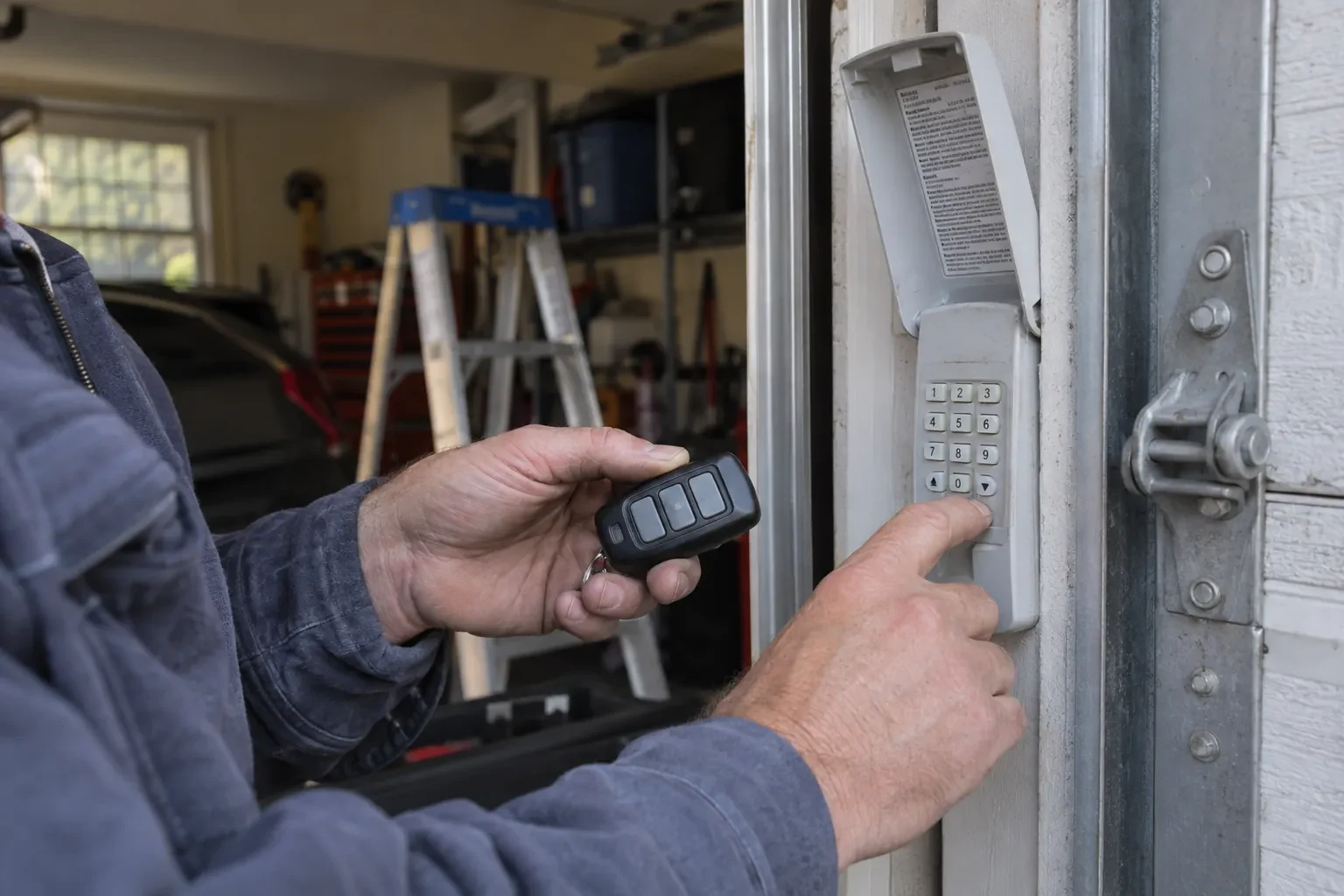
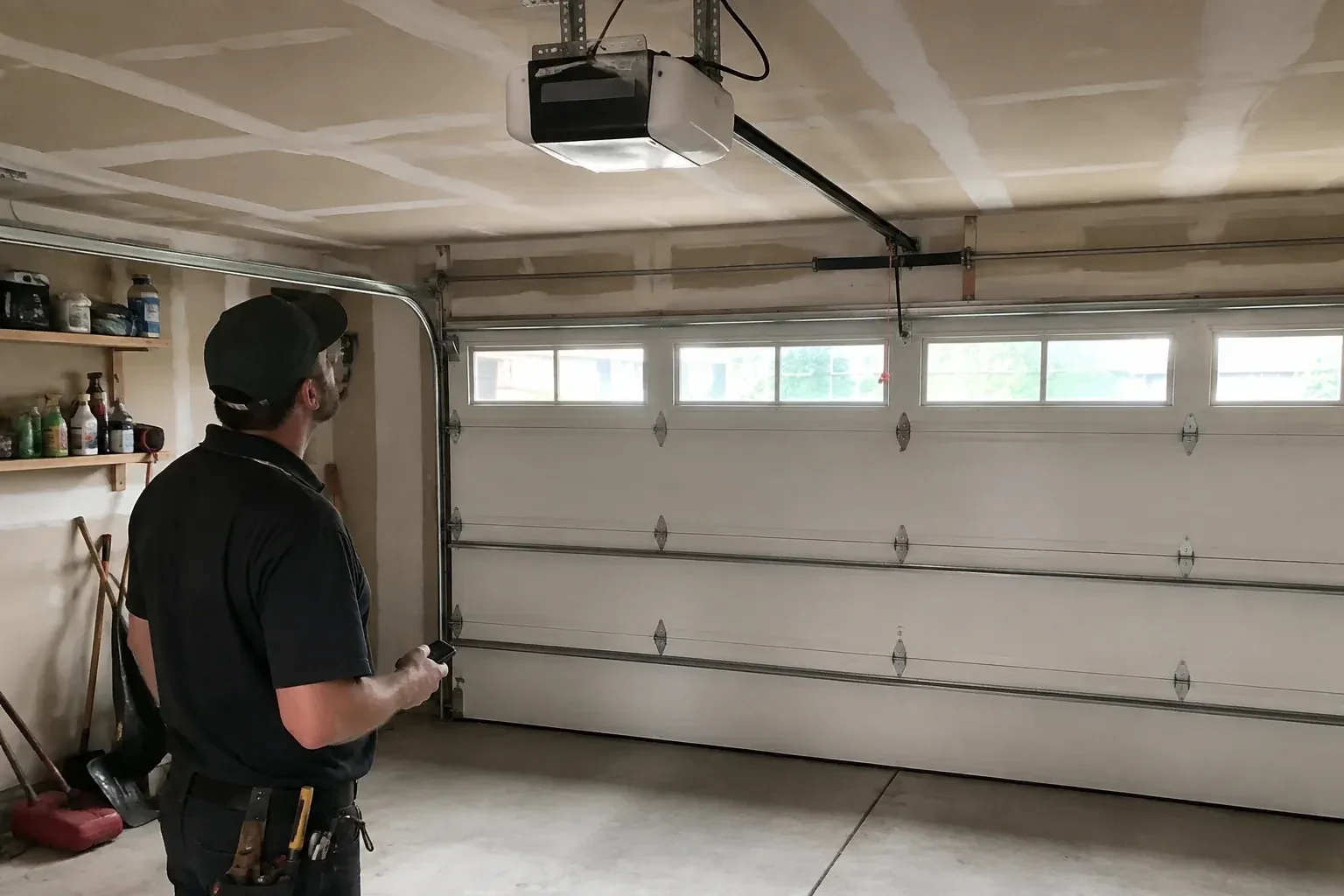
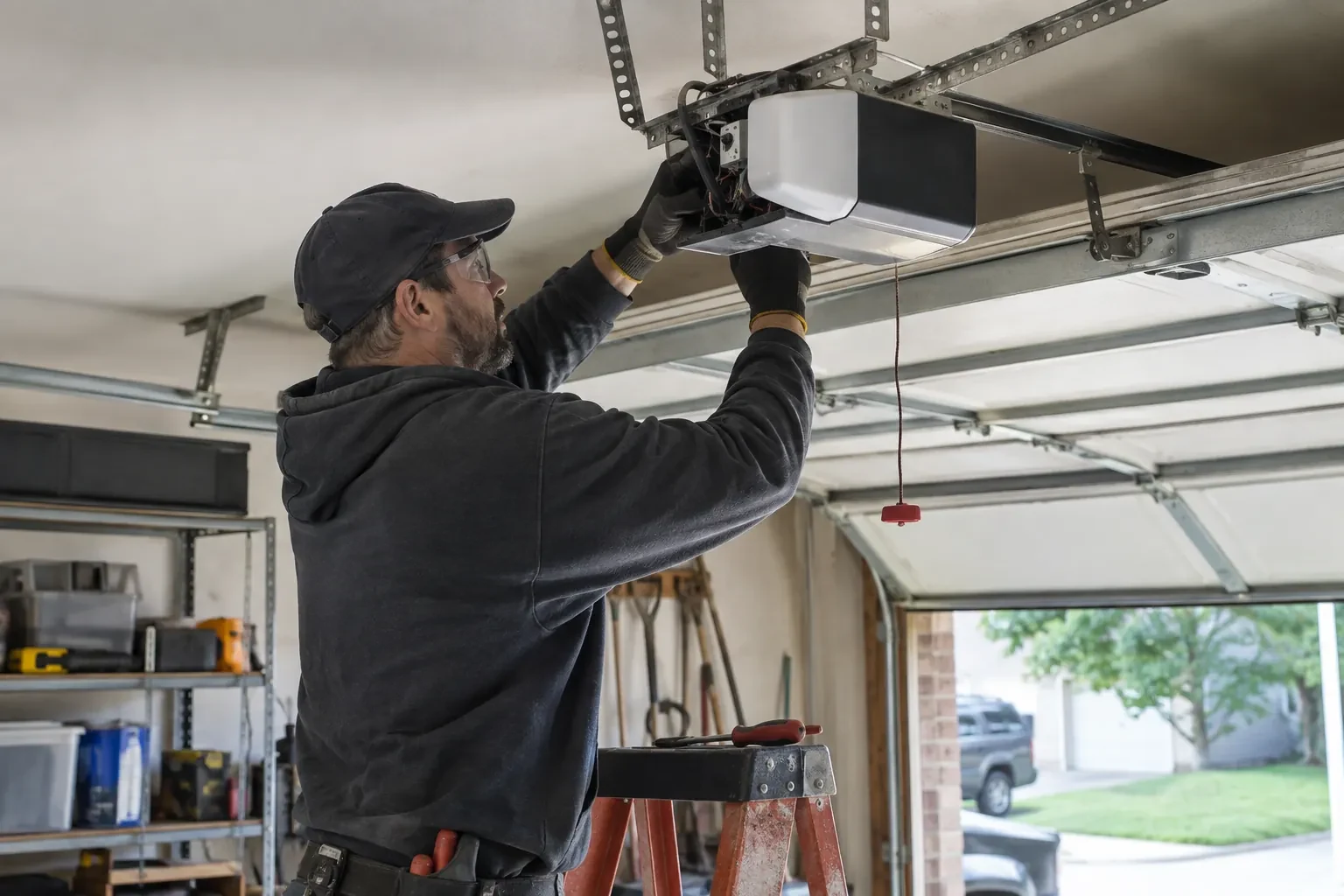
Some households in Birchmount Park want a keypad by the door for the kids, a second remote for the other car, and an app that says whether the door was left open. We set up each of those, walk you through them, and leave the paperwork so the next person can follow it too.
Some households in Birchmount Park want a keypad by the door for the kids, a second remote for the other car, and an app that says whether the door was left open. We set up each of those, walk you through them, and leave the paperwork so the next person can follow it too.
Small adjustments, long-lasting results.
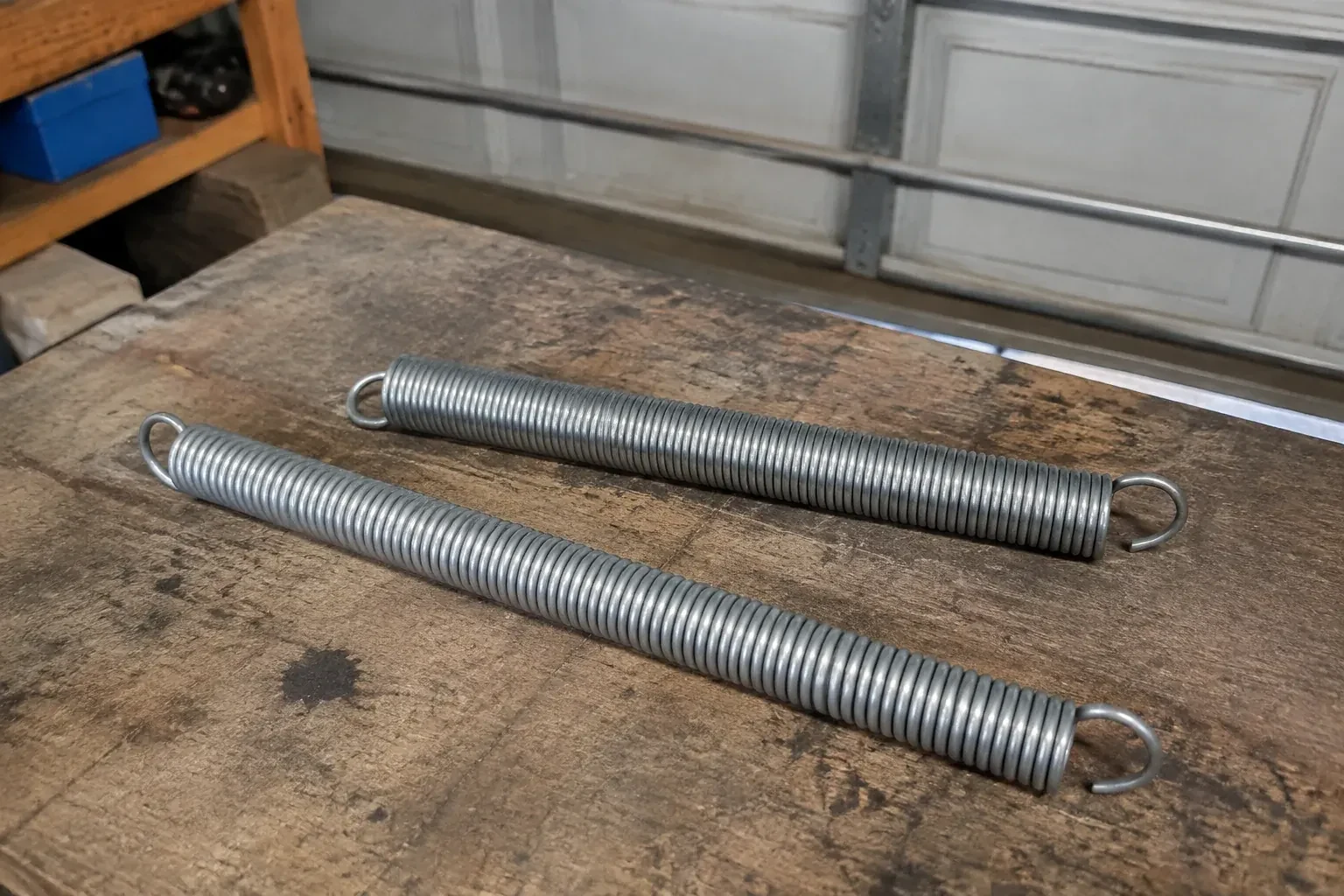
For an older door in Birchmount Park we look for ways to keep it. Original wood doors and extension-spring setups can run for many more years with safety cables, fresh pulleys and a properly set opener. When a door truly is finished, we say so and explain what a replacement would involve, without pushing.
If your garage door in Birchmount Park has started to struggle, rising a little and settling back, groaning on the way up or hanging lower on one side, the cause is usually one of a handful of familiar parts. We diagnose first, show you what we found, and repair it carefully. When a door has genuinely reached the end, we say so and talk through what a replacement involves.
17years in business
24/7open every day
The diagnosis first. No work begins until you have heard what we found and agreed on the plan. That is how we avoid surprises on both sides.
A clean finish. Grease wiped from the tracks, hardware tightened, tools packed, the space swept. Tidy work is part of doing the job well.
Options explained side by side. A modest repair, a lasting one, a full replacement: you see how they compare so the choice is yours to make.
Book a repair, tune-up or new door in Birchmount Park.
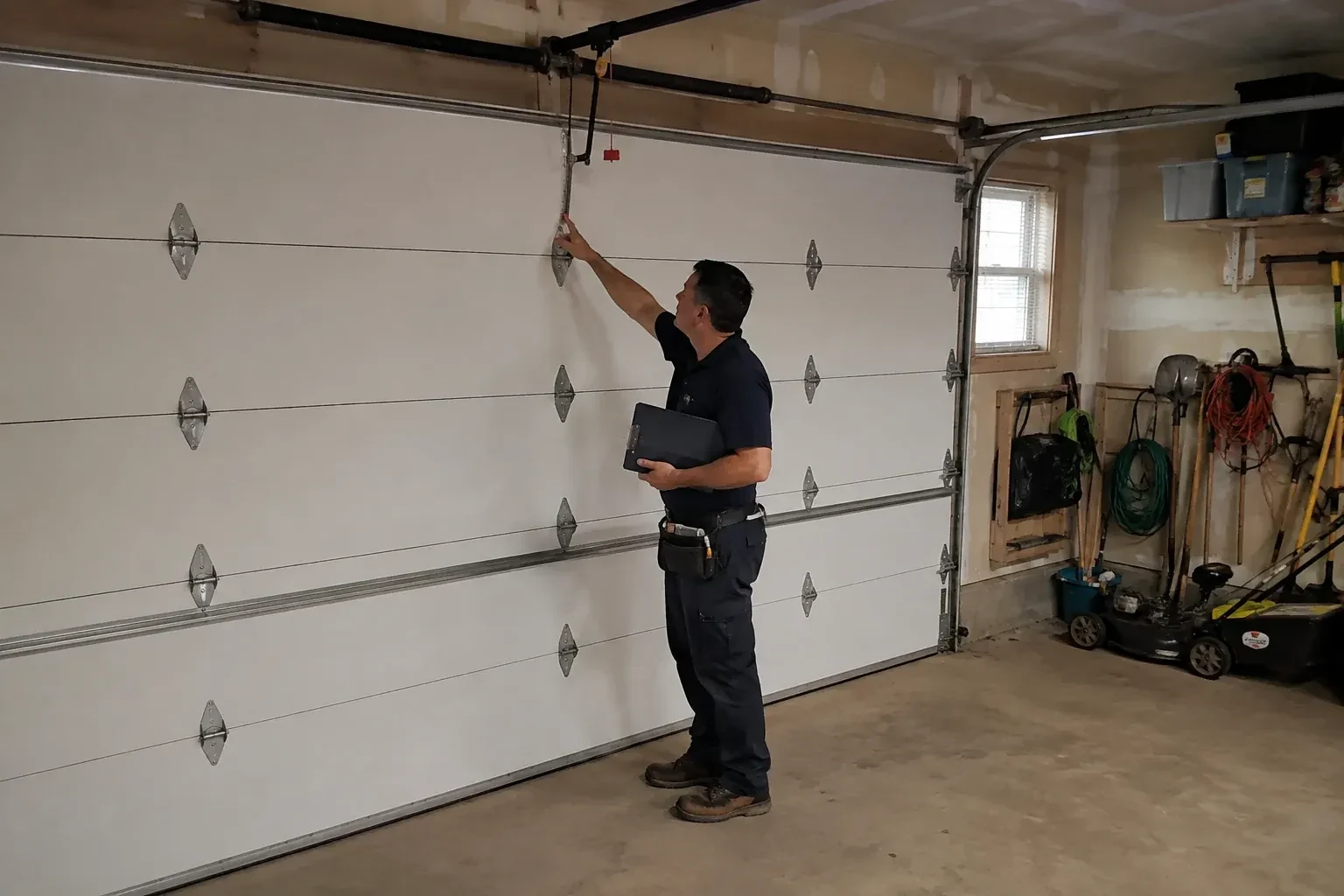
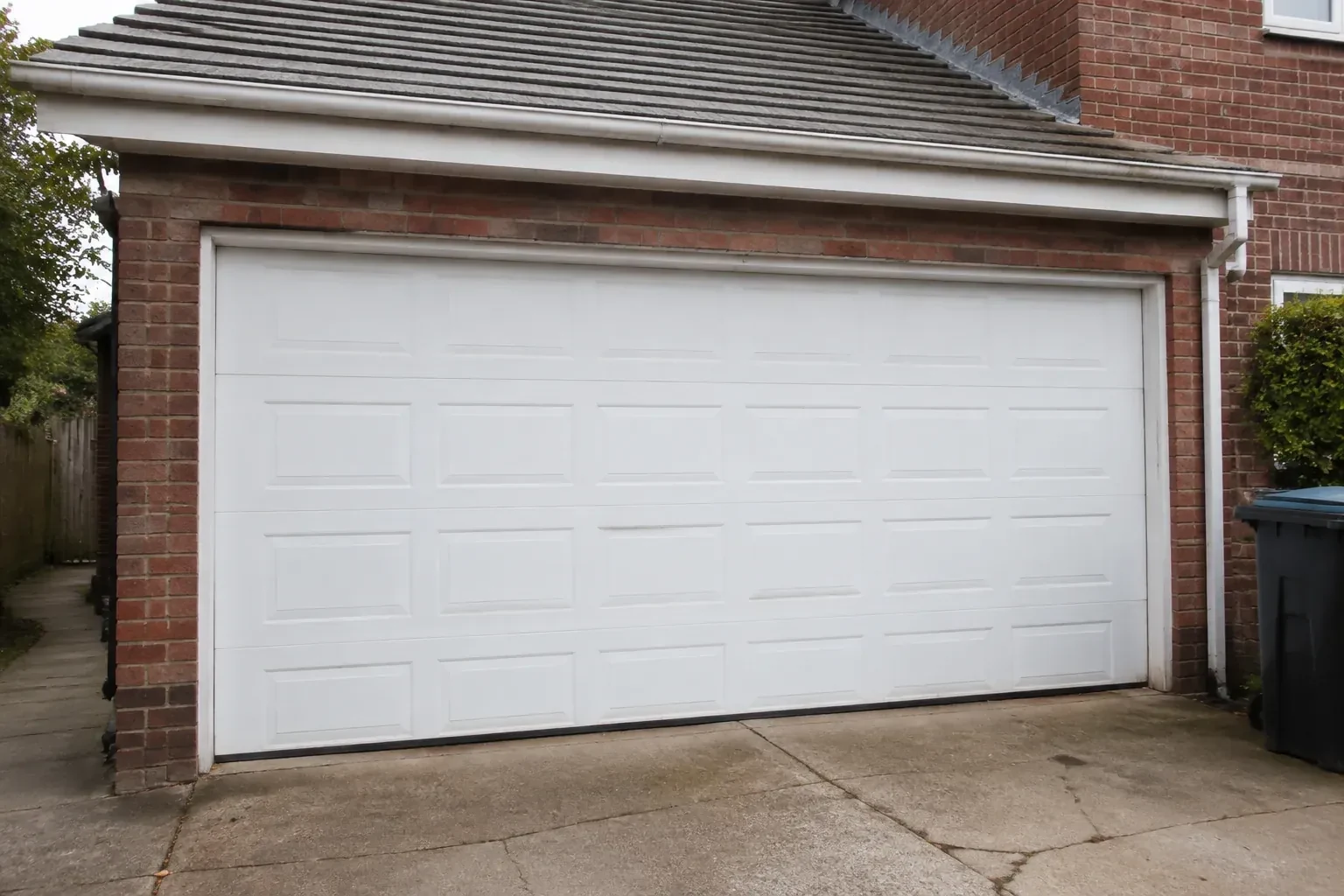
A garage door in Birchmount Park rarely fails all at once. It gets louder, slower or less even first. Our services are arranged so you can act at any point: a tune-up while it is still working, a repair when something lets go, or a replacement when the door has earned its retirement.
About 58% of homes in Toronto were built in 1980 or earlier, according to the 2021 Census.
Older homes
Where houses are older, the garage often sits beside the house rather than beneath a bedroom, so noise is a smaller concern and durability a larger one. Heavy-duty rollers, a properly sized torsion spring and cold-rated lubricant make an old door dependable for years.
Single-detached houses make up about 23% of homes in Toronto (2021 Census).
Apartment and condo buildings often have a single heavy door protecting the whole parking level, and when it stops, everyone is affected. We prioritise these calls, carry commercial operator parts, and set up a maintenance interval matched to the number of cycles the door sees each day.
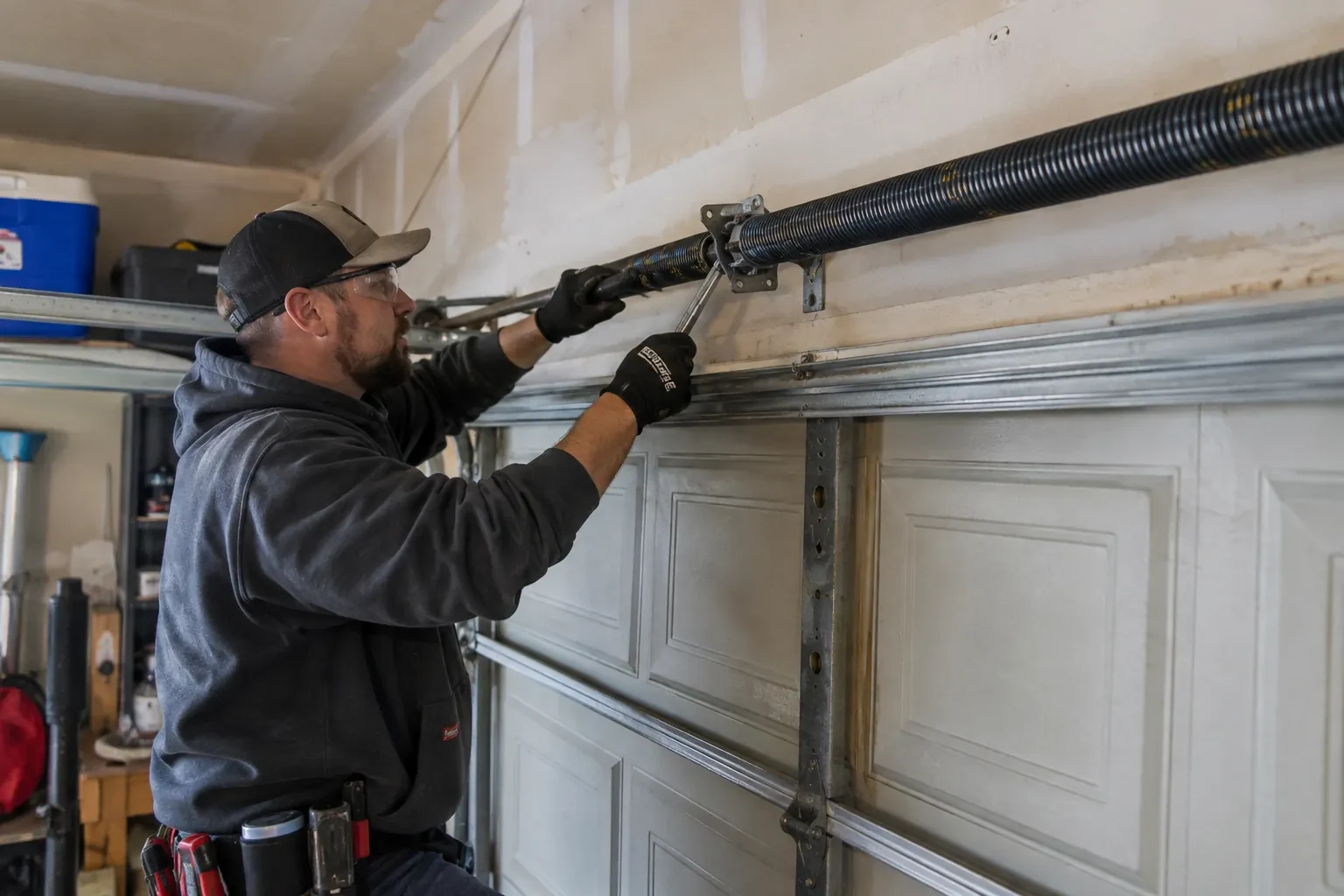
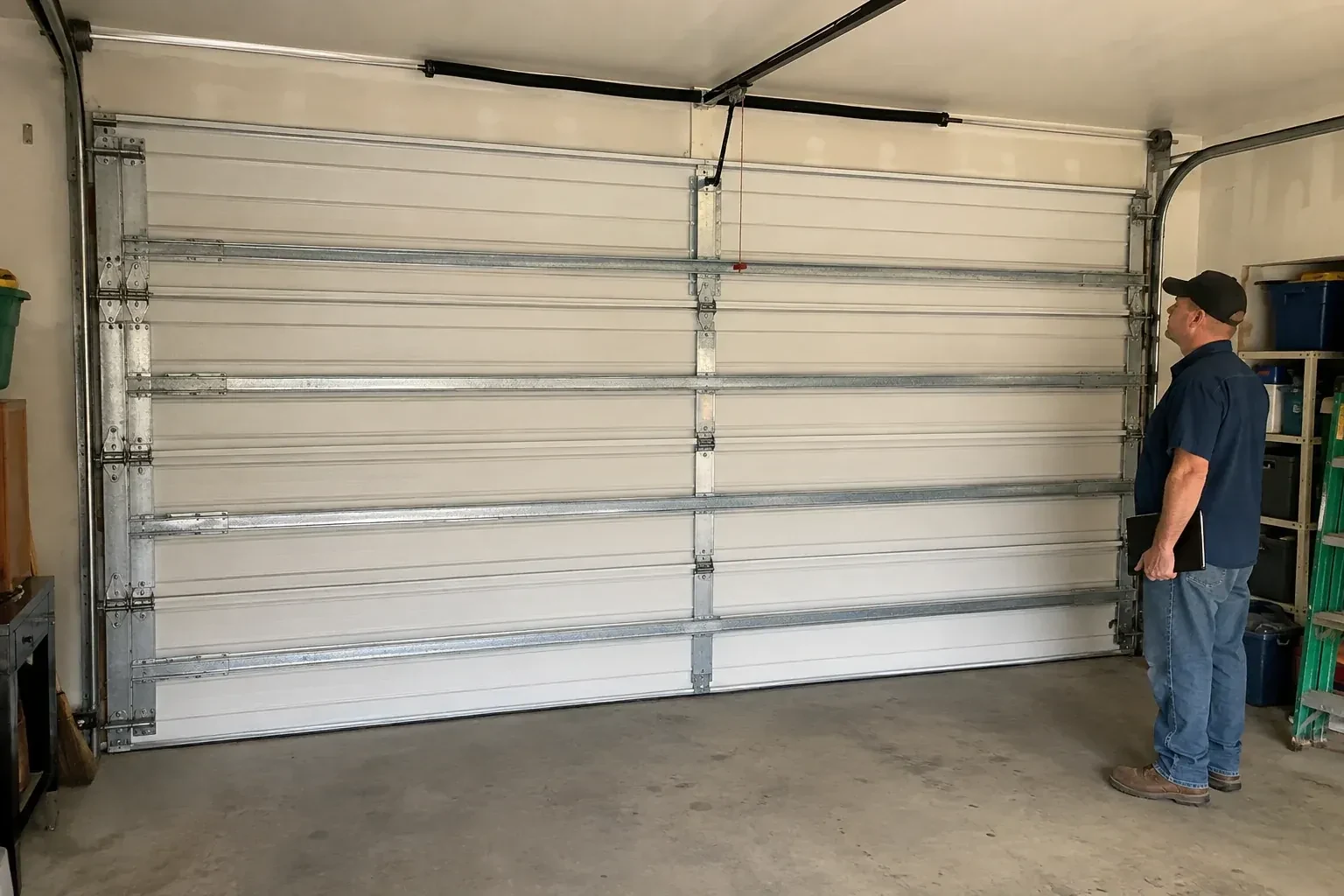
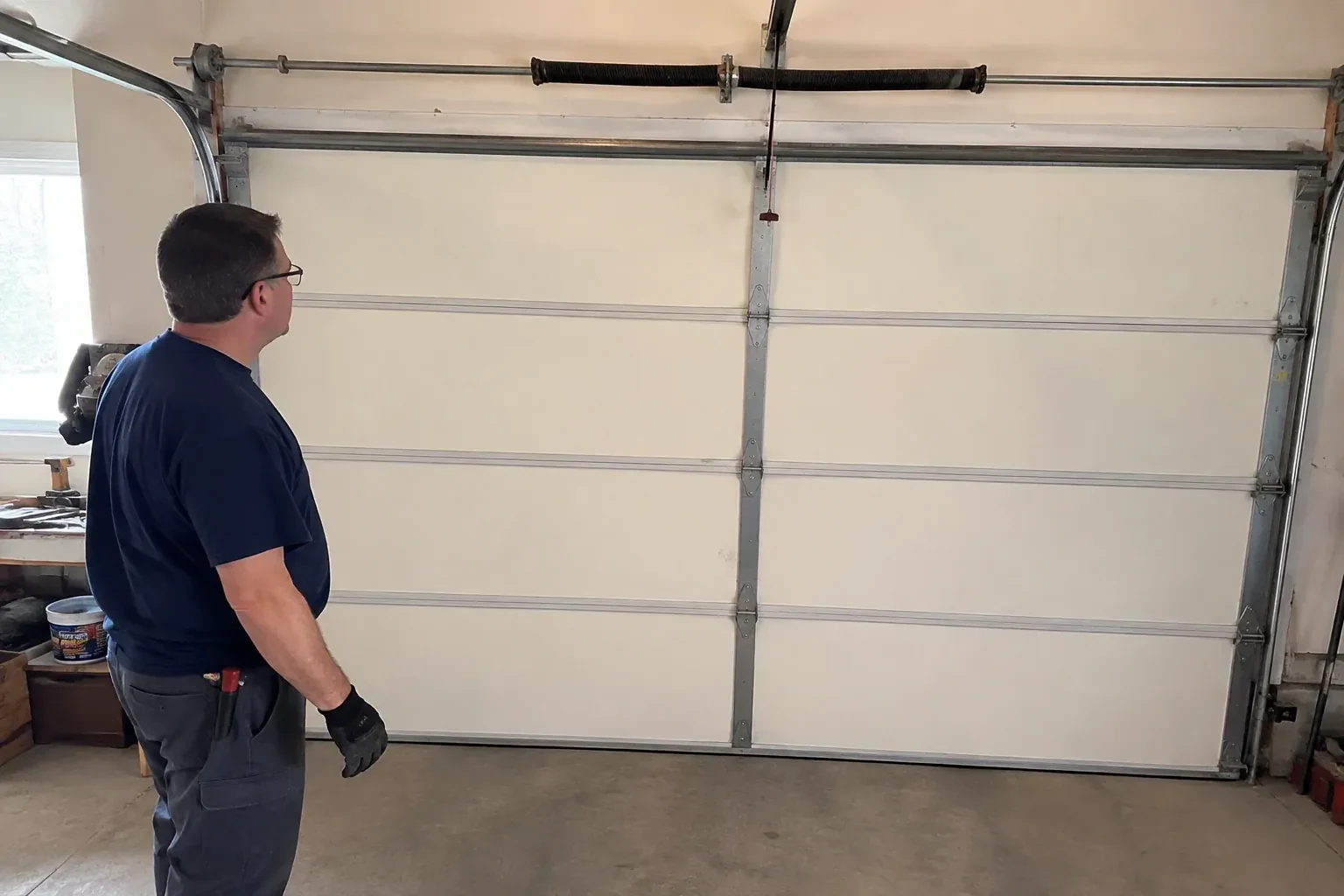
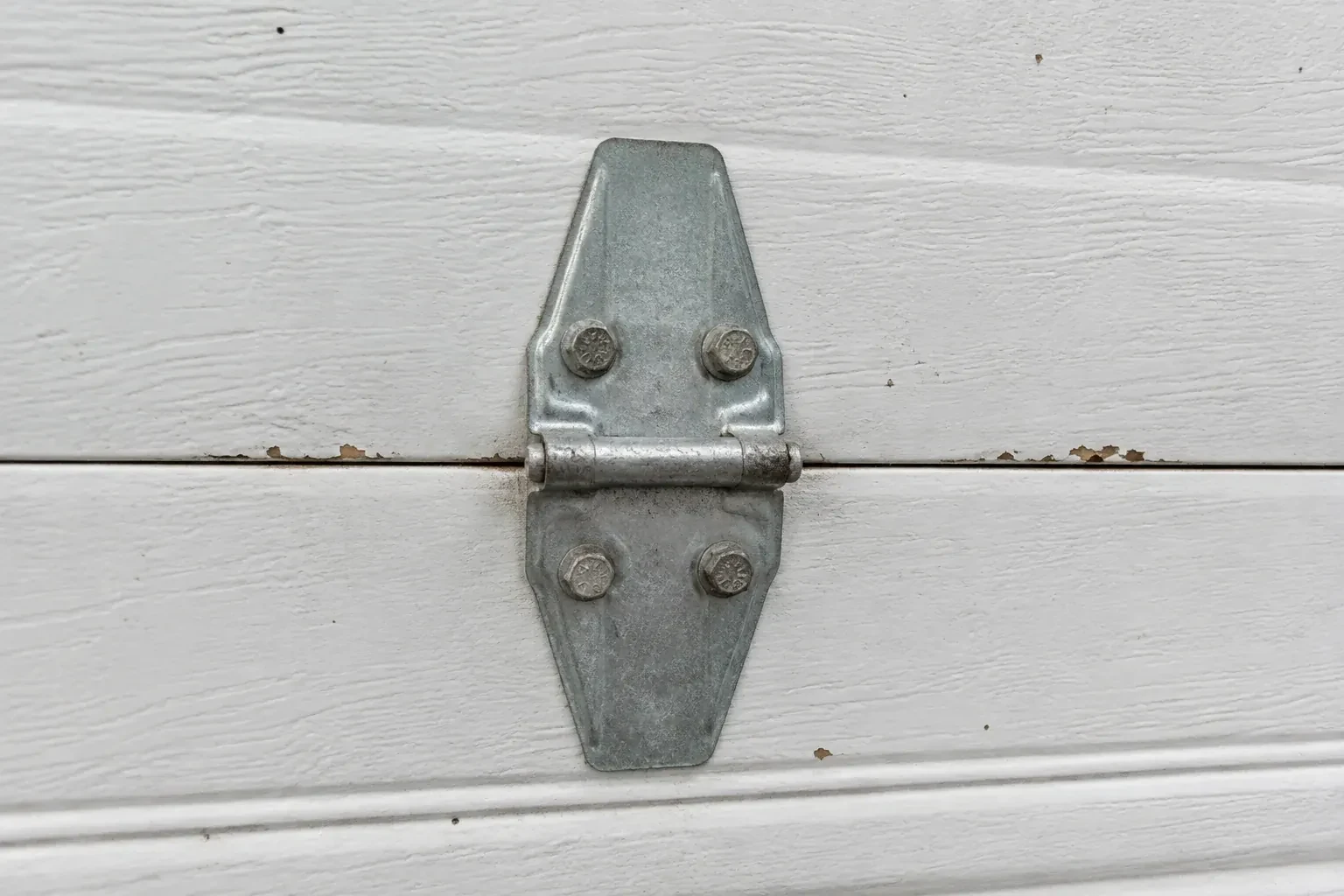
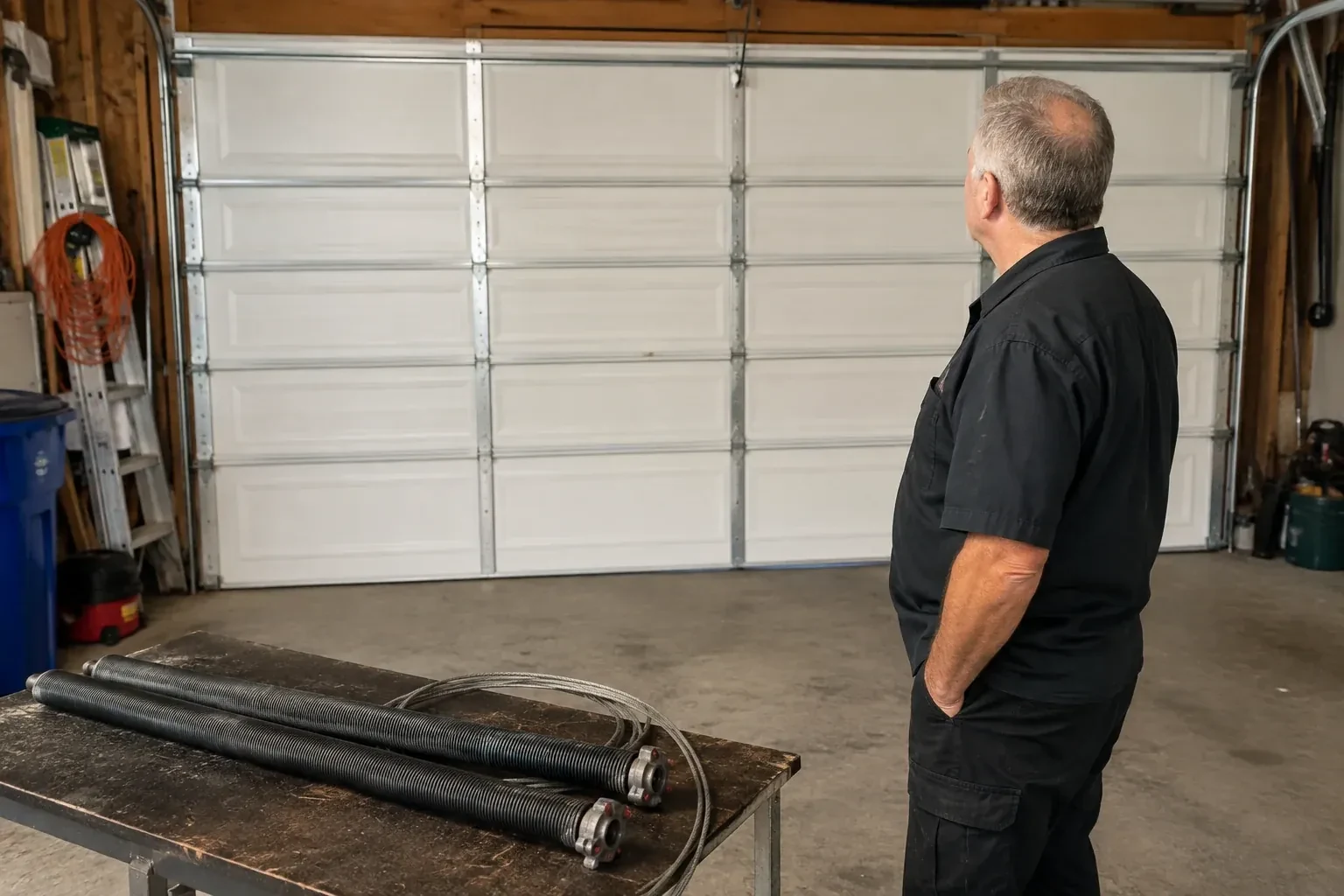
The lifting hardware takes the strain so the opener does not have to. We replace springs, cables and bearings before their wear passes down the line to more expensive parts.
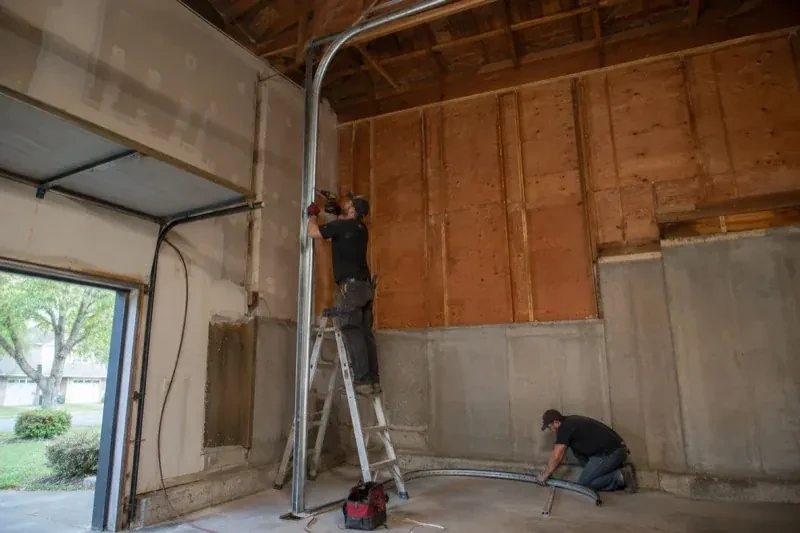
For builders and renovators, we fit doors into new openings and coordinate with the framing. For homeowners, we replace tired doors with ones chosen to suit the house and the climate.
There are mouse droppings along the wall behind the recycling bins, and at one bottom corner of the door the vinyl has a neat chewed notch the width of a thumb.
WhyHow do you tell whether an opener has reached its end or simply needs a part?
There is a wireless symbol printed on the opener above the car, and the manual mentions an app, but the head unit has never been connected to anything.
WhyA heavier decorative door may need a different spring specification, stronger section reinforcement or another opener arrangement than the former door.
A damaged glazed door has mismatched sections and uneven movement.
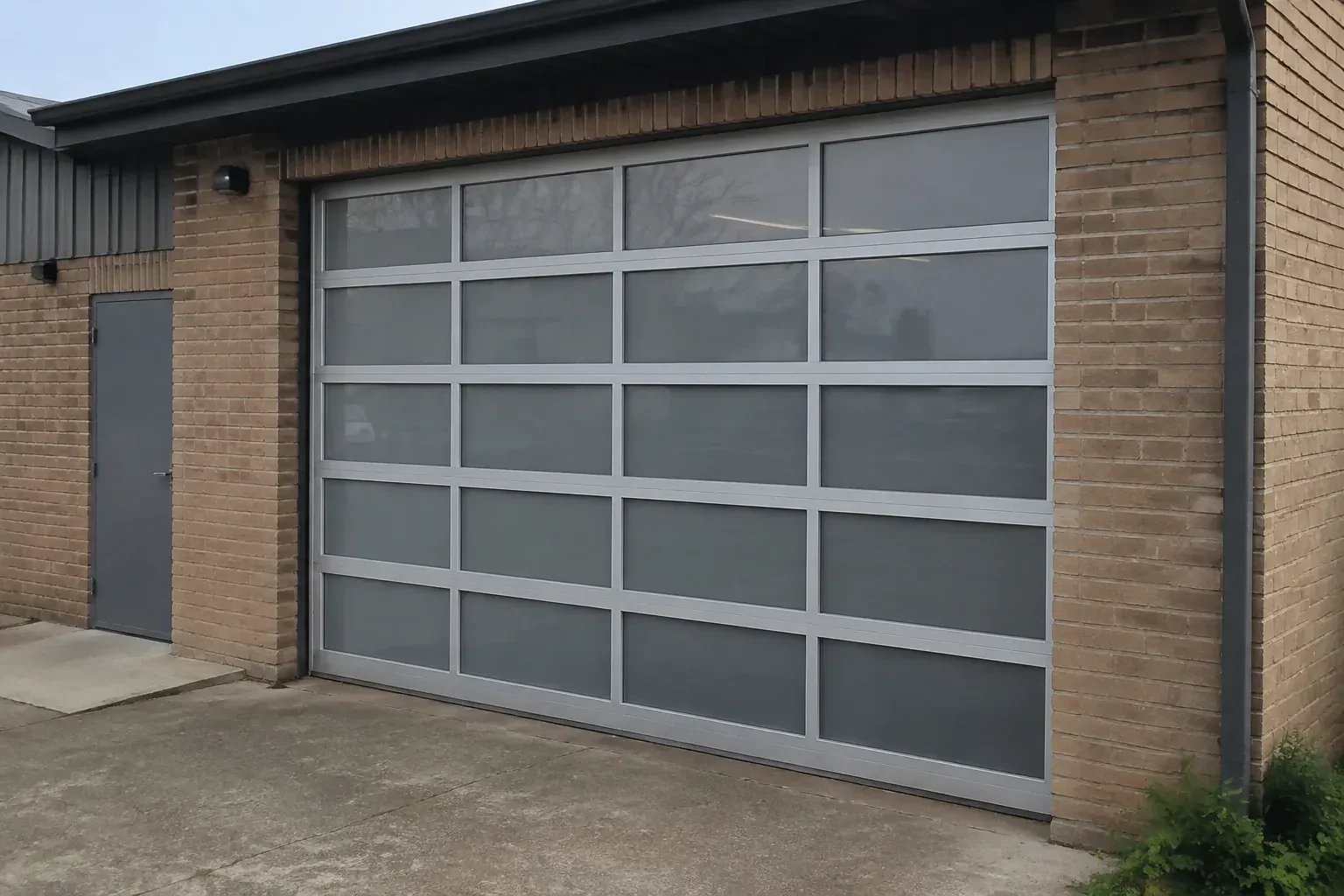
WhyBusinesses and home workshops often choose a glass sectional door to make an active room feel open while preserving a full vehicle-sized entrance.
An entrance. Not an afterthought.
1/10Garage Door Tune-Up
Twice this week the door started closing, stopped a metre from the floor and reopened on its own. One of the little sensor lights near the floor blinks instead of glowing steady, and the wall button has to be held to close it.
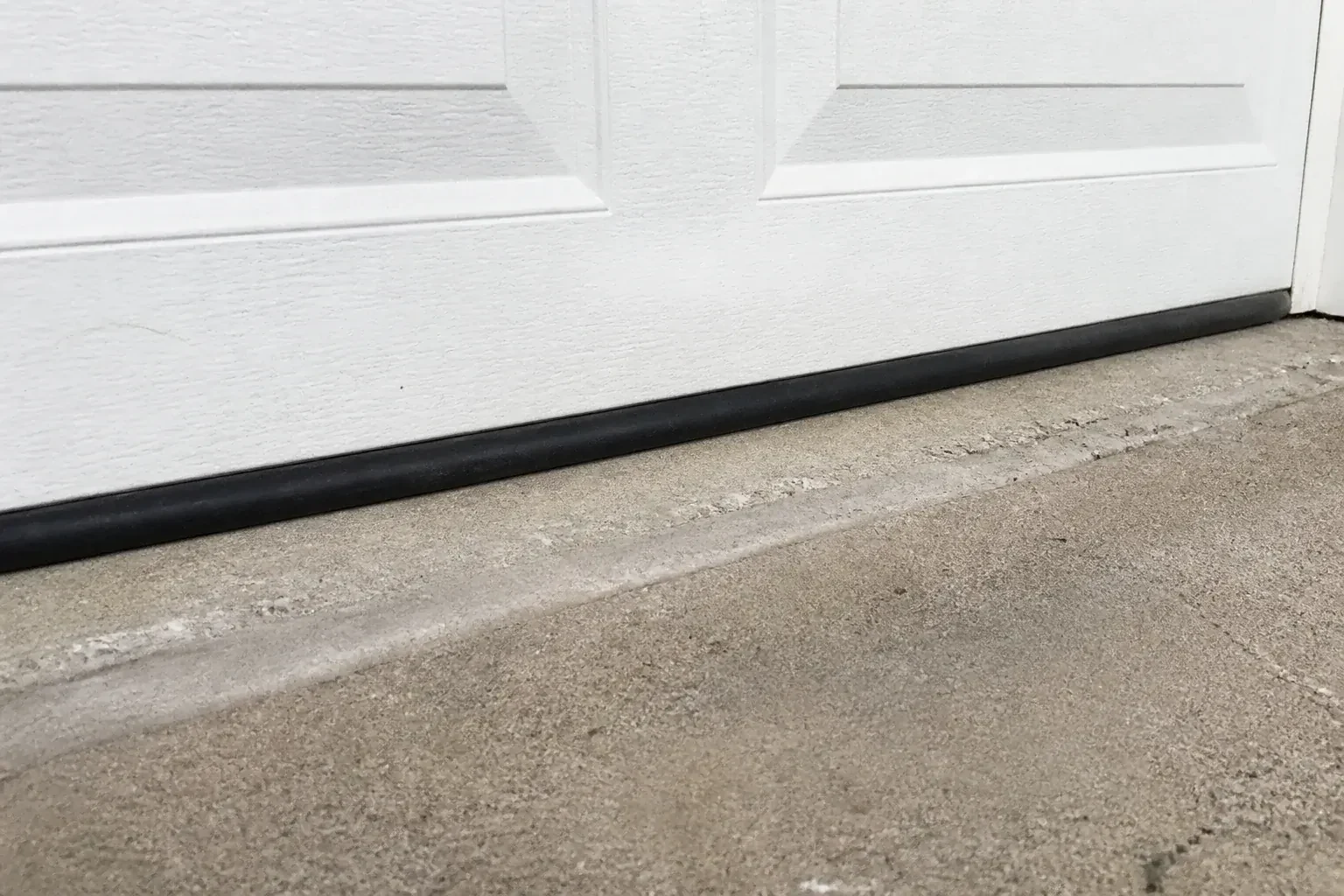
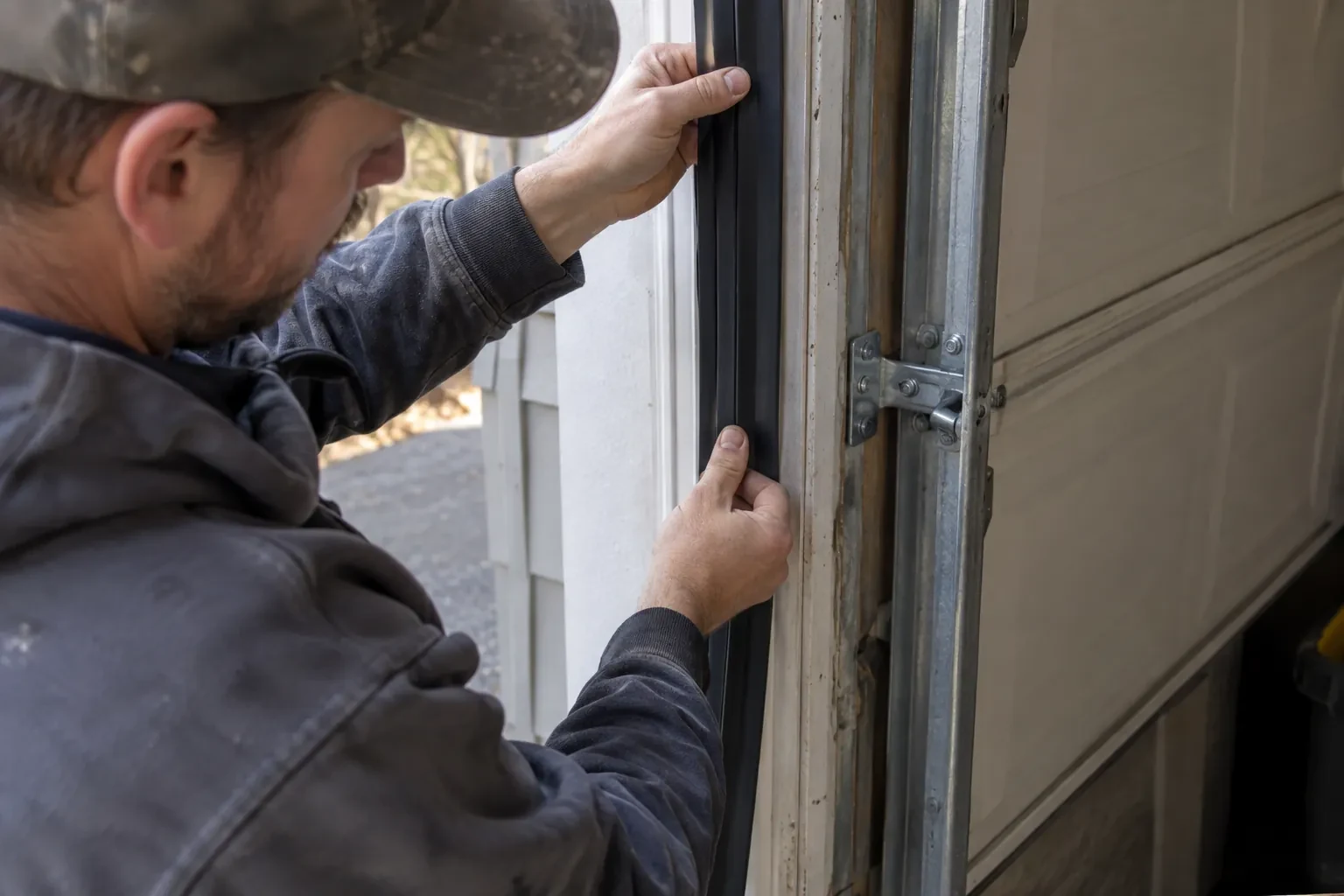
There are mouse droppings along the wall behind the recycling bins, and at one bottom corner of the door the vinyl has a neat chewed notch the width of a thumb. Something has found its way in for the winter.
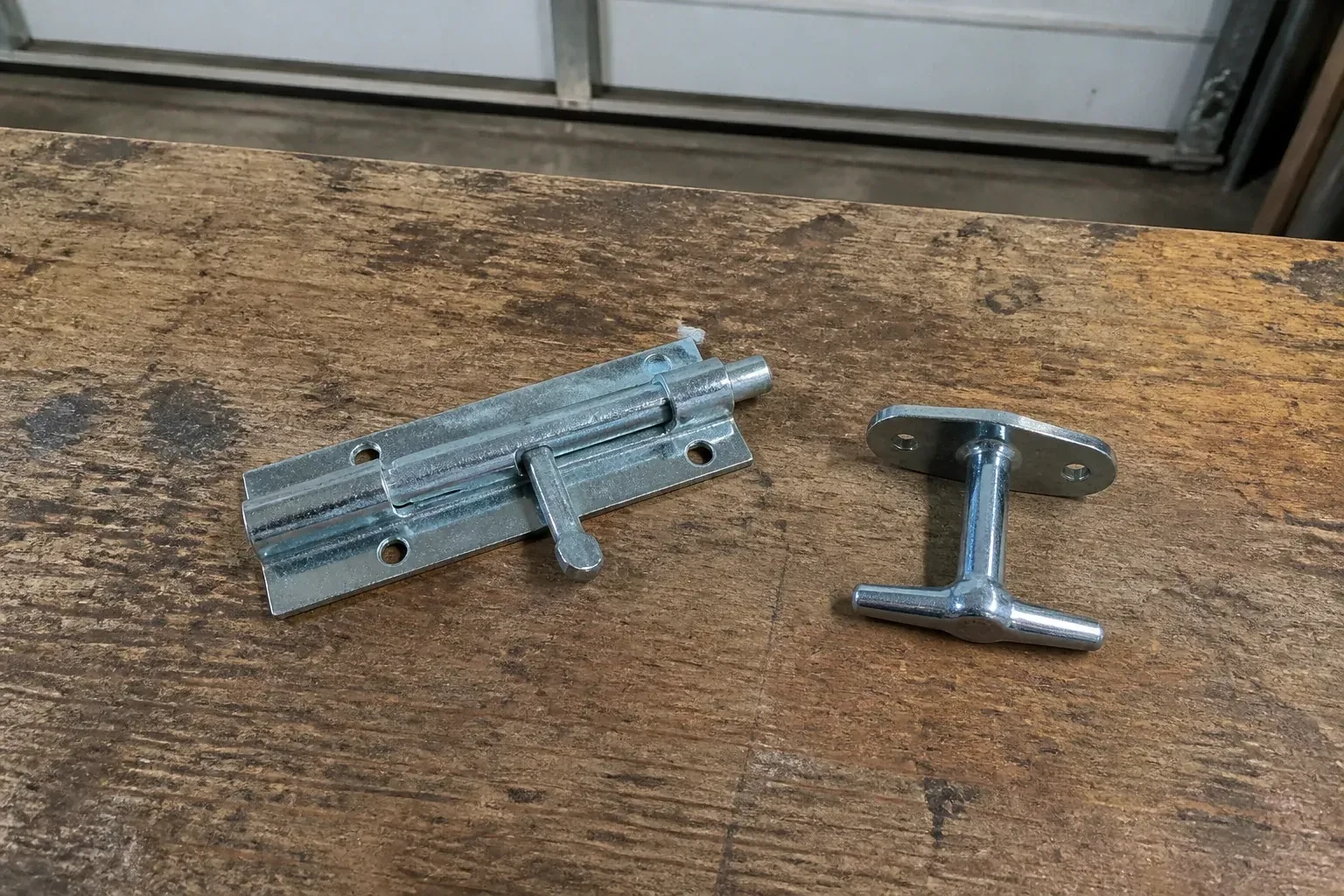
You have just moved in. The garage door carries a proper keyed handle on the outside, but no key came with the house, and the inside slide is painted over. You would like to be able to use it.
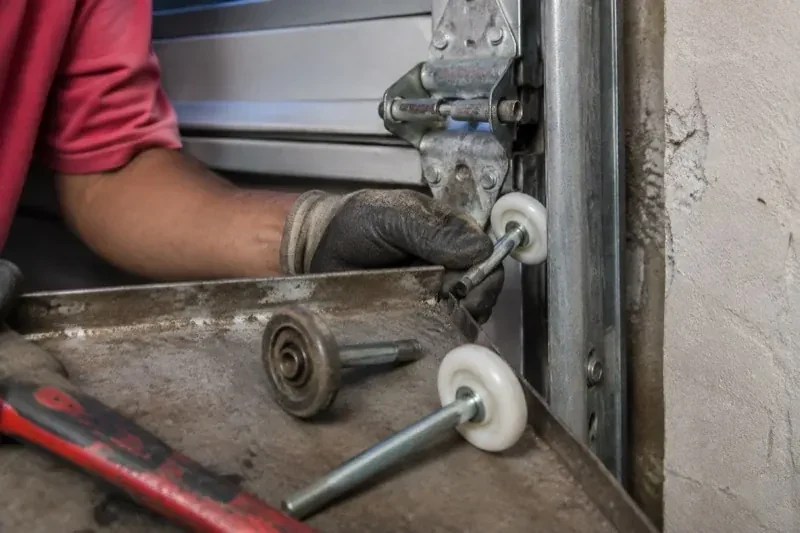
Since the cold snap the door has been stiff and noisy first thing, and after the last thaw the bottom corner began to judder. There is slush in the foot of the track and a bloom of rust on the lowest wheel.
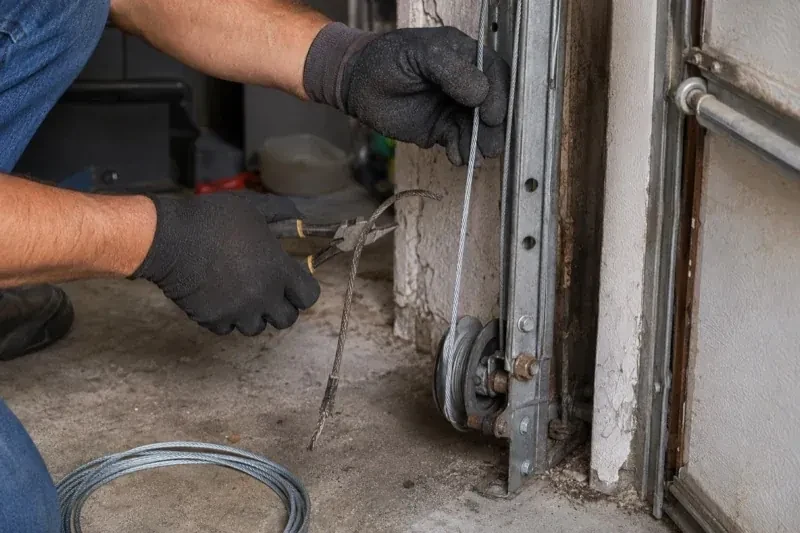
Standing inside with the door closed, you notice the cable on the right side near the floor has gone fuzzy. A handful of broken wires stick out like a bottle brush and the steel underneath is brown.
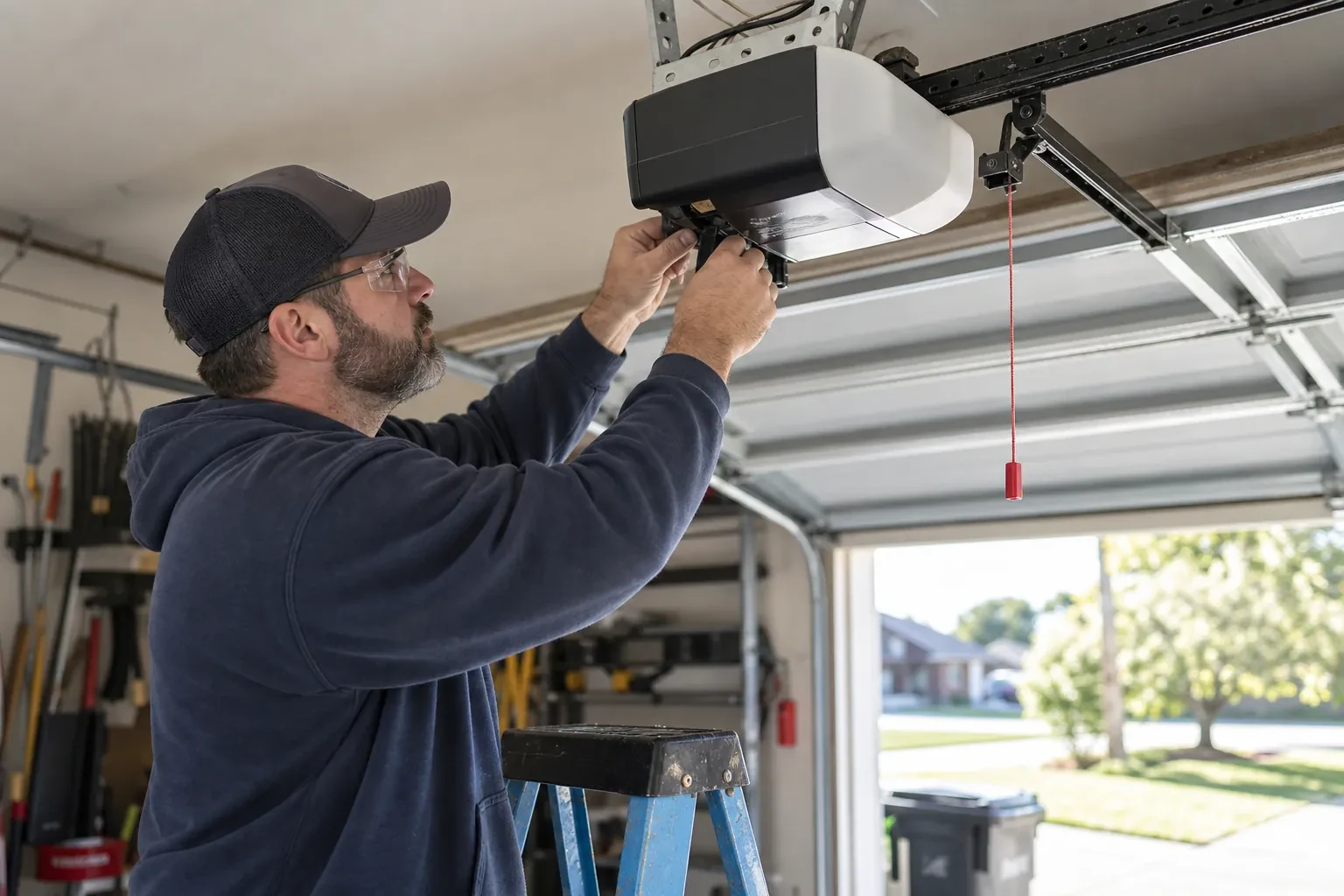
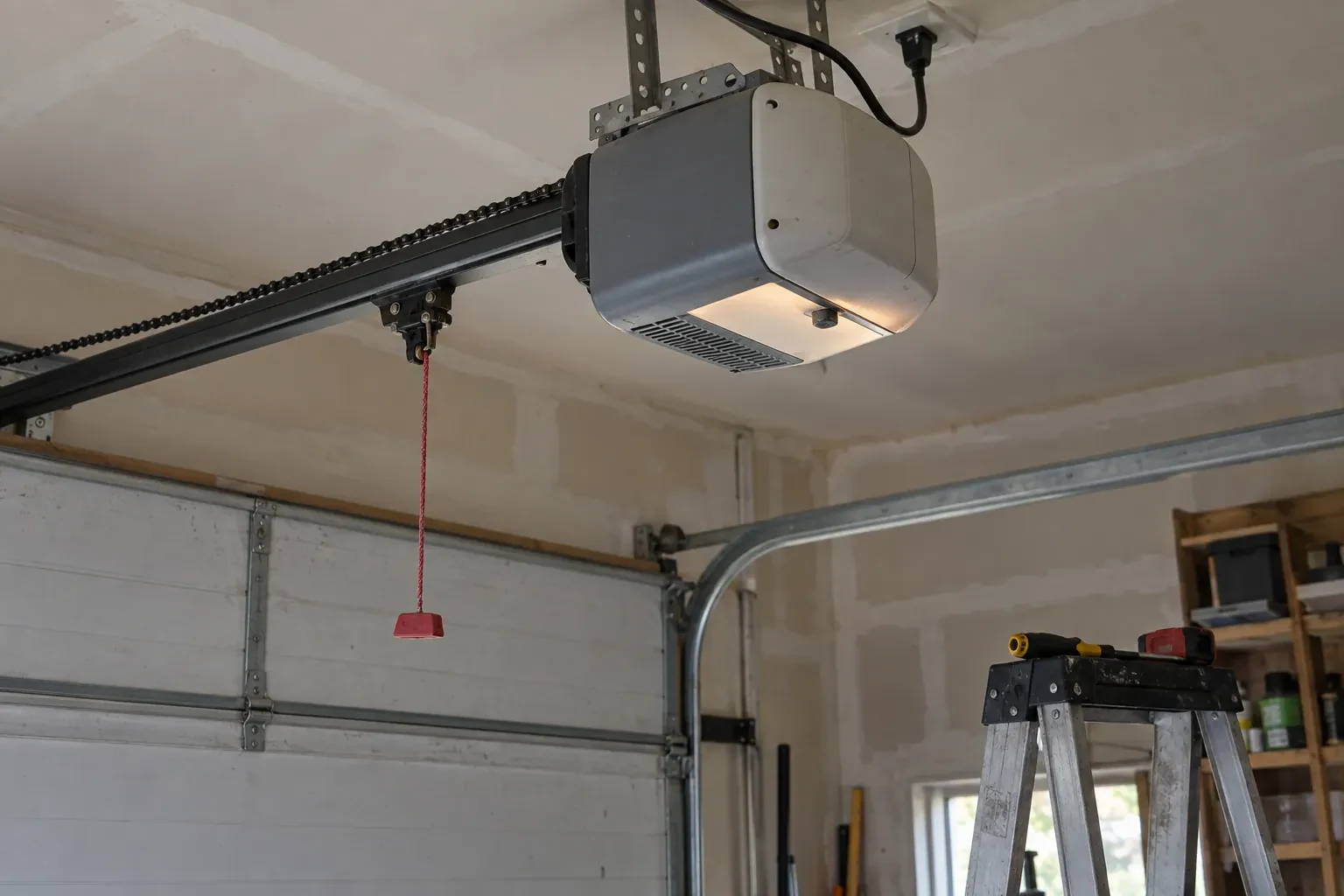
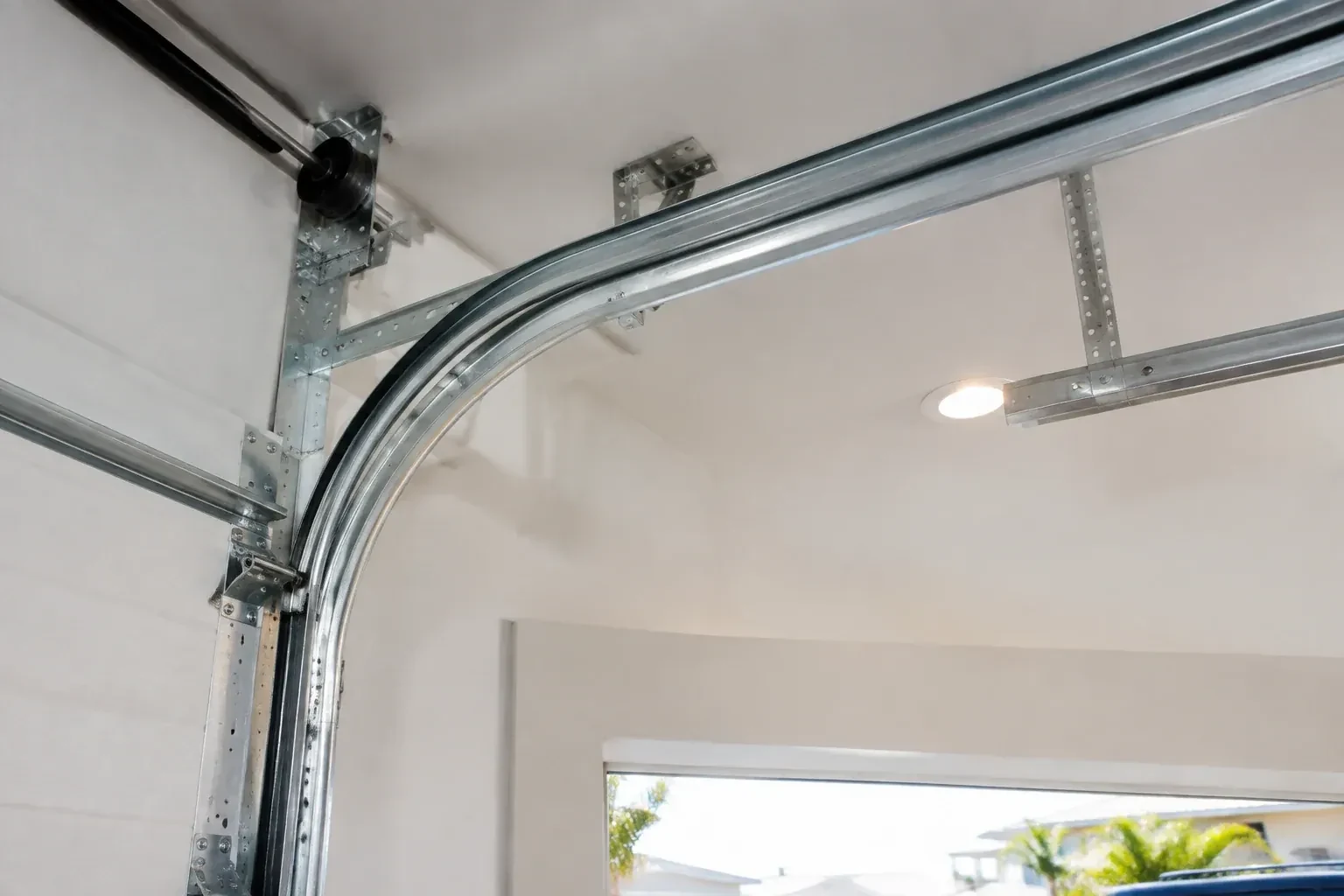
You want the ceiling back. A storage loft, a vehicle lift or kayak racks would fit if the long rail and motor box were not hanging in the middle of the garage, and the low ceiling of an older house leaves little room for the standard rail anyway.
There is a wireless symbol printed on the opener above the car, and the manual mentions an app, but the head unit has never been connected to anything. You downloaded the app once, it asked for a serial number and a network, and the moment passed.
You are combining two narrow garage bays into one broad opening. The new door spans much farther than either old door, bringing section reinforcement, track strength, jamb attachment, and design pressure into the planning conversation.
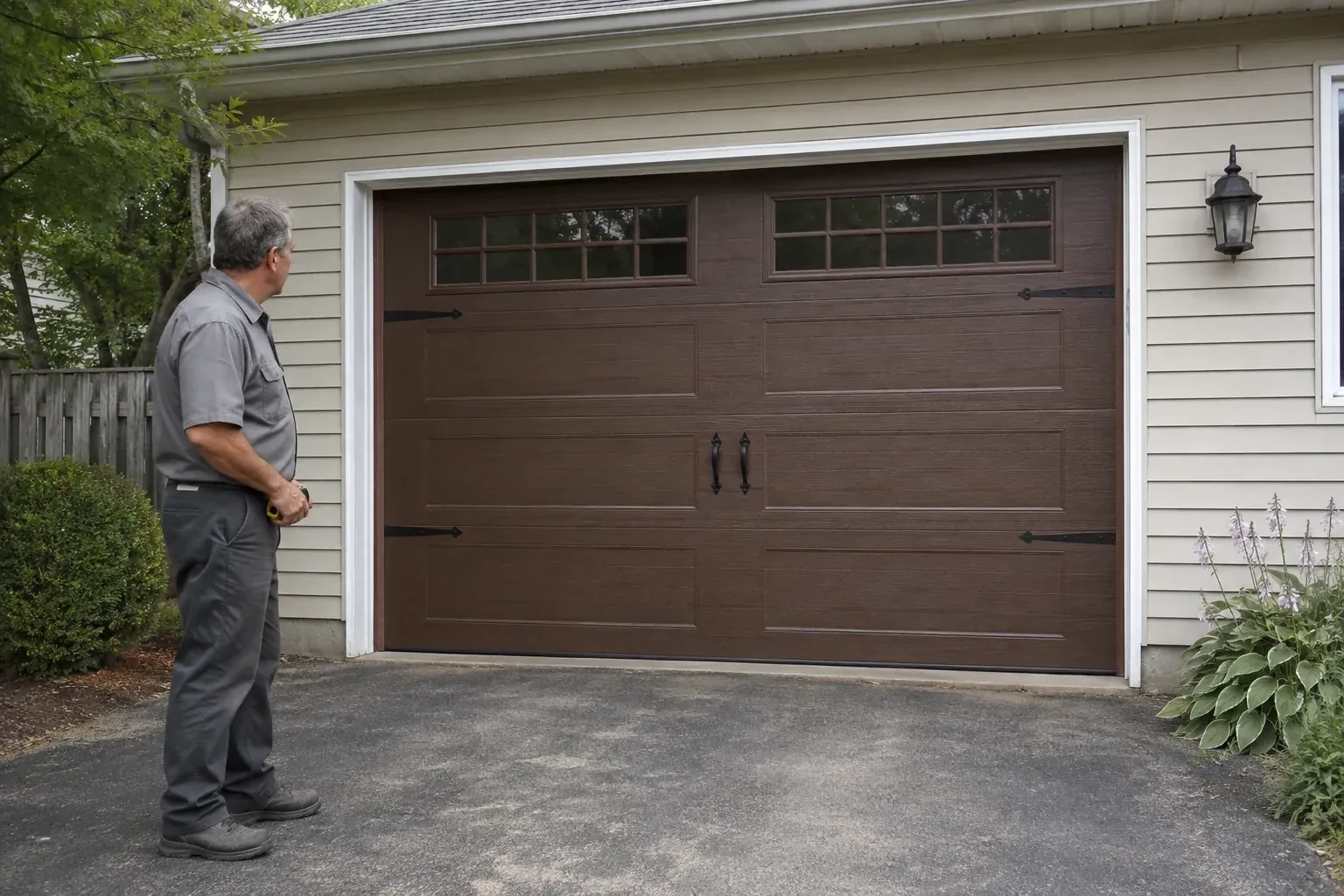
The existing door has reached the point where panels, rollers and finish all look tired. Rather than reproduce the same appearance, you want the replacement to become a considered architectural feature.
A damaged glazed door has mismatched sections and uneven movement. Instead of chasing separate pieces, you want a complete installation specified to the opening, door weight, tracks, springs and operator.
The sensor light is blinking. What does that mean?
On most openers a steady light on each photo-eye means the pair are aligned and seeing each other, and a blinking light means the beam is interrupted or the sensors are out of line. Common causes are a bracket nudged by a bin or a tire, dust or salt film on a lens, low sun at a certain hour, or a chafed wire. During a tune-up the lenses are cleaned, the brackets straightened, the pair realigned and the wiring checked back to the opener.
The seal looks fine, so why is there still daylight under the door?
A seal can look intact and still have taken a permanent set, so the bulb no longer springs up to fill the gap. Otherwise the gap belongs to something else: a door hanging out of level, a bowed bottom section, a floor that has settled at one end, or an opener down limit set so the door stops short. The first look during the visit sorts these apart so the fix goes to the right place.
What kinds of manual locks are found on garage doors?
Two are common on sectional doors. An inside slide bolt sits on the door's edge and shoots sideways into a slot in the vertical track; some are spring-loaded snap latches that lock on their own when the door closes. An outside keyed T-handle turns a centre mechanism that throws a bar into each track, though some models pull a cable to release a spring latch instead. Some doors add a keyed cylinder on the side to work the slide bolt from outside.
Are the bottom rollers different from the rest?
The wheels themselves are usually the same, but their home is not. The bottom rollers sit in the bottom brackets, which also anchor the lifting cables and therefore carry the counterbalance load whenever the door is closed. That is why manufacturers put warning labels there and why this position is handled by a trained technician who either exchanges the roller without disturbing the bracket or relieves the spring tension first. It is also the position most exposed to salt and slush, so it is inspected with extra care.
Why did the cable come off the drum?
A cable leaves its drum when it goes slack for a moment while the drum keeps turning. The usual reasons are the door closing onto an object or a ridge of ice so the bottom stops early, a spring that has lost tension or broken, or a drum whose set screws let it slip on the shaft. The technician finds which of these happened and corrects it so the new cable stays seated.
My old photo eyes still work. Can they stay?
Sensors and head unit are made for each other; a board reads its own maker's sensors, often a particular generation of them, so the pair in the box is what goes on the wall and the old ones come down with the old opener. The new pair sits low at each side of the doorway, roughly a hand's width above the concrete, and the technician confirms their indicator lights are steady before the door is tested against the beam.
Do you need my Wi-Fi password?
No. The technician will ask you to type it into the app yourself at the right moment and will look away while you do. The same goes for the account password and any verification code. The technician needs to see that the hub has joined and that commands work, not the credentials that made it happen. If you do not know your network password, find it before the visit; it is often printed on the router.
What should I watch for during strong winds?
During strong or severe winds, shelter in a basement or small interior room away from windows, doors and exterior walls, rather than watching the door while it blows. Once conditions have passed, look over the opening: note unusual bowing, new creases, displaced rollers, loose attachments, perimeter gaps, or movement at brackets and jambs, and let these details guide a later assessment.
Which materials are used for carriage-house garage doors?
Common choices include embossed steel sections, insulated steel with composite overlays, and wood or wood-faced sectional construction. They differ in weight, surface depth, grain, moisture response and care. Samples are helpful because photographs can flatten texture and alter colour. The chosen construction also guides spring sizing, reinforcement, fasteners and the kind of finish maintenance expected later.
What should I move before the installation visit?
Clear vehicles, bicycles, shelving on wheels and stored items from the door path and the areas beside the tracks. The crew also needs an unobstructed route for glazed sections and a clean staging space on padded supports. Mention fixed cabinets, ceiling storage, vehicle lifts or delicate flooring early so protection and handling can be planned around them.
Request a visit
For an older door in Birchmount Park we look for ways to keep it. Original wood doors and extension-spring setups can run for many more years with safety cables, fresh pulleys and a properly set opener. When a door truly is finished, we say so and explain what a replacement would involve, without pushing.