Garage Doors in Kennedy Park, OntarioRollers, hingesand the small parts.
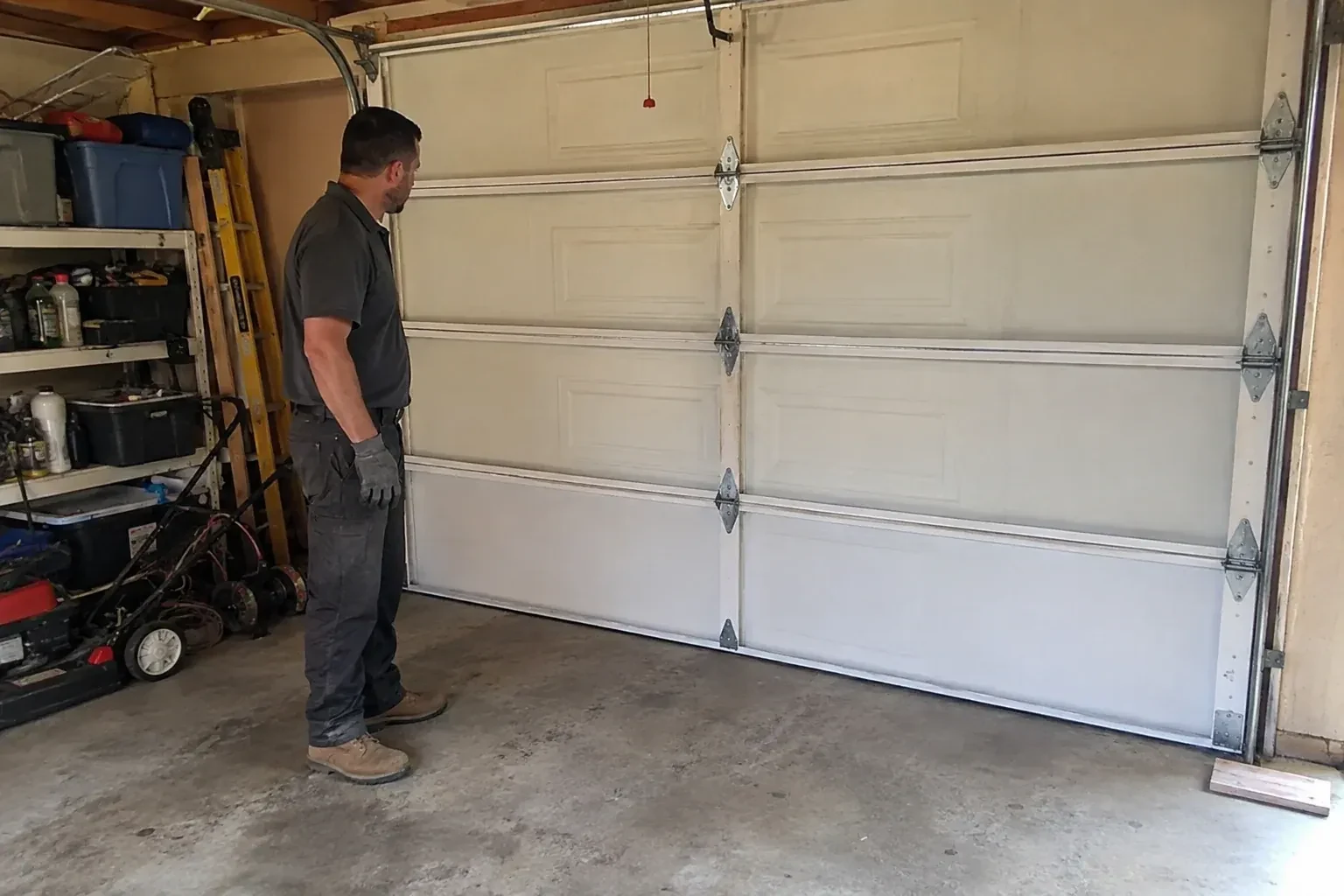
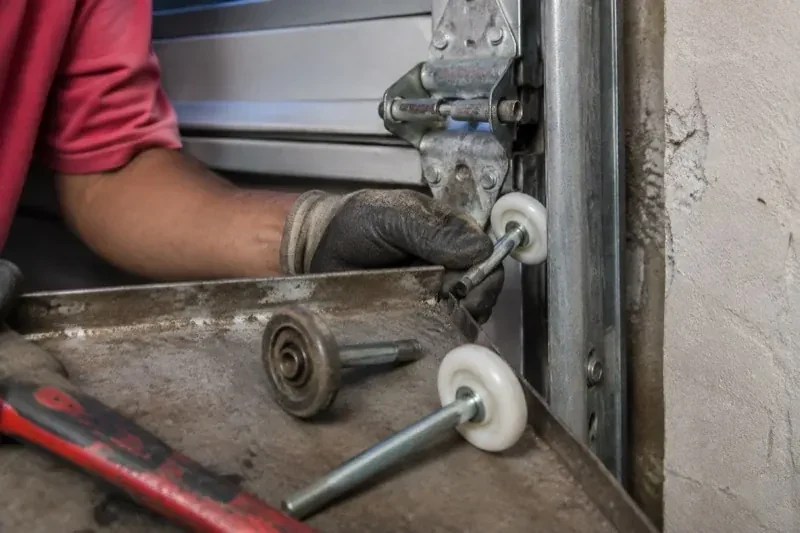
Most of what goes wrong with a garage door in Kennedy Park is small: a cracked roller, a hinge with an oval hole, a bearing that dried out. We carry those parts, replace them in sets so wear stays even, and lubricate the rest, which is often all a noisy or sticky door needed.
Most of what goes wrong with a garage door in Kennedy Park is small: a cracked roller, a hinge with an oval hole, a bearing that dried out. We carry those parts, replace them in sets so wear stays even, and lubricate the rest, which is often all a noisy or sticky door needed.
Small adjustments, long-lasting results.
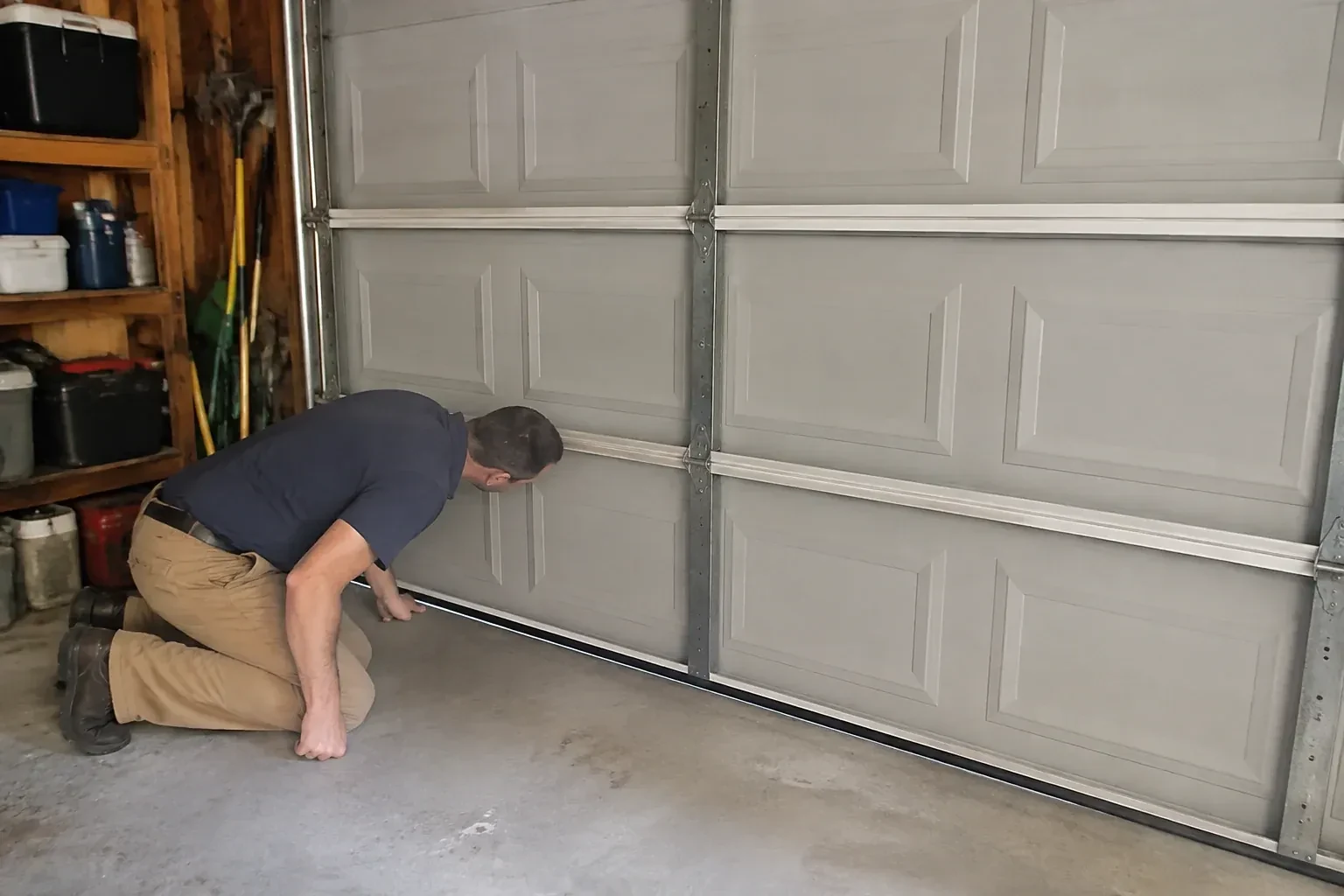
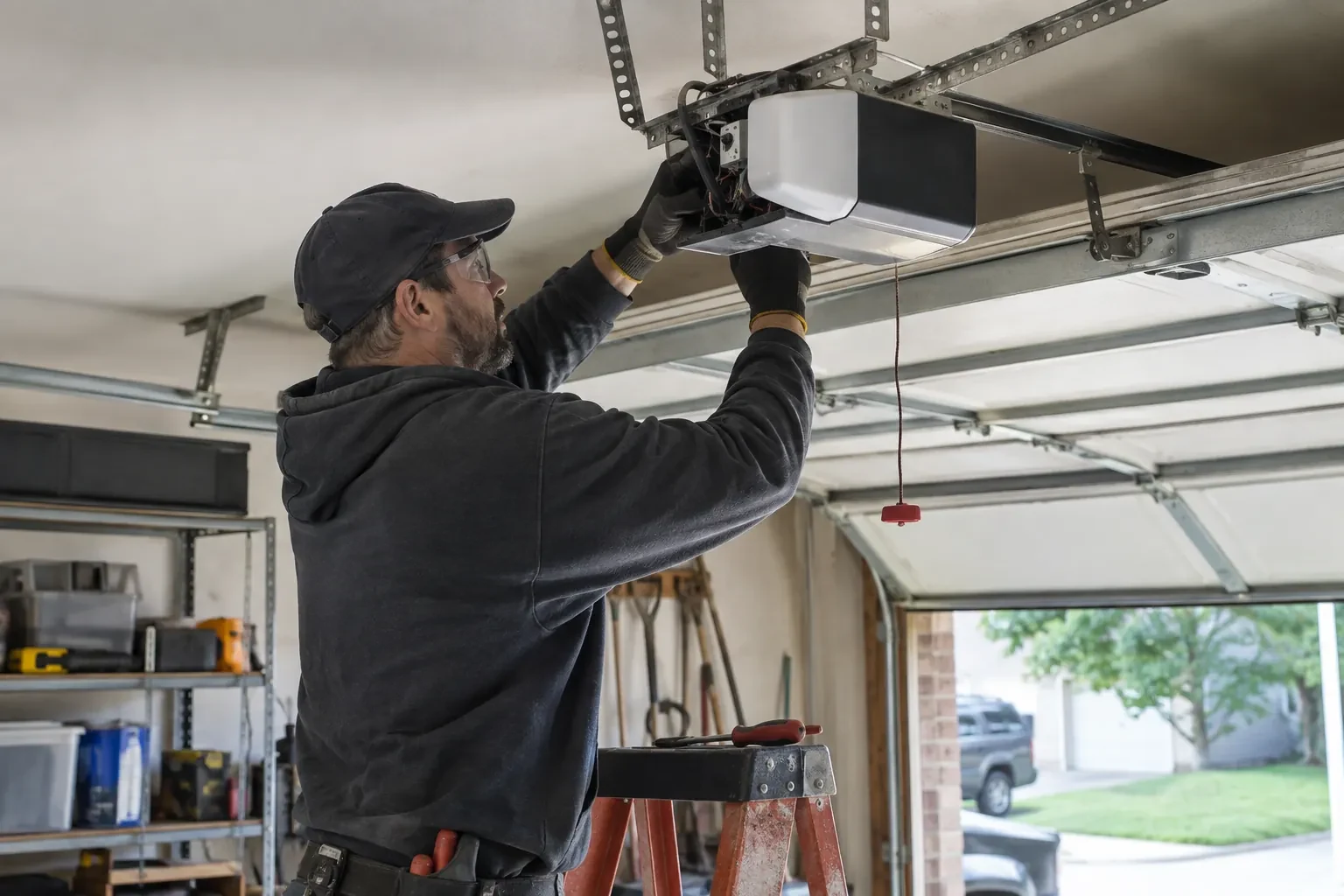
When a garage door in Kennedy Park has stopped, the household is usually stuck too, so we organise the day around getting the door moving safely. The technician clears the fault, checks the rest of the door so the next part does not follow, and explains what he did before he drives away.
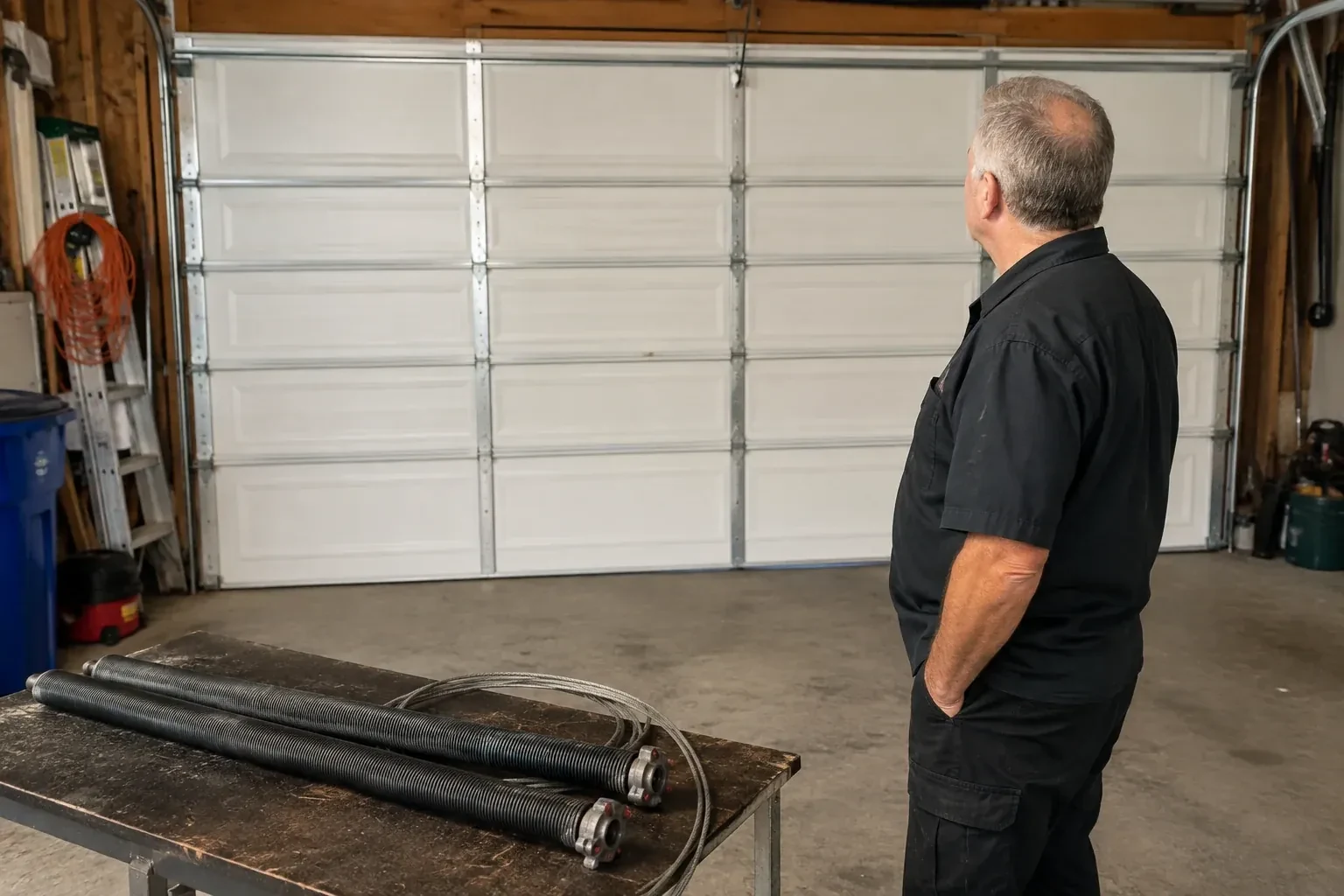
Our vans are stocked like small workshops before they set out for Kennedy Park: torsion and extension springs in the common sizes, cables, drums, bearings, rollers, hinges, seals, opener gears, sensors and remotes. A garage door usually fails in one of a dozen familiar ways, and having the part on hand means the door is working again by the time we drive off.
17years in business
24/7open every day
The diagnosis first. No work begins until you have heard what we found and agreed on the plan. That is how we avoid surprises on both sides.
A clean finish. Grease wiped from the tracks, hardware tightened, tools packed, the space swept. Tidy work is part of doing the job well.
Options explained side by side. A modest repair, a lasting one, a full replacement: you see how they compare so the choice is yours to make.
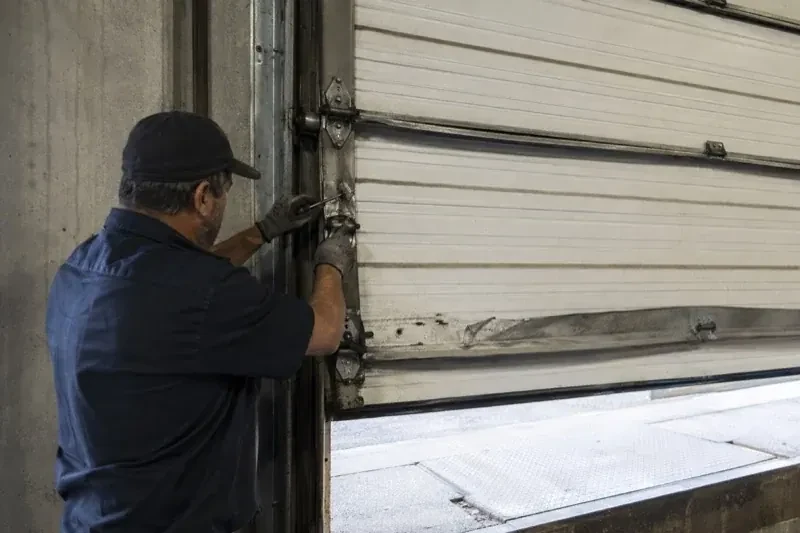
Shops, warehouses and service bays in Kennedy Park have their own list: rolling steel doors, heavy sectional doors, industrial operators, safety edges and high-cycle springs. Alongside our residential work, we service and replace all of these and can set up a maintenance schedule that fits your operating hours.
About 58% of homes in Toronto were built in 1980 or earlier, according to the 2021 Census.
Older homes
Original openers in older neighbourhoods often predate photo-eye sensors and rolling-code remotes. Bringing one up to date means a quieter motor, sensors that stop the door for a child or pet, and remotes that cannot be copied from the driveway, all installed in a single visit.
Single-detached houses make up about 23% of homes in Toronto (2021 Census).
Condo and townhouse garages are frequently used for storage as much as parking, with the door opened many times a day, and the shared walls mean vibration travels. A well-balanced door, tight hardware and a quiet opener are the upgrades residents notice most.
You pulled the red cord to lift the door by hand during a power cut and it felt like lifting a car. The opener has been doing all the work and grumbling about it, and you are not sure how long that can go on.
It is a February morning and the key goes only halfway into the garage handle. Yesterday's melt ran down the door face and into the keyway, and overnight it set like glass. The key flexes; the cylinder stays put.
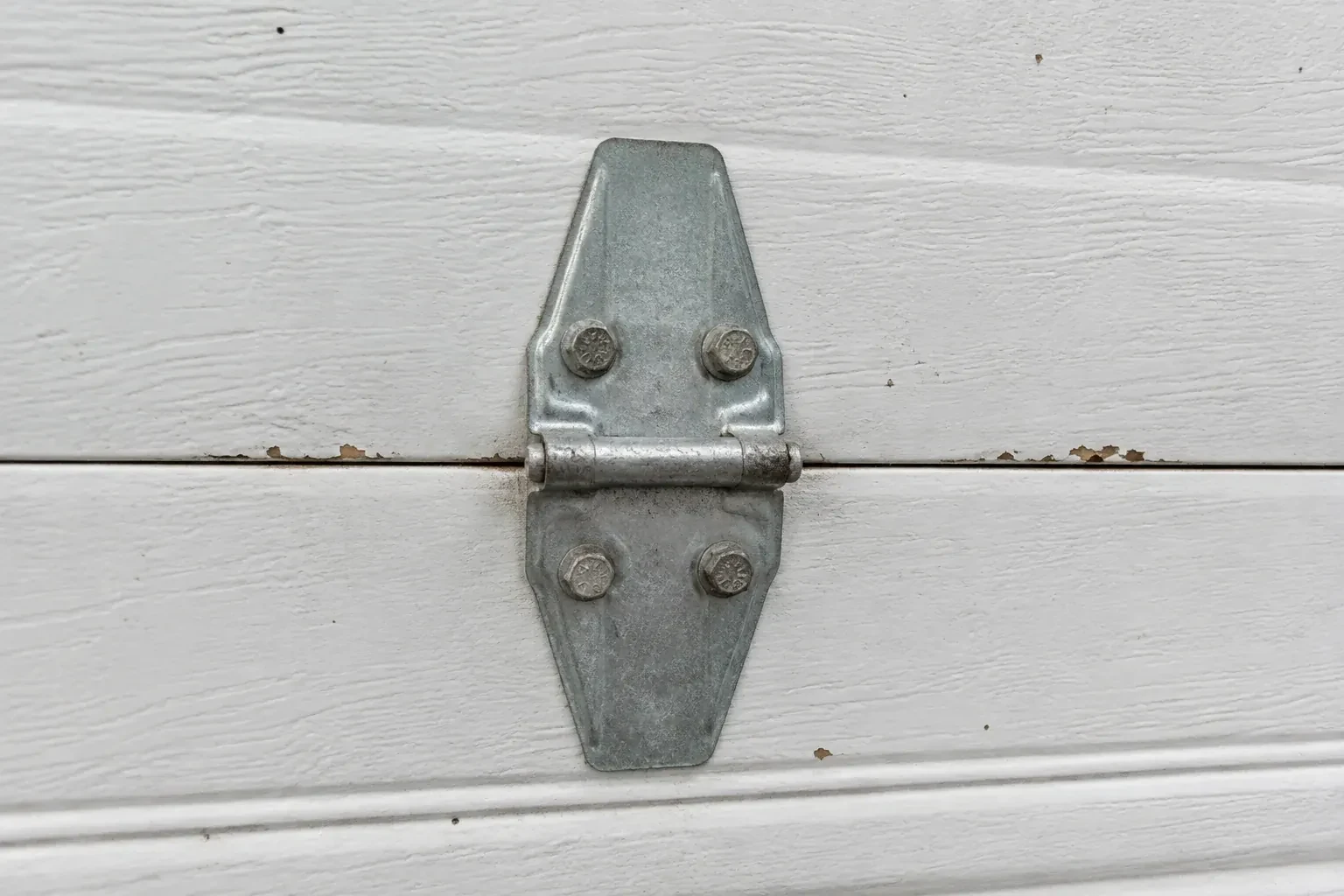
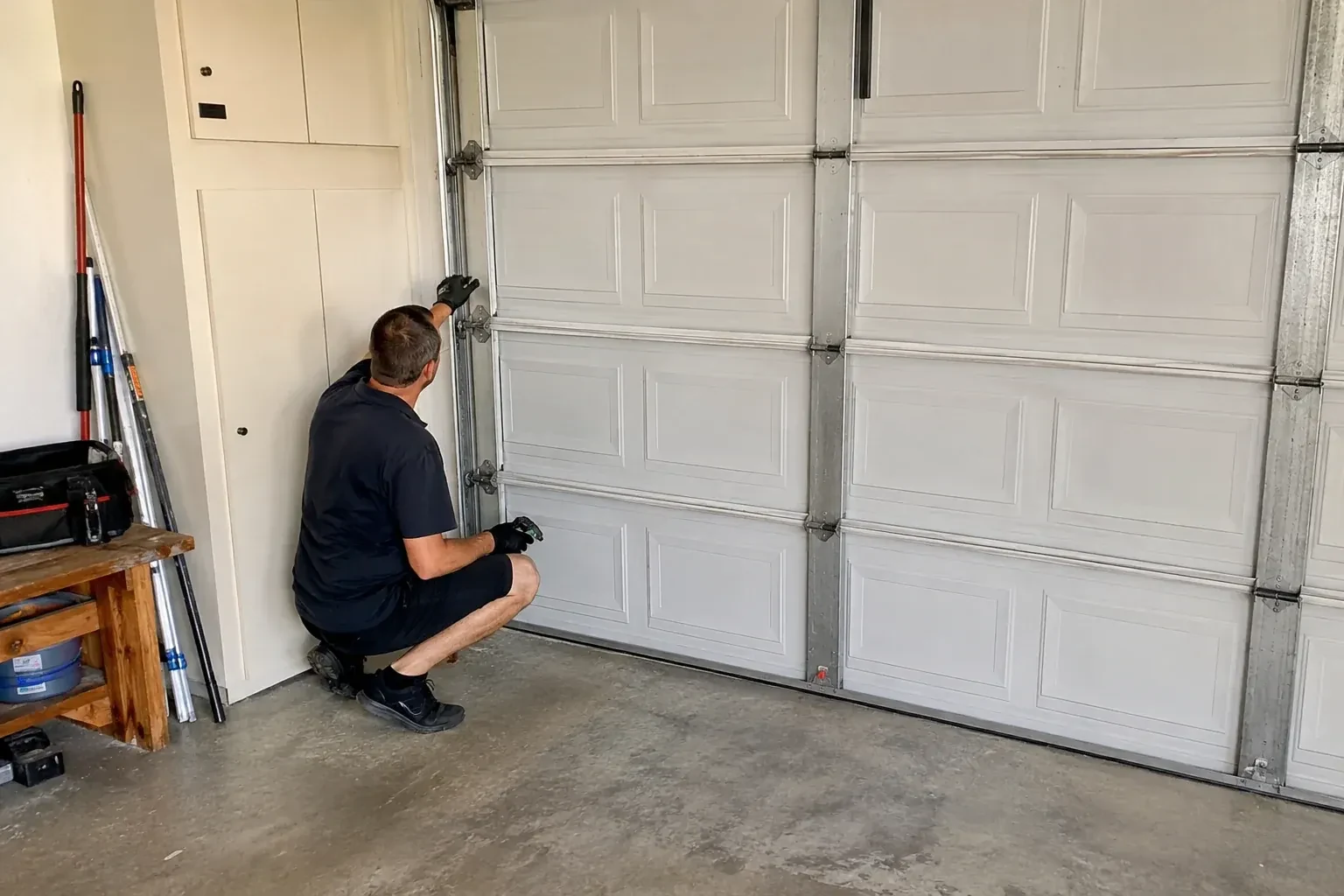
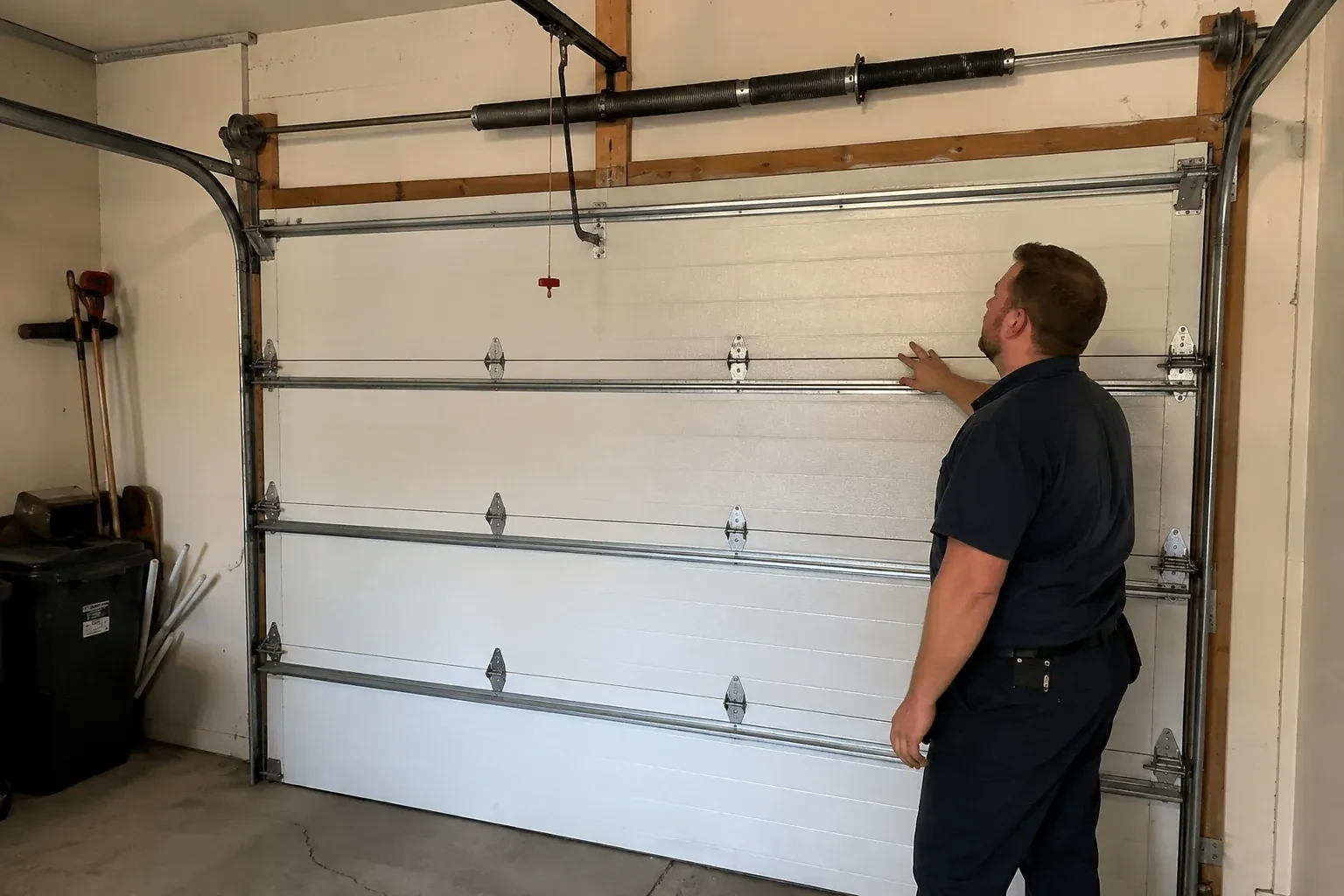
Pressing a hand against one of the middle hinges makes it rock on the panel. The screws turn and turn without ever tightening, and there is a rattle from that spot every time the door settles onto the floor.
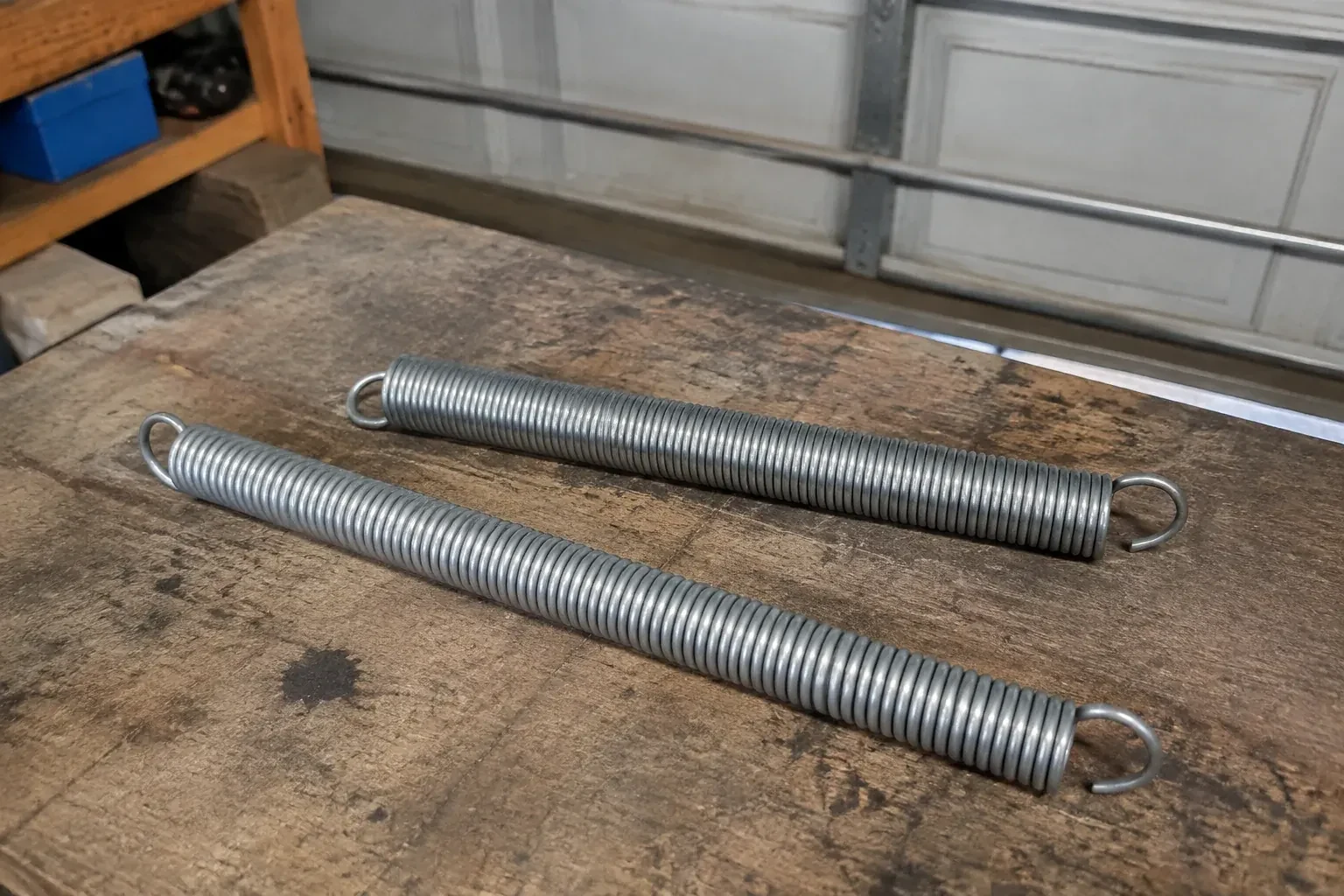
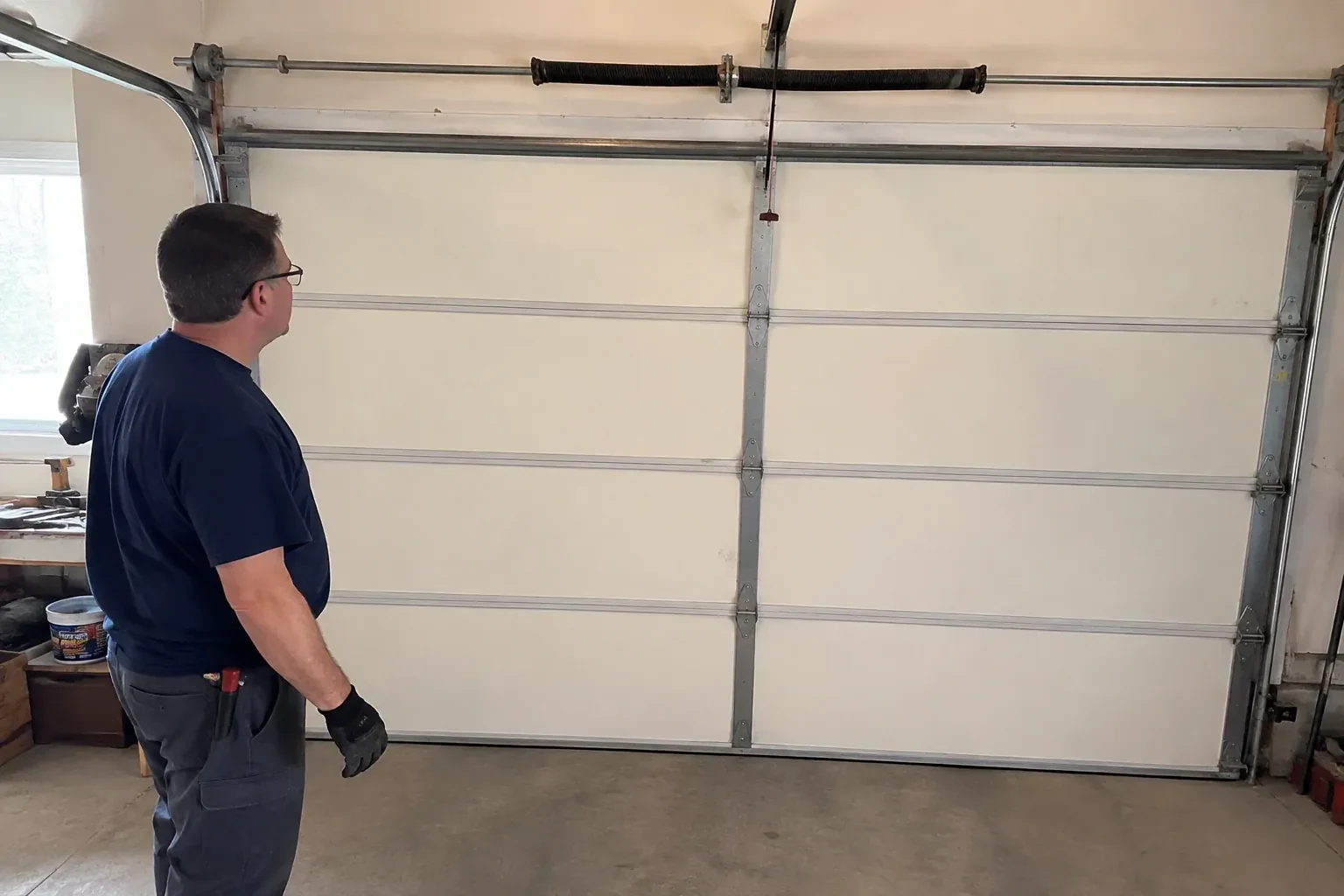
It is the first hard frost of the year and the door on the old detached garage has stopped halfway, squealing at one pulley. The springs are the ones that came with the door decades ago, orange with rust where they hang near the back wall.
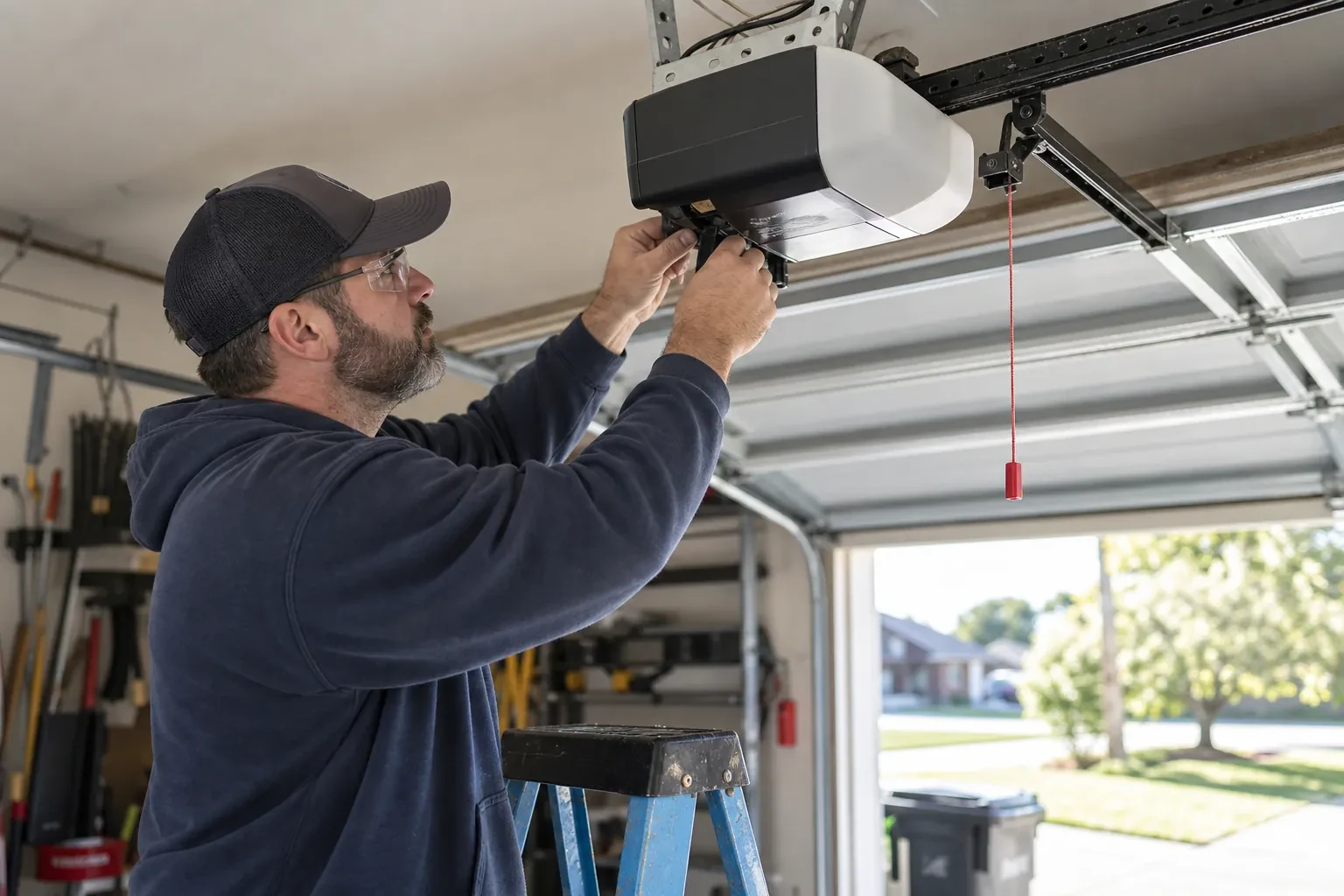
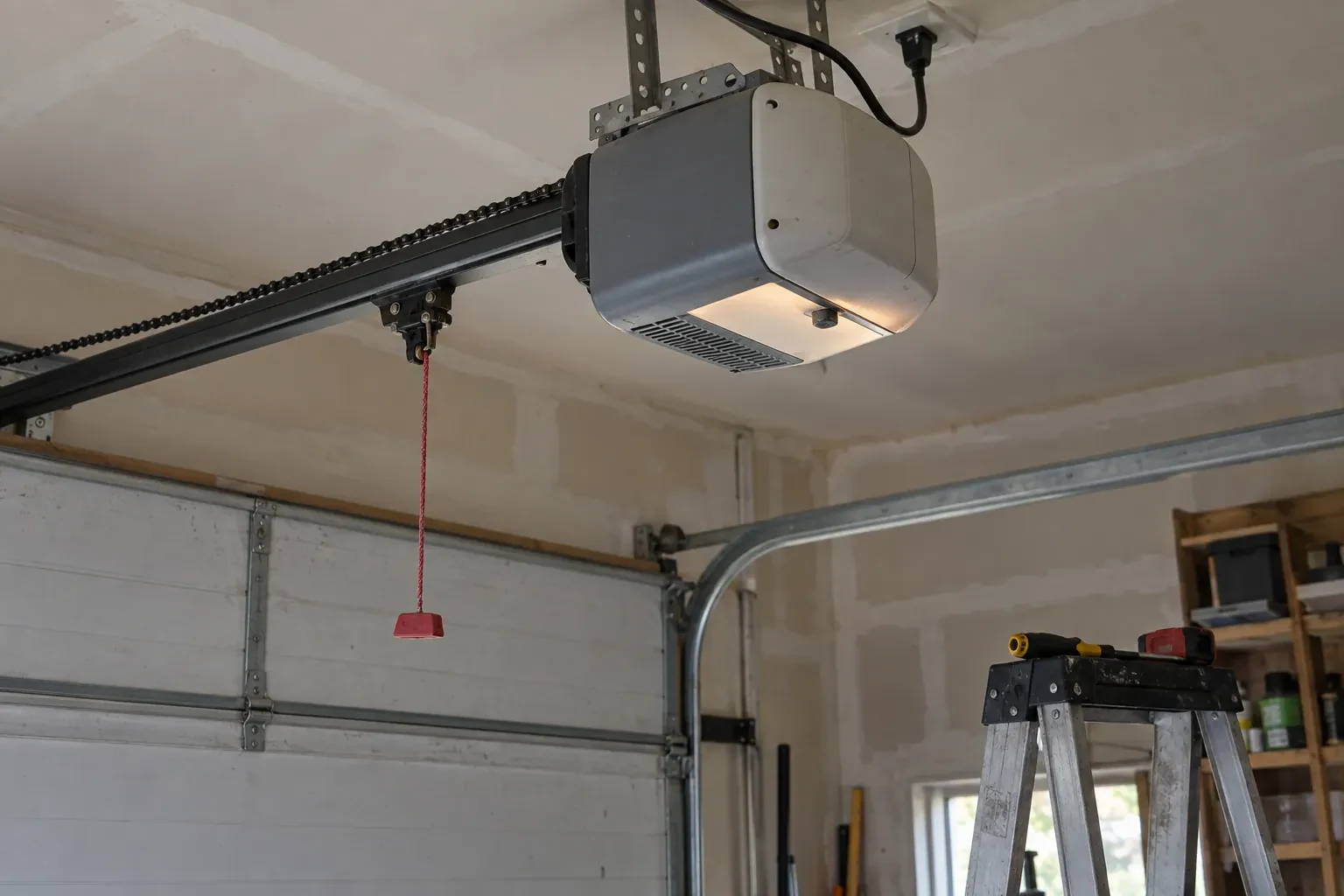
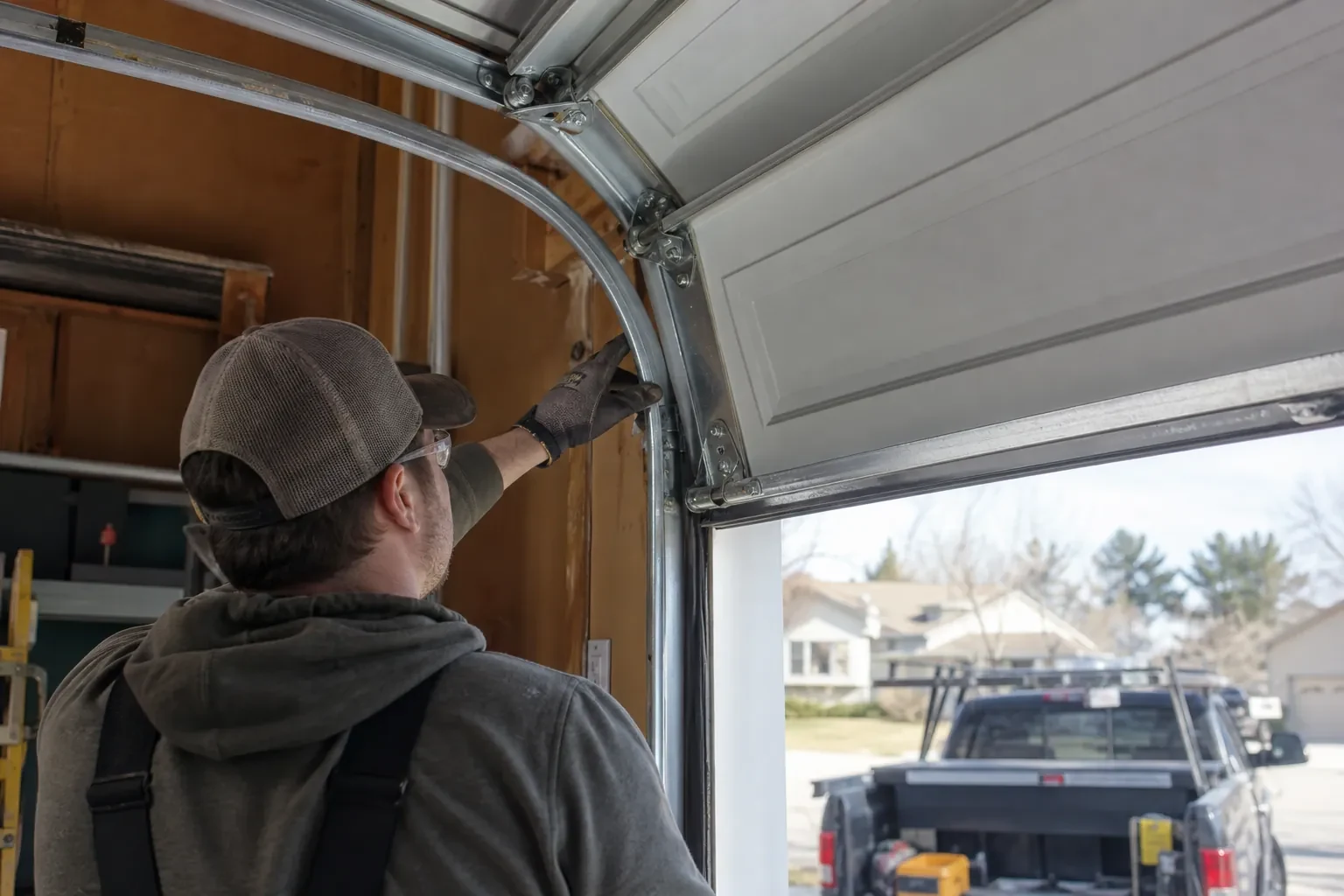
The rail shakes when the door runs. The steel straps holding it to the ceiling have worked loose, the chain rattles the length of the garage, and a bolt has already dropped onto the hood of the car.
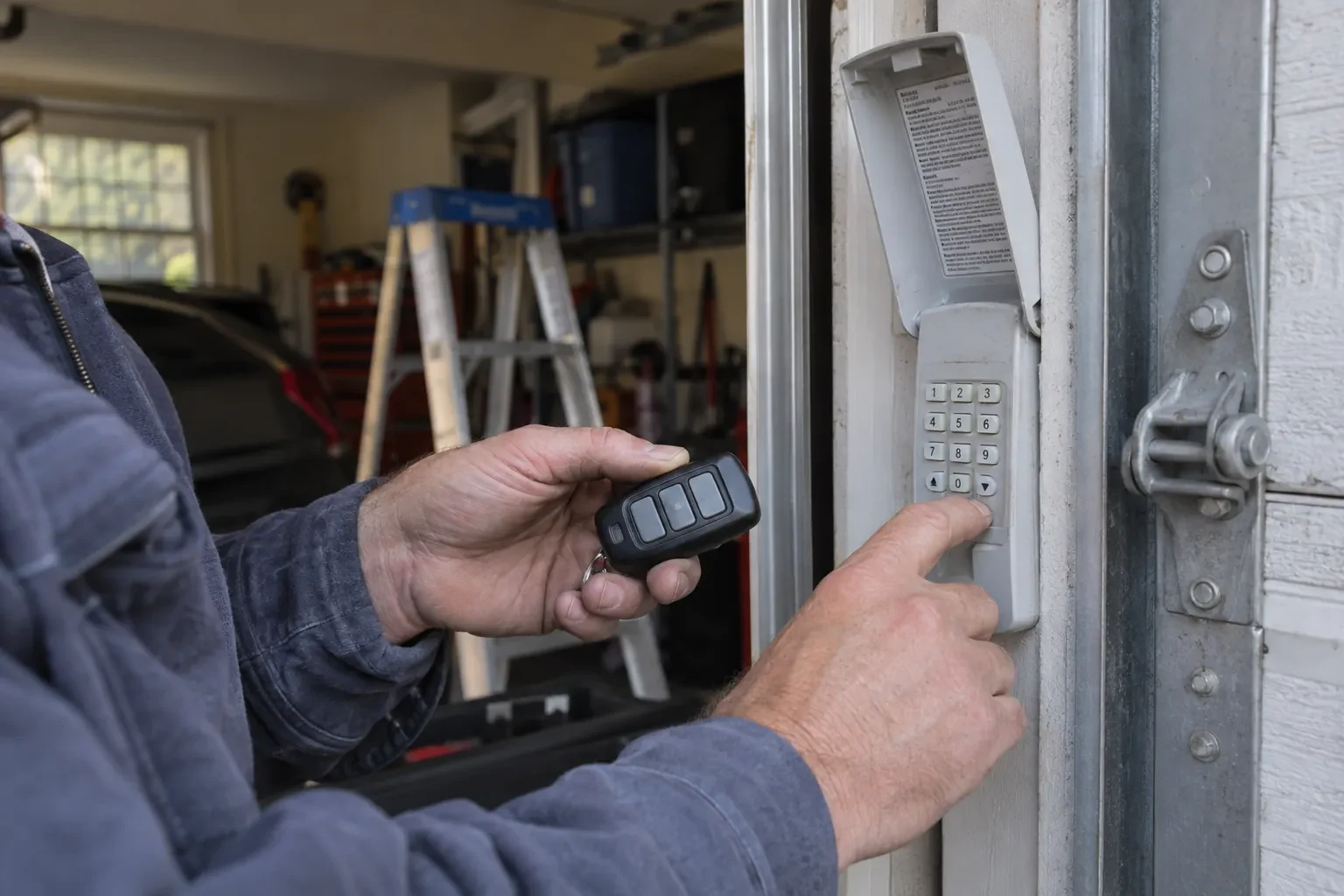
One remote lives in a car you sold last spring. The other needs three presses from the driveway and its battery cover is taped on. Your phone is already in your hand when you pull in, and it would make a better opener.
Halfway up, the door lets go of the opener with a clunk and sinks back to the floor while the trolley carries on to the top alone. It has happened three times this month, and each time the release lever is found half-cocked.
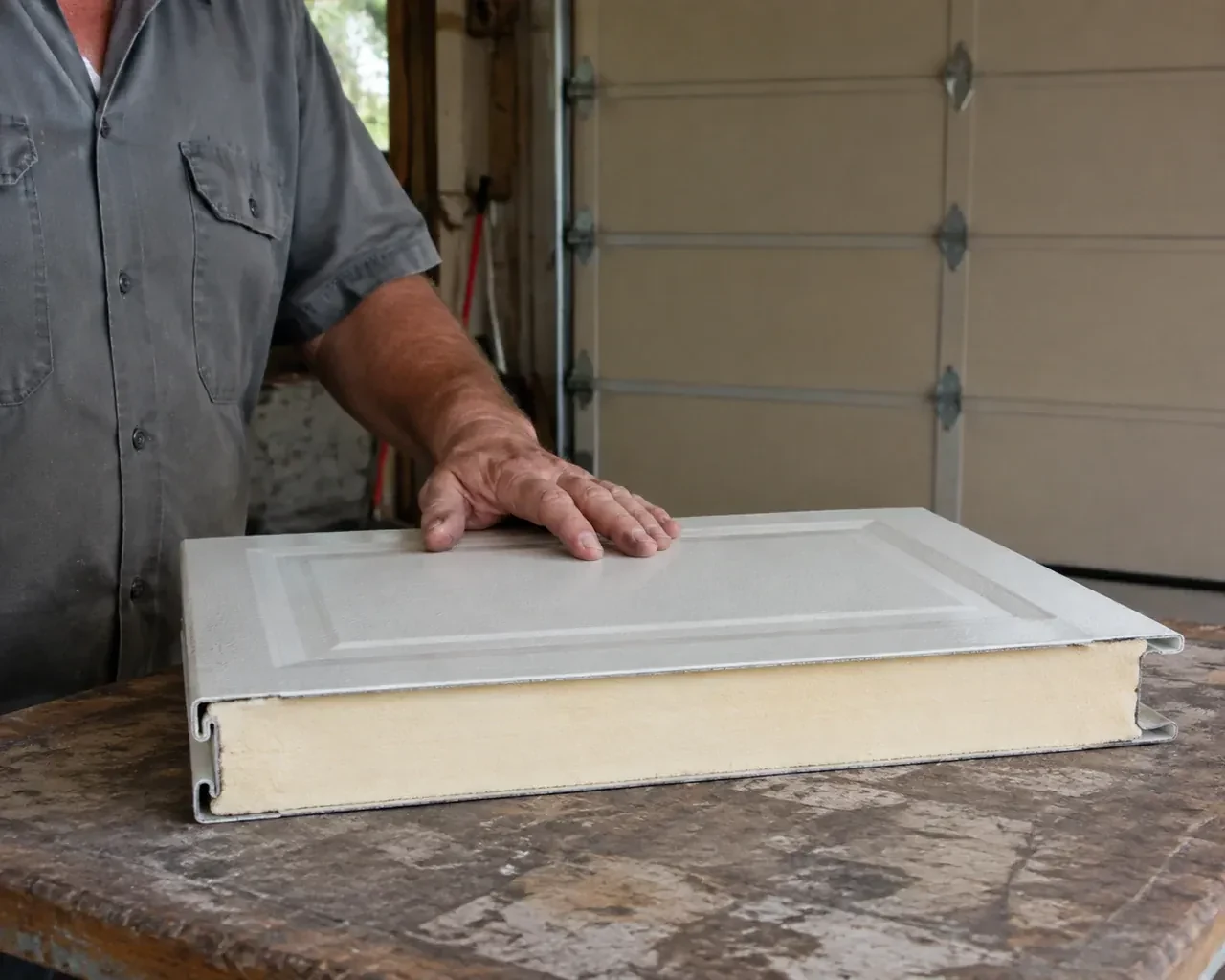
Several sections are rusting along their lower edges, and one has begun to bow. The door still travels, but its tired panels, widening gaps and uneven finish now make the whole entrance look overdue for renewal.
A recent wind event left one section slightly creased, a strut twisted, and several track fasteners loose. The door still moves, although the changed shape suggests that a complete system assessment is appropriate before regular use resumes.
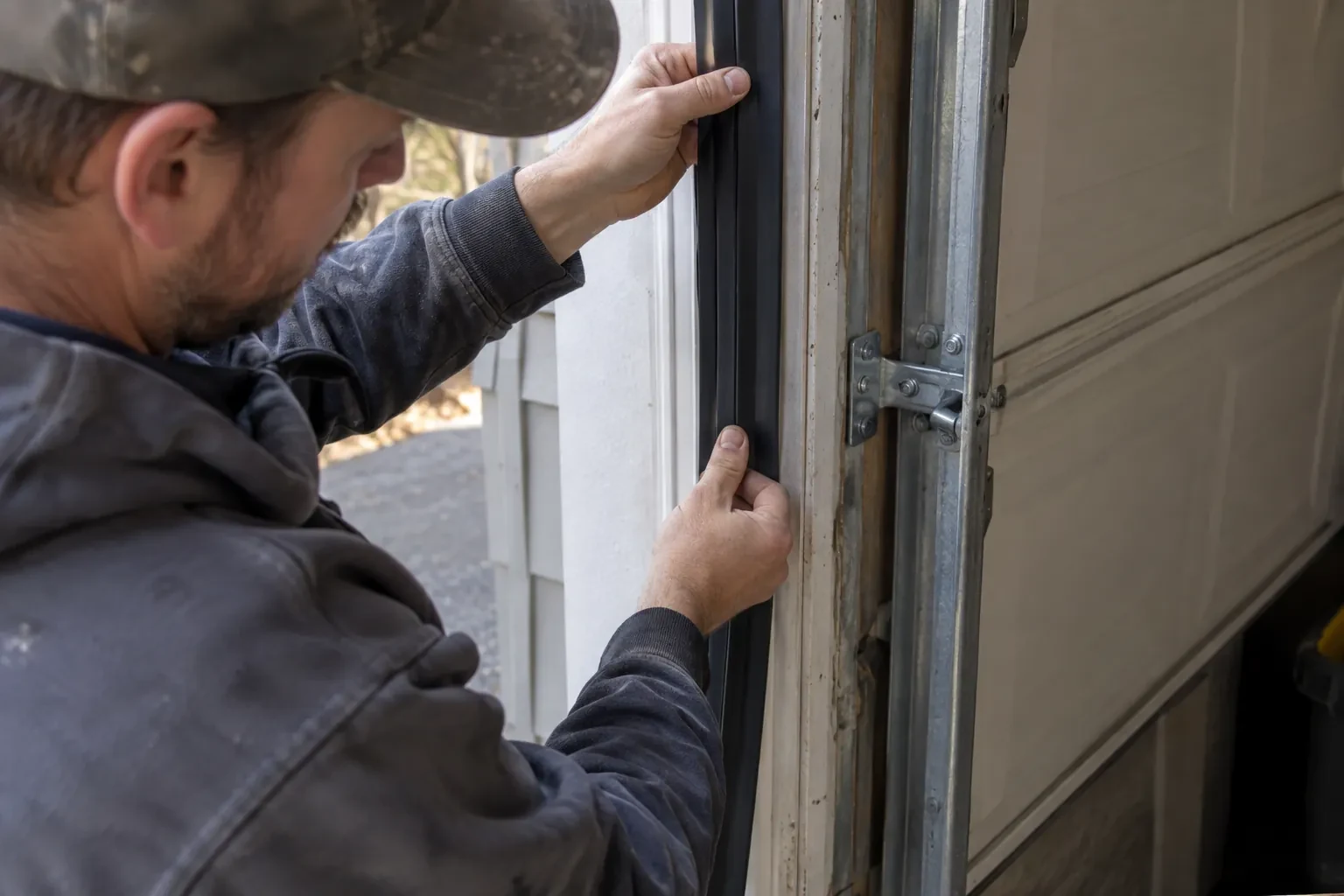
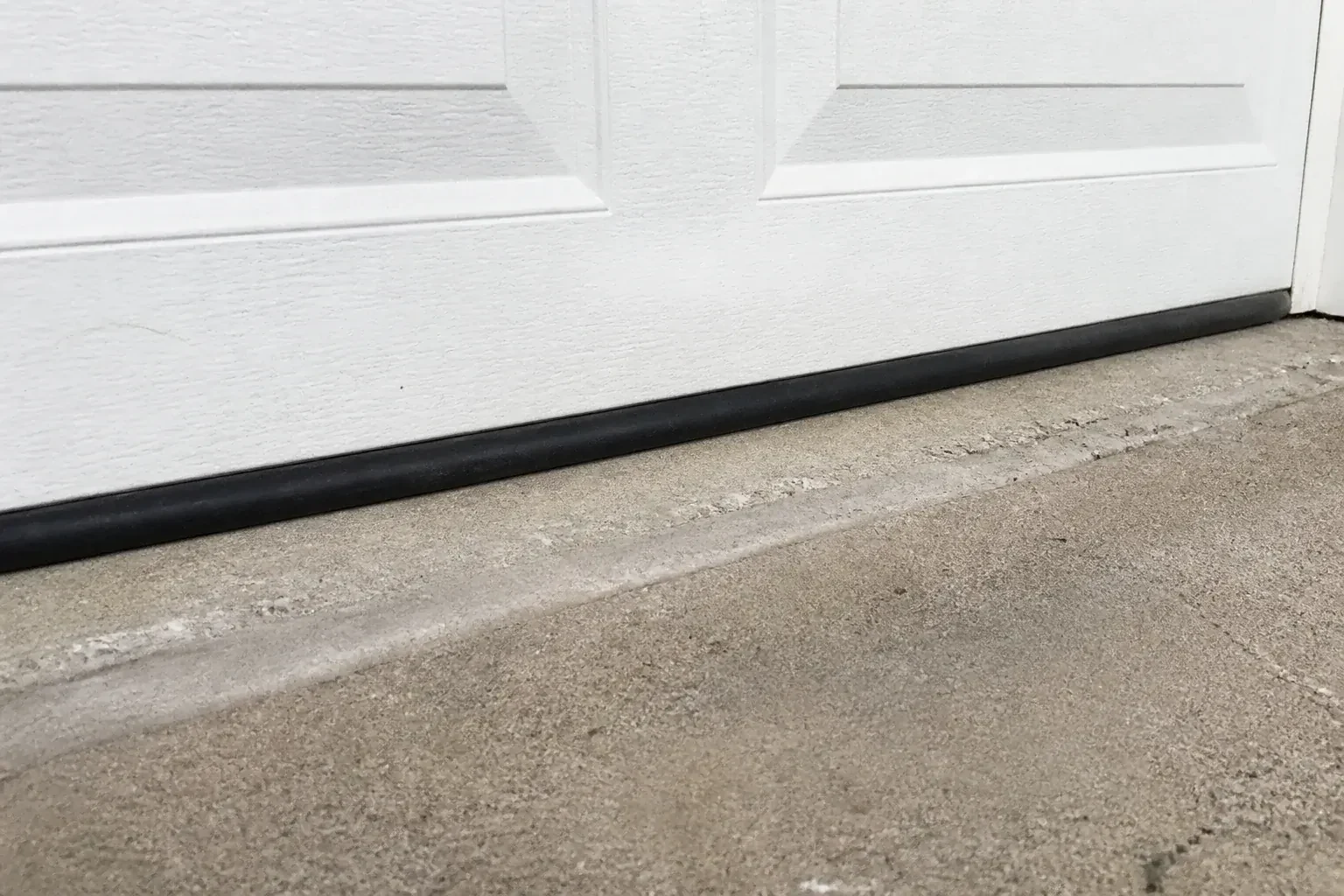
Cold weather has exposed a widening gap below the closed door. The bottom retainer is bent, the rubber seal is split, and uneven seating lets drafts and slush enter the work area.
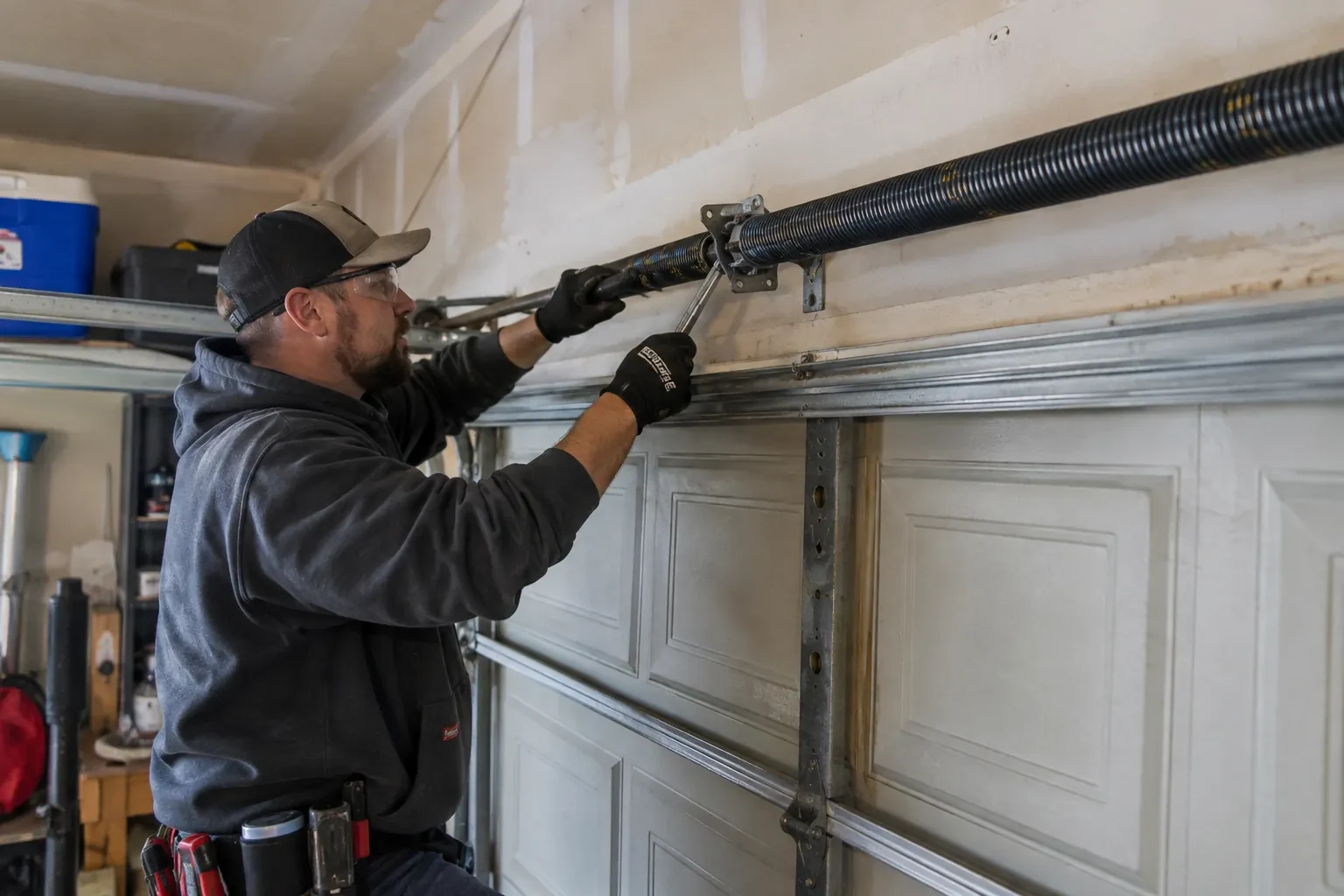
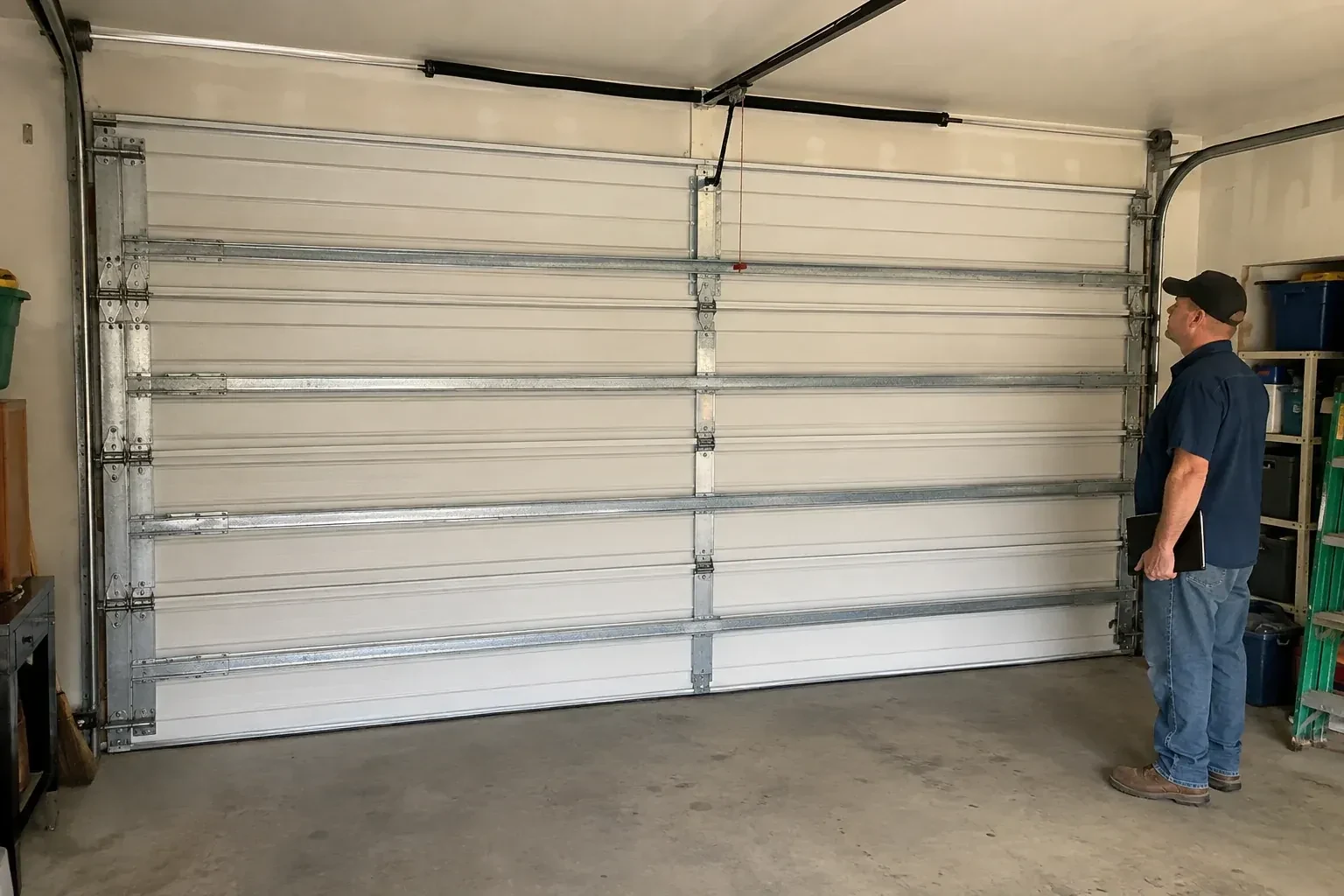
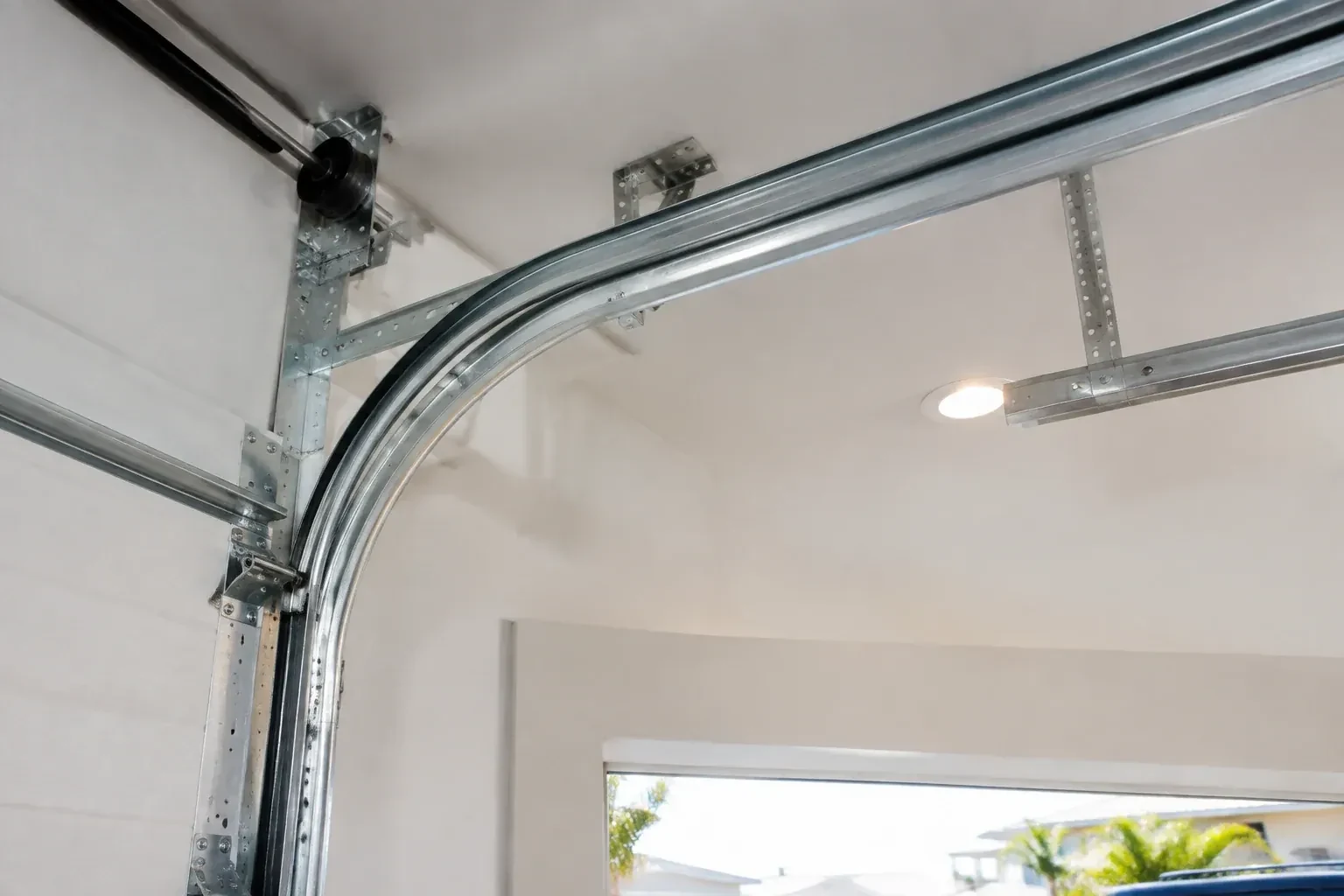
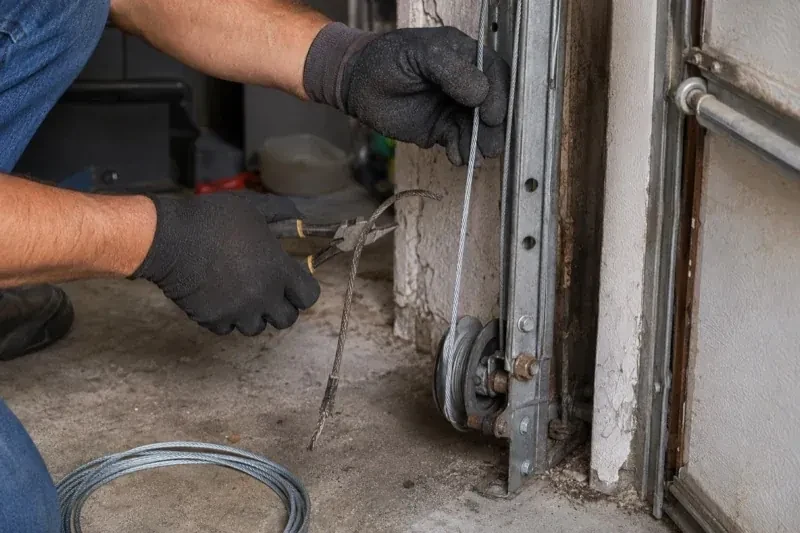
The lifting hardware takes the strain so the opener does not have to. We replace springs, cables and bearings before their wear passes down the line to more expensive parts.
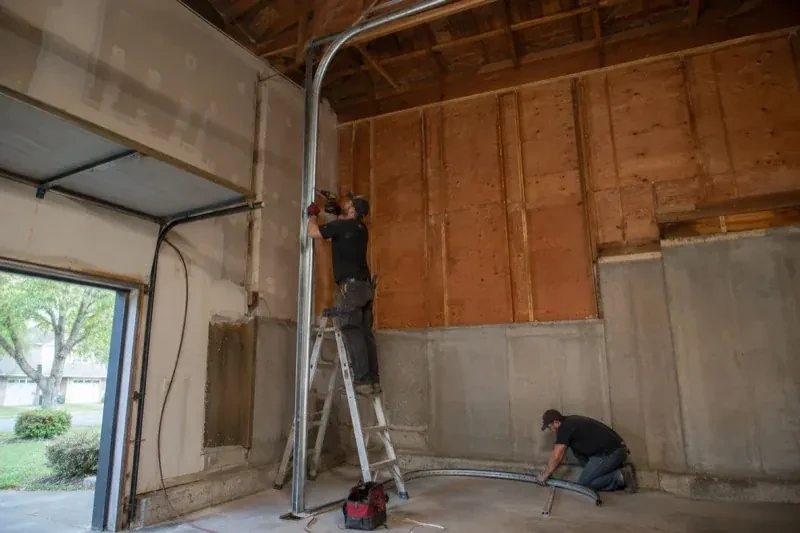
For builders and renovators, we fit doors into new openings and coordinate with the framing. For homeowners, we replace tired doors with ones chosen to suit the house and the climate.
WhyBy the end of the visit your phone shows the door's true state, updates within a few seconds of any movement, and keeps a history of every open and close with the time, and the user when the command came from a signed-in app or virtual key.
Halfway up, the door lets go of the opener with a clunk and sinks back to the floor while the trolley carries on to the top alone.
WhyThe operator standard for residential openers in this country asks for a manual release that is coloured red, easy to tell apart from the rest of the mechanism, and reachable from the floor, with the handle no more than about 1.8 metres up.
Several sections are rusting along their lower edges, and one has begun to bow.
WhyWhen permit drawings or a building designer specify wind criteria, the replacement is planned from those documents rather than from appearance alone.
Cold weather has exposed a widening gap below the closed door.
The sensor light is blinking. What does that mean?
On most openers a steady light on each photo-eye means the pair are aligned and seeing each other, and a blinking light means the beam is interrupted or the sensors are out of line. Common causes are a bracket nudged by a bin or a tire, dust or salt film on a lens, low sun at a certain hour, or a chafed wire. During a tune-up the lenses are cleaned, the brackets straightened, the pair realigned and the wiring checked back to the opener.
What kinds of manual locks are found on garage doors?
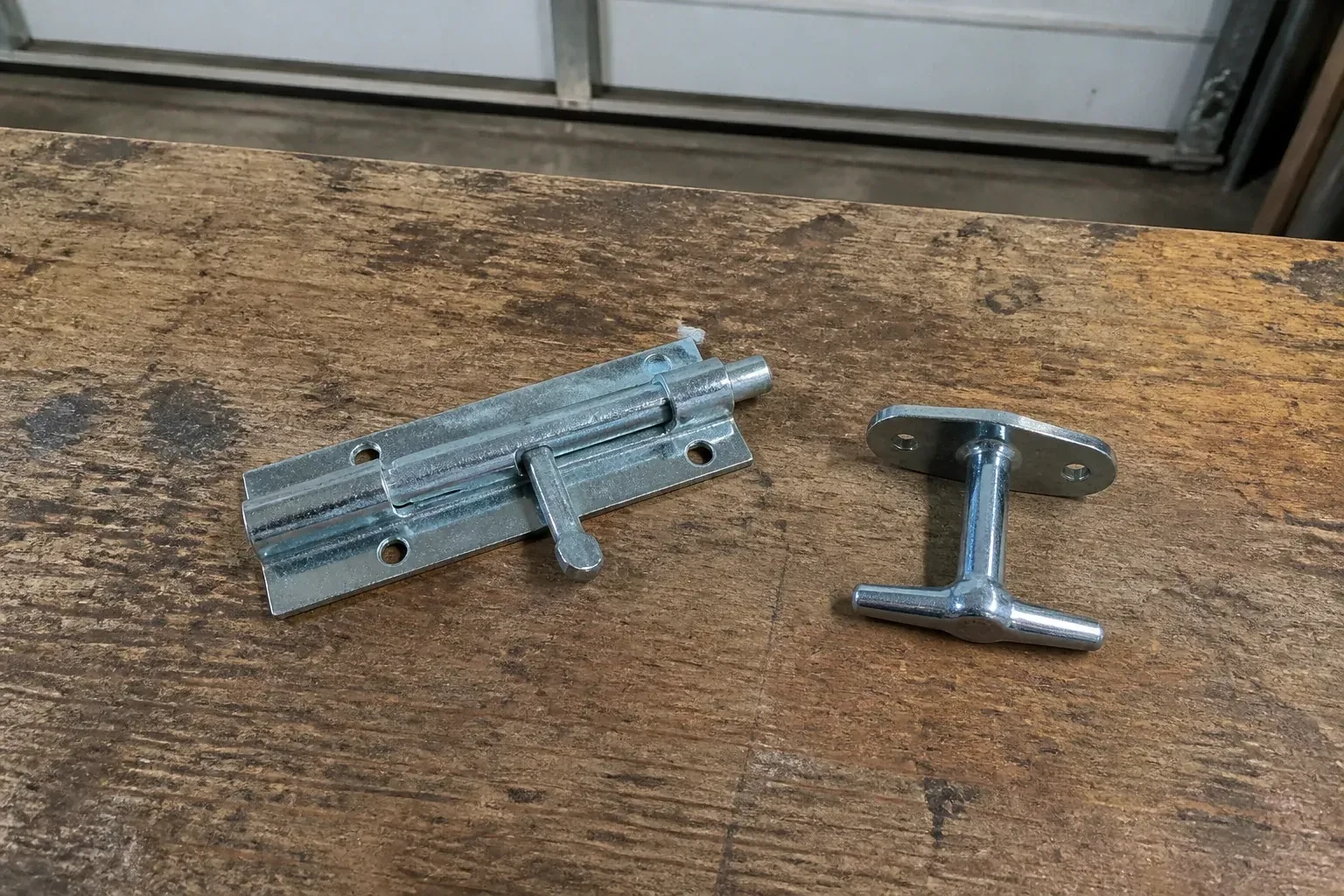
Two are common on sectional doors. An inside slide bolt sits on the door's edge and shoots sideways into a slot in the vertical track; some are spring-loaded snap latches that lock on their own when the door closes. An outside keyed T-handle turns a centre mechanism that throws a bar into each track, though some models pull a cable to release a spring latch instead. Some doors add a keyed cylinder on the side to work the slide bolt from outside.
Do the rollers get replaced with the hinges?
They are checked every time and replaced when they need it. The roller stem sits in a tube on the edge hinge, so when that hinge comes off the roller is already in hand, and fitting a new one adds a minute. A wheel that is cracked, flat-spotted or grinding on its bearing is the sort of thing that strained the hinge, so leaving it would ask the new hinge to carry the same load.
Only one spring broke. Why replace both?
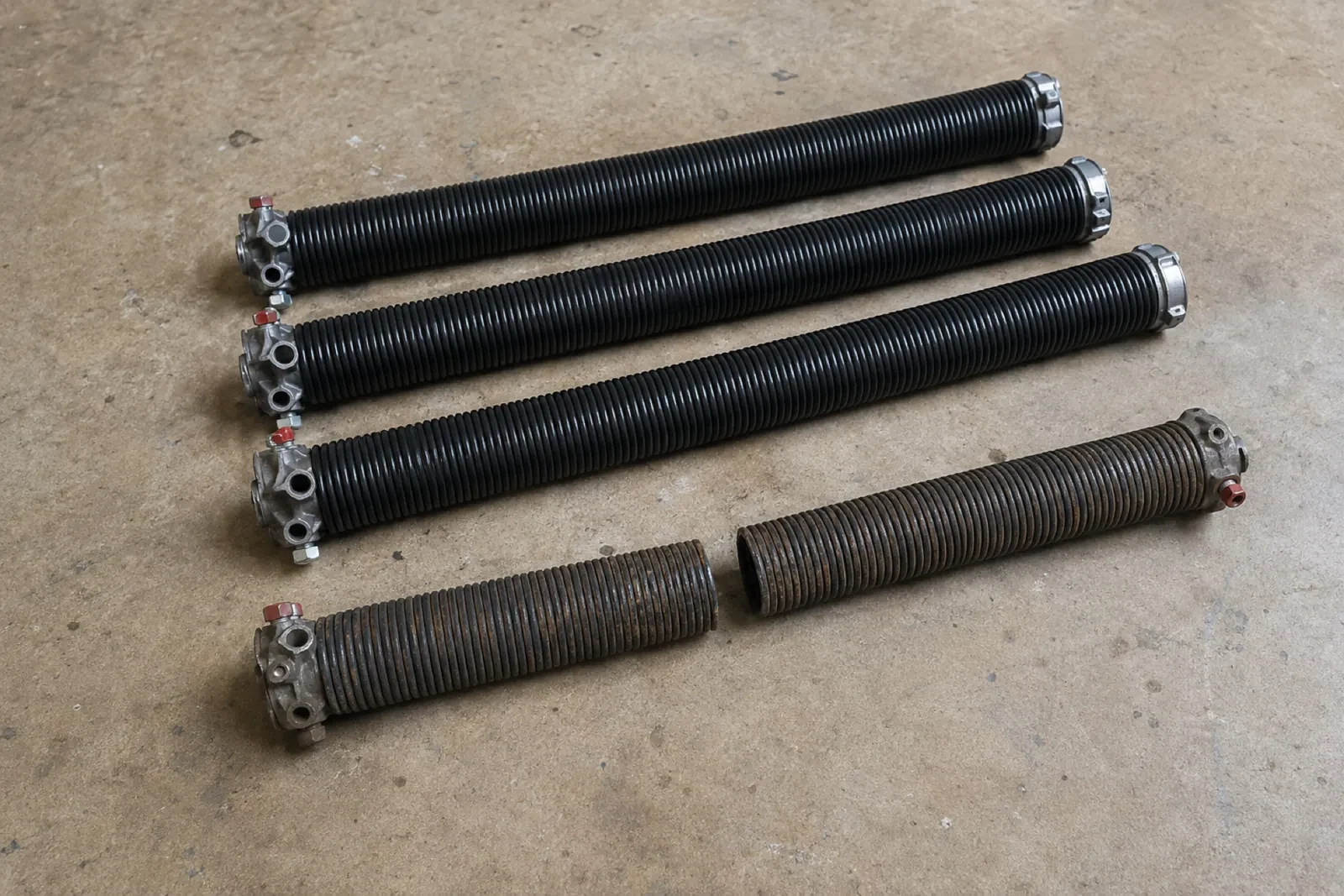
The two springs are the same age and have stretched the same number of times, so the one still hanging is close behind. There is also a balance reason: a door lifts level only when both sides pull equally, and a new spring beside a worn one lifts its corner first and twists the door. Fitting a matched pair sets both sides the same and avoids a second visit a few months on.
Why does the technician lift the door by hand before repairing the opener?
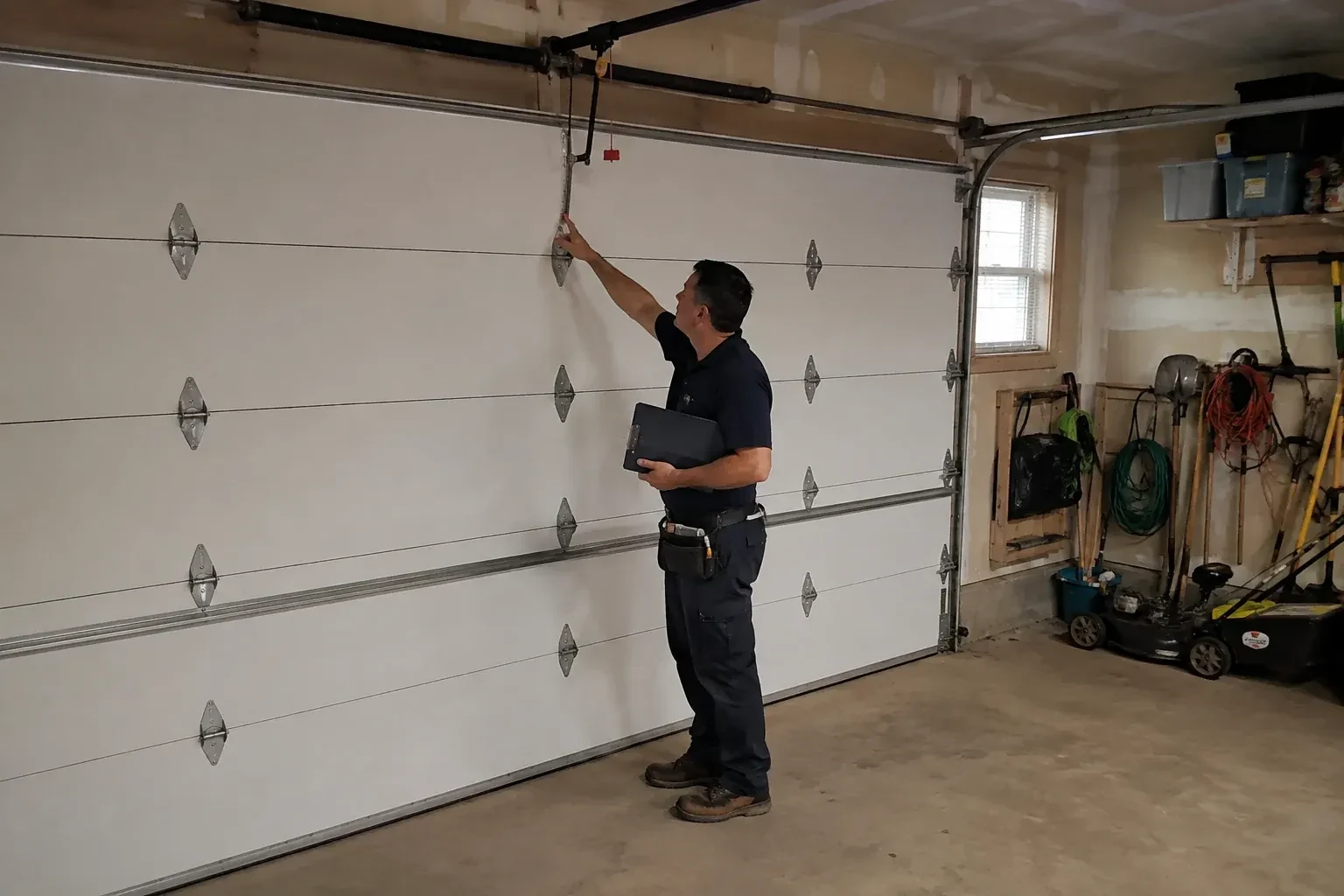
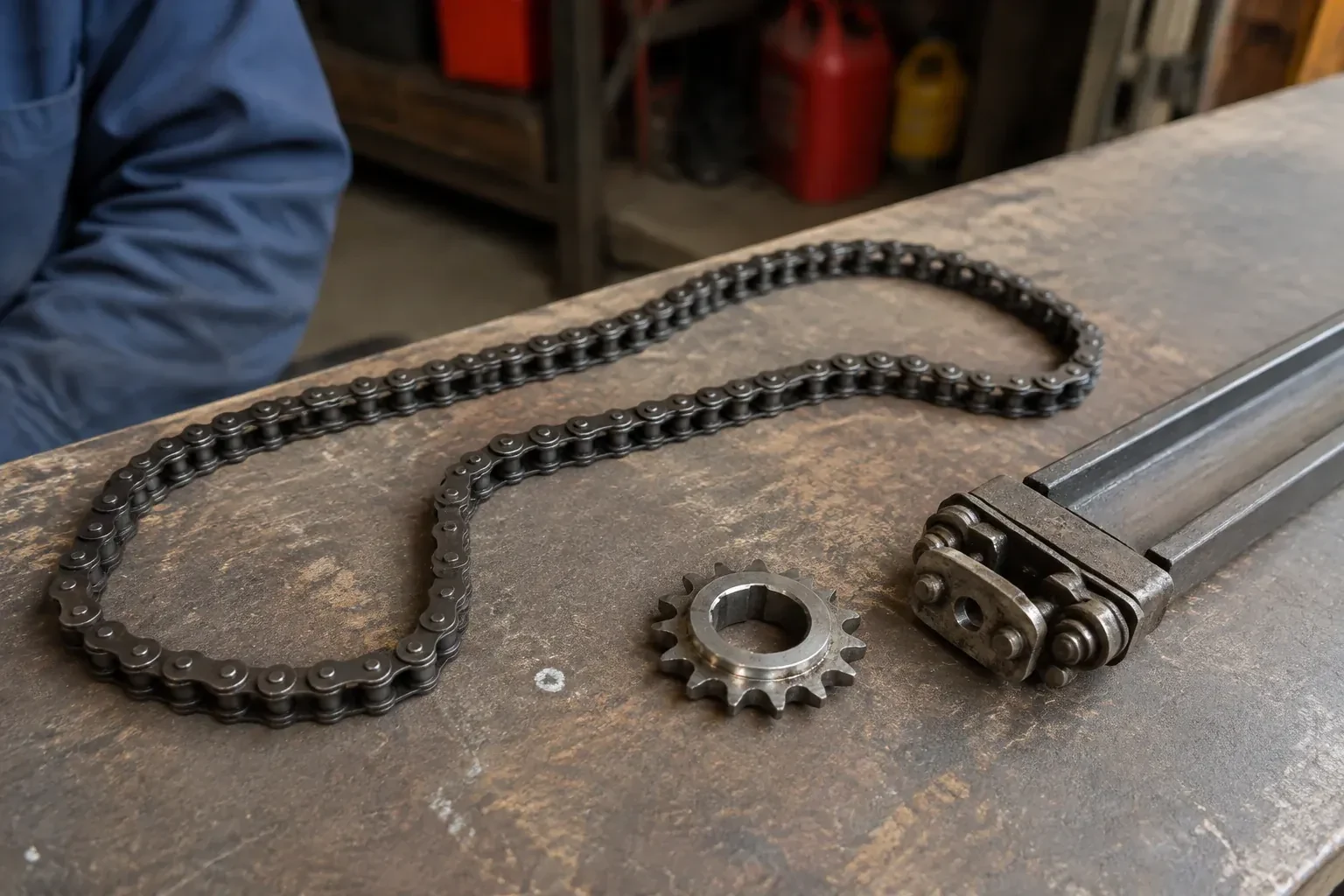
Because the chain only guides a door that the springs already carry. With the operator unplugged and the red handle pulled, a balanced door lifts with moderate effort and holds about a metre off the floor. If it is heavy or sinks, the springs have lost tension and the drive has been hauling weight it was never meant to, which is exactly how gears strip and chains stretch. Correcting the door first means the repaired drive lasts.
Do you need my Wi-Fi password?
No. The technician will ask you to type it into the app yourself at the right moment and will look away while you do. The same goes for the account password and any verification code. The technician needs to see that the hub has joined and that commands work, not the credentials that made it happen. If you do not know your network password, find it before the visit; it is often printed on the router.
The door is stuck shut, the opener is dead and there is no other door. Can you still get in?
Usually. If the door has an outside key release, a small round lock near the top panel, that is what it is for: the key pulls a cable that frees the trolley from outside so the door can be lifted by hand. If there is no such release, the technician has other methods to reach the lever from outside, and once inside the fault is dealt with. Fitting an outside release afterwards is a sensible follow-up for a garage with a single door.
What should I move before the installation visit?
Clear vehicles, bicycles and stored items from the door's path and from the areas beside the jambs. Make overhead track and spring locations accessible, and identify anything delicate nearby. The technician can explain the required working area during measurement, especially where shelving, ceiling storage or a shared driveway affects access.
What should I watch for during strong winds?
During strong or severe winds, shelter in a basement or small interior room away from windows, doors and exterior walls, rather than watching the door while it blows. Once conditions have passed, look over the opening: note unusual bowing, new creases, displaced rollers, loose attachments, perimeter gaps, or movement at brackets and jambs, and let these details guide a later assessment.
Can several doors be assessed during one facility visit?
Yes. Numbering each opening and providing a short symptom list keeps the assessment organized. The technician can define the requested repair for the affected door and record visible conditions on comparable doors separately. Shared model data and installation history may help with parts planning, while each opening still receives its own mechanical and control checks before any work is scoped.
Request a visit
When a garage door in Kennedy Park has stopped, the household is usually stuck too, so we organise the day around getting the door moving safely. The technician clears the fault, checks the rest of the door so the next part does not follow, and explains what he did before he drives away.